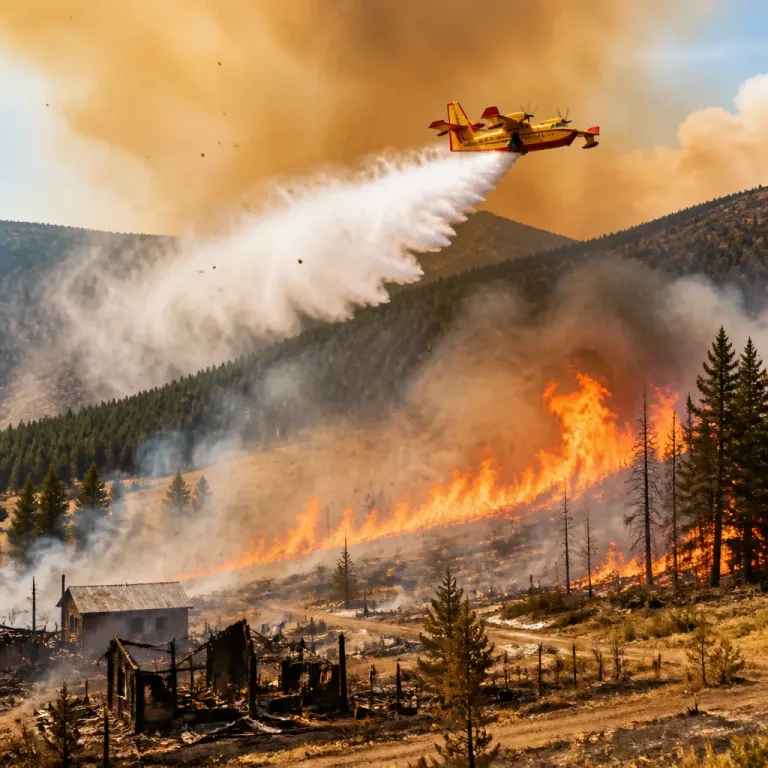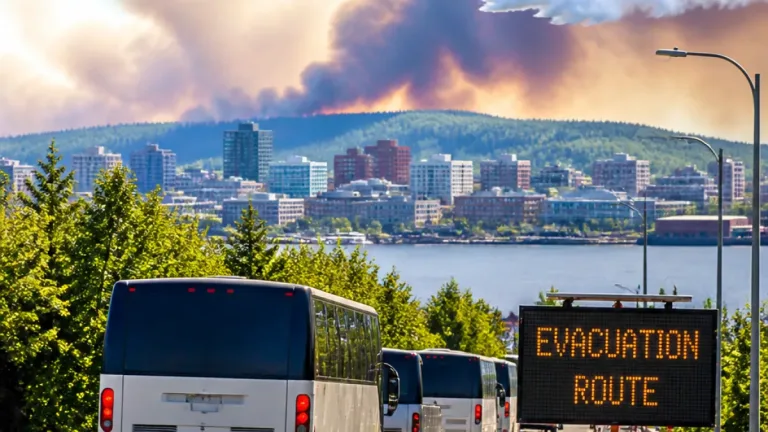
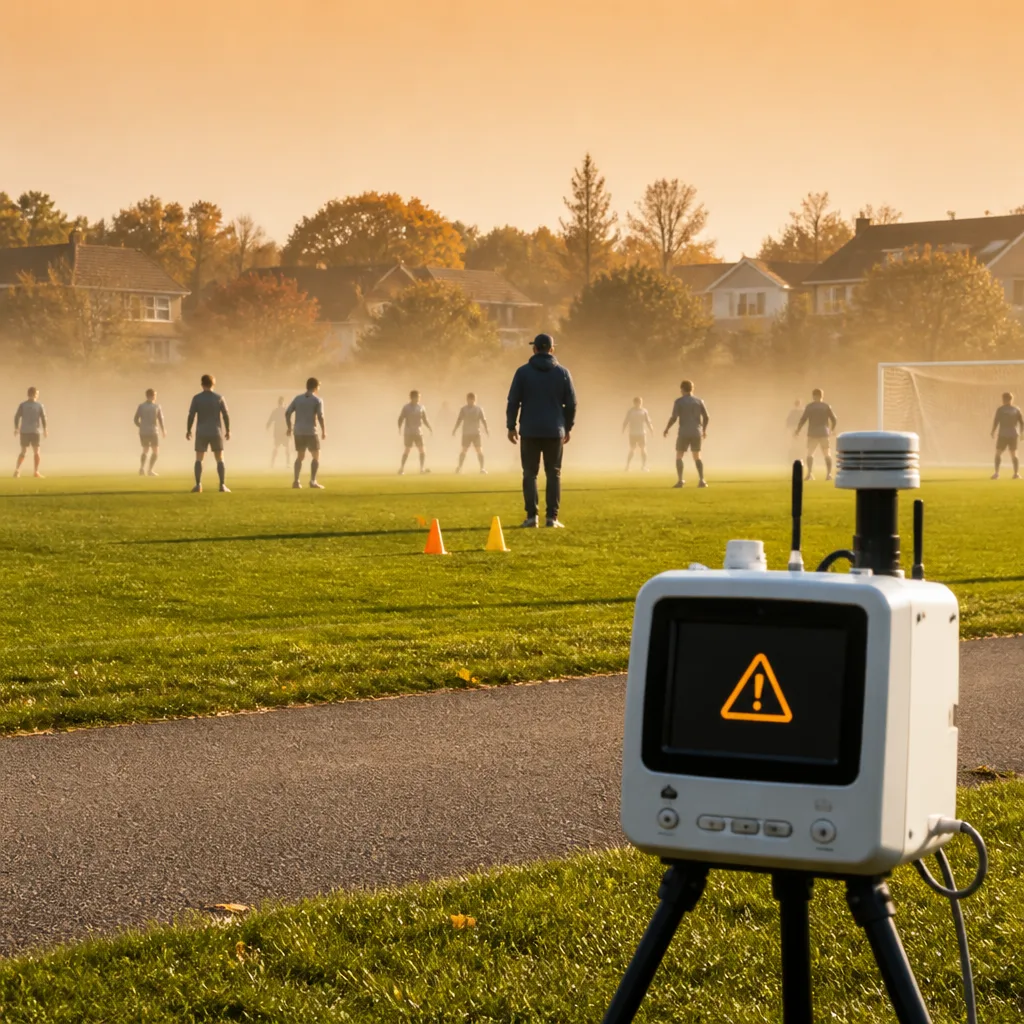
Thick smoke from wildfires in Canada spread across the northeastern United States on July 16, 2026, reducing air quality and reaching venues tied to major international events. The haze was visible over wide areas and coincided with an outdoor training session by the Spanish national team for the 2026 World Cup.
Smoke impacts outdoor sport and public health considerations
The smoke moved into populated parts of the northeastern U.S., prompting concern for athletes, event organisers and the public. The Spanish squad conducted an outdoor practice session while the haze persisted; requests for comment about that decision were not answered by either FIFA or the Spanish Football Association.
Key facts:
- Source: wildfire smoke originating in Canada.
- Area affected: portions of the northeastern United States.
- Event impacted: Spain's outdoor World Cup training session on July 16, 2026.
Health precautions and operational consequences
Smoke from large wildfires can carry fine particulate matter (PM2.5) that reduces air quality and can aggravate respiratory and cardiovascular conditions. Where smoke concentrations are elevated, public-health guidance typically advises limiting time spent outdoors, avoiding vigorous physical exertion outside, and following local air-quality advisories. Organizers of outdoor events may need to reassess plans if air quality deteriorates.
At the time of the report, neither FIFA nor the Spanish Football Association had responded to enquiries about their decision to hold the practice outdoors amid the smoky conditions. The lack of an official comment leaves questions about monitoring and mitigation measures taken for player safety.
| Incident | Detail |
|---|---|
| Wildfire source | Fires in Canada producing regional smoke |
| Effect | Smoke blanketing parts of the northeastern United States; affected a Spain training session |
Local authorities and health agencies typically issue air-quality statements and recommendations during wildfire smoke episodes. When planning or attending outdoor events under smoky skies, consider the following:
- Monitor official air-quality indices and local advisories.
- Limit strenuous outdoor activity when visible haze or poor air-quality readings occur.
- People with lung disease, heart disease, older adults and young children should take extra precautions and stay indoors when possible.
- Event organisers should have contingency plans for relocating, postponing or modifying outdoor activities based on air-quality thresholds.
As the situation evolves, national and local weather services will continue to track smoke transport. Organizers and the public should follow updates from health and meteorological authorities for guidance tailored to specific locations and vulnerability levels.