Argentinian players’ banner at the World Cup has reopened a familiar debate about the sovereignty of the Falkland Islands, though the islands remain a British overseas territory governed from London.
From Portsmouth to Stanley: the wartime and civic links
For many in southern England the islands are tied to the naval deployments that left from ports such as Portsmouth and Southampton in 1982. The British task force that sailed to retake the islands after Argentina’s invasion departed in April of that year; ships including flagship HMS Hermes and HMS Invincible later returned to cheering crowds. Ocean liners requisitioned by the government, notably the SS Canberra and Queen Elizabeth 2, also sailed from Southampton.
Human cost and commemoration
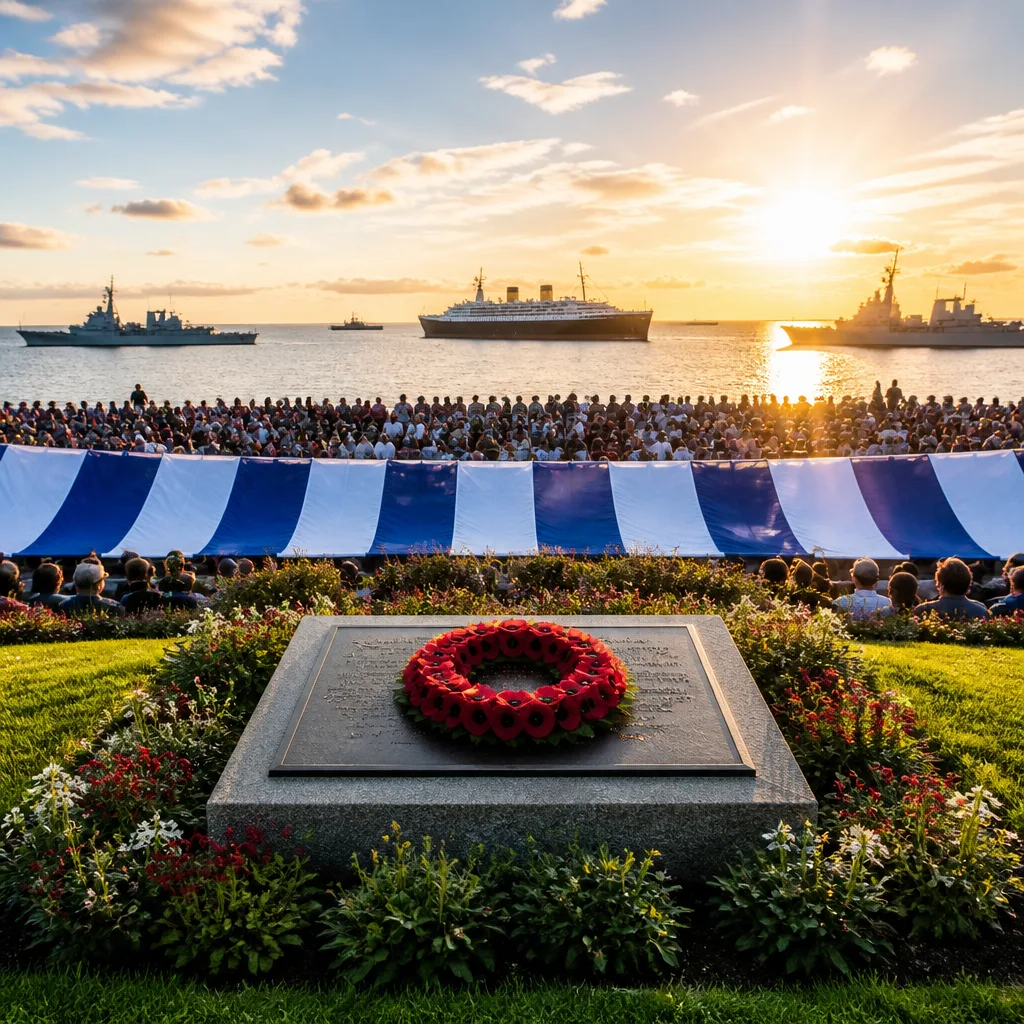
The brief but intense conflict claimed lives on both sides: 255 British servicemen and 655 Argentine personnel were killed, along with three Falkland Islanders. Memorials and commemorations followed, including the Falkland Islands Memorial Chapel at Pangbourne College in Berkshire, opened by Queen Elizabeth II in 2000.
| Item | Figure |
|---|---|
| British servicemen killed | 255 |
| Argentine servicemen killed | 655 |
| Falkland Islanders killed | 3 |
| Current island population (approx.) | 3,600 |
The islands today
Forty-four years after the conflict, the archipelago’s population is small — about 3,600 residents — and cosmopolitan, drawn from some 70 nationalities. The capital remains Stanley, where community institutions such as Falklands Radio continue to serve local life and link islanders to the wider world.
“There is that political history but it's more about the game,”
The remark, made by a Stanley resident to BBC Radio Solent ahead of a recent match, highlights how sport can thrust long-standing political issues back into international headlines even when everyday life on the islands remains focused on local concerns.
What the renewed attention means
Public displays of sovereignty claims at international sporting events can carry diplomatic implications: FIFA has rules restricting political messages, and such gestures often provoke official responses. For islanders and those who served in 1982, renewed focus can reopen memories of loss and sacrifice; for governments it prompts careful diplomatic navigation.
- Historical ties: key British naval departures from Portsmouth and Southampton in 1982.
- Human toll: 255 British and 655 Argentine servicemen killed.
- Present day: roughly 3,600 residents live on the islands, capital Stanley remains the administrative centre.
As international attention turns to the South Atlantic once more, the Falklands remain a place where history, national sentiment and small‑community life intersect — and where a moment on a football pitch can reignite conversations that have lasted for decades.