
Wildfire smoke contains fine particulate matter that can travel long distances and pose health risks well beyond the immediate fire zone, a researcher who studies human exposure to air pollution says, prompting calls for better preparedness and indoor air protections.
What the smoke carries and why it matters
Jennifer Richmond-Bryant, an associate professor of forestry and environmental resources at North Carolina State University, says wildfire emissions include PM2.5—tiny airborne particles capable of remaining suspended and moving, in some cases, thousands of miles. These particles are small enough to reach deep into the lungs and, in some instances, enter the bloodstream.
"Exposure to fine particulate matter in smoke is known to cause cardiovascular disease," Richmond-Bryant said, citing evidence compiled by the U.S. Environmental Protection Agency.
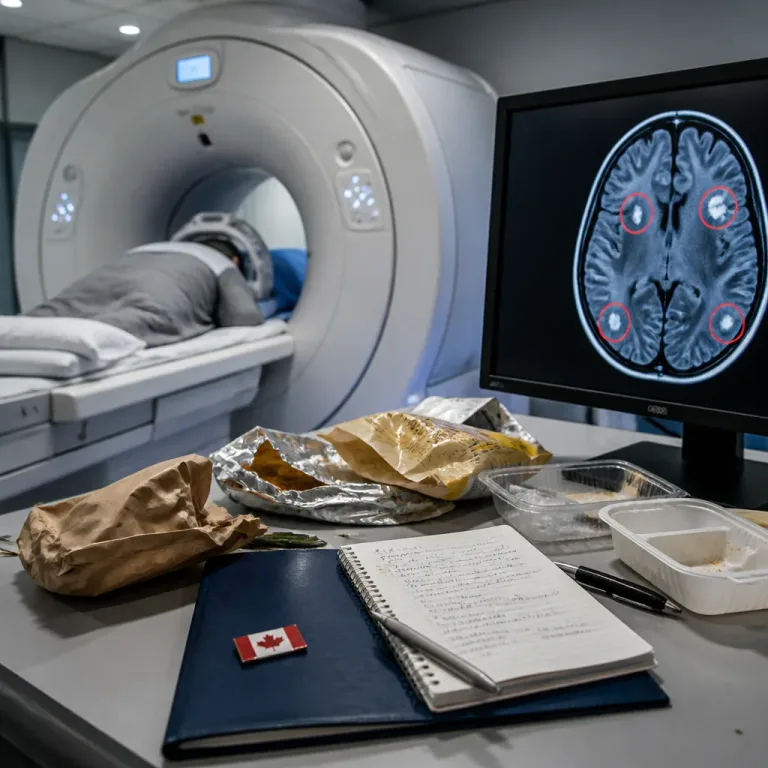
She noted that research from toxicology, epidemiology and controlled human-exposure studies links short-term PM2.5 exposure to increased non-accidental mortality and associations with respiratory, neurological and cancer outcomes.
Who is most at risk
While smoke can affect anyone, certain groups face higher risks. Richmond-Bryant highlights the greater vulnerability of children, older adults and people with pre-existing medical conditions. Public-health efforts that focus on these populations are therefore essential.
- Children: developing lungs increase susceptibility to smoke particles.
- Older adults: pre-existing cardiovascular or respiratory disease raises risk.
- People with chronic conditions: asthma, COPD and heart disease can be worsened by smoke exposure.
| Exposure effect | Health outcome |
|---|---|
| Short-term PM2.5 peaks | Increased non-accidental mortality; heart and lung strain |
| Repeated or prolonged exposure | Worsening respiratory disease; potential neurological impacts |
Reducing exposure and preparing communities
Richmond-Bryant recommends measures that include monitoring local air quality, improving indoor filtration and community planning for rising wildfire risk. She emphasises that reducing exposure is a combination of individual actions and systemic preparedness.
Practical steps already advised by public-health authorities include staying informed of air-quality advisories, using certified air filters where feasible, limiting outdoor activity during heavy smoke, and ensuring vulnerable individuals have access to clean indoor air spaces.
As wildfires become more frequent and intense in some regions, the public-health implications from transported smoke are expected to increase, reinforcing the need for cross-jurisdictional planning and clear public guidance on protective measures.
This report summarises expert commentary from an interview with Richmond-Bryant, whose work centres on measuring and addressing human exposure to air pollution and environmental health disparities.