Heat alert issued for Peel, including Mississauga
A Yellow Heat Warning is in place for Mississauga and the wider Peel Region, based on data from Environment and Climate Change Canada and the Region of Peel’s Medical Officer of Health. The advisory signals hot, humid weather expected to persist through much of the week and cautions that sustained heat can have health impacts, particularly for older adults, young children and people with existing medical conditions.
City officials are urging residents to plan ahead, stay hydrated and make use of public facilities to cool down. The reminder comes as heat can strain daily activities and increase pressure on emergency services if people do not take precautions.
What a Yellow Heat Warning means
Under Peel’s framework aligned with Environment and Climate Change Canada’s alerting, a yellow designation indicates conditions likely to cause moderate and short-term impacts on health or routine activities. The colour system escalates by risk level. Residents are advised to stay alert to changing conditions and to take simple steps that reduce exposure.
| Alert colour | Risk level |
|---|---|
| Yellow | Moderate, localized or short-term impacts possible |
| Orange | Higher risk than yellow; greater likelihood of impacts |
| Red | Highest risk; widespread and significant impacts possible |
City’s advice to reduce risk
The city emphasizes practical steps to lessen heat stress and protect vulnerable neighbours. During the warmest stretch of the day, limiting exertion and seeking shade can help prevent illness. Residents are also encouraged to check on people who may be at higher risk and to use community spaces designed for cooling.
- Plan activities outside the peak heat window of 10 a.m. to 4 p.m.
- Hydrate regularly, even if you do not feel thirsty.
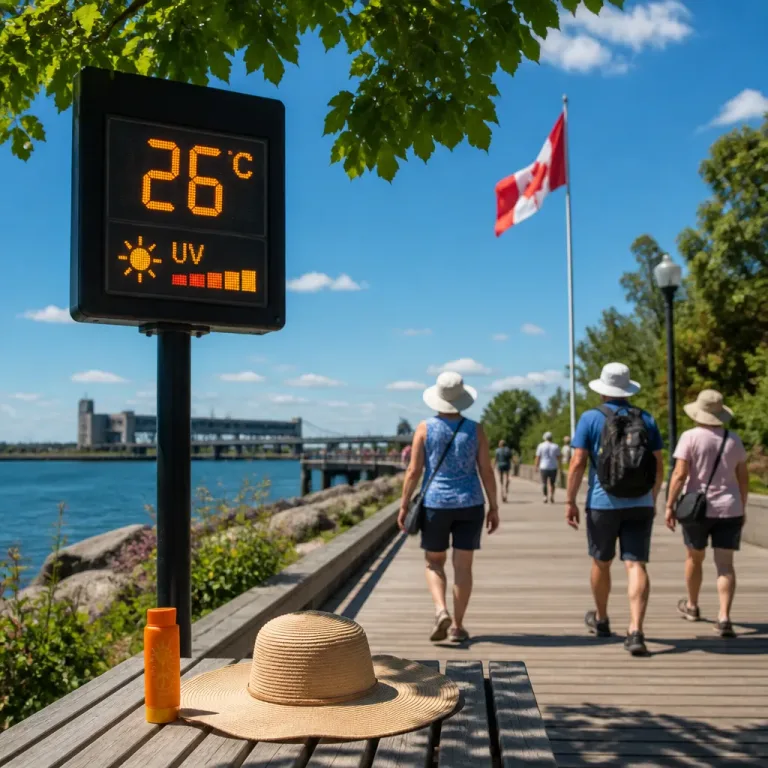
- Dress for heat with light-coloured, loose clothing; use sunscreen, a hat and sunglasses.
- Take breaks in air-conditioned or shaded areas when outdoors.
- Watch for symptoms of heat-related illness and act quickly if they appear.
City messaging underscores how swiftly heat can overwhelm the body, particularly when humidity is high. As the notice puts it,
“Heat can affect your health quickly.”
Where to cool down in Mississauga
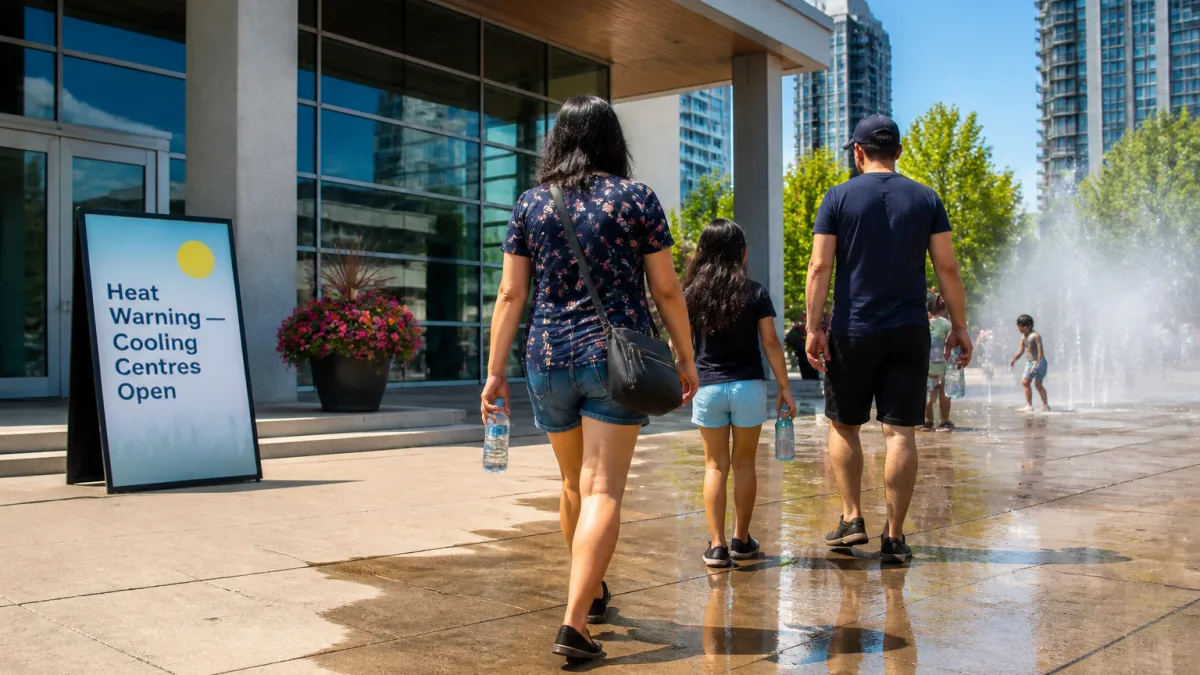
To help residents manage the heat, the city points to a network of public, climate-controlled or water-based amenities that can provide relief. Options include:
- Indoor swimming pools
- Air-conditioned libraries
- Spray pads
- Community centres
These facilities offer accessible places to lower body temperature, especially for those without reliable air conditioning at home.
Who is most at risk
Health officials note that certain groups face greater risk when temperatures and humidity remain elevated. That includes older adults, young children and individuals with pre-existing health conditions. For these residents, even short periods outdoors or minor exertion can lead to dehydration, heat exhaustion or other heat-related problems.
The city asks residents to check in on family, friends and neighbours who may need assistance. Small actions—such as offering water, helping arrange transportation to a cooling location or reminding someone to rest during peak heat—can reduce the chance of illness and help keep emergency resources available for those who need them most.
Staying prepared as conditions evolve
Environment and Climate Change Canada’s colour-coded alerts progress from yellow to orange to red as the potential risk increases. Residents are encouraged to monitor updates and adjust plans accordingly. With hot, humid air forecast to linger, consistent hydration, rest breaks and access to cool environments remain the city’s central recommendations.
The city reiterates that taking basic precautions—scheduling strenuous tasks for cooler hours, avoiding direct sun where possible and using public spaces to cool down—can make a meaningful difference in health outcomes during this period of intense heat.