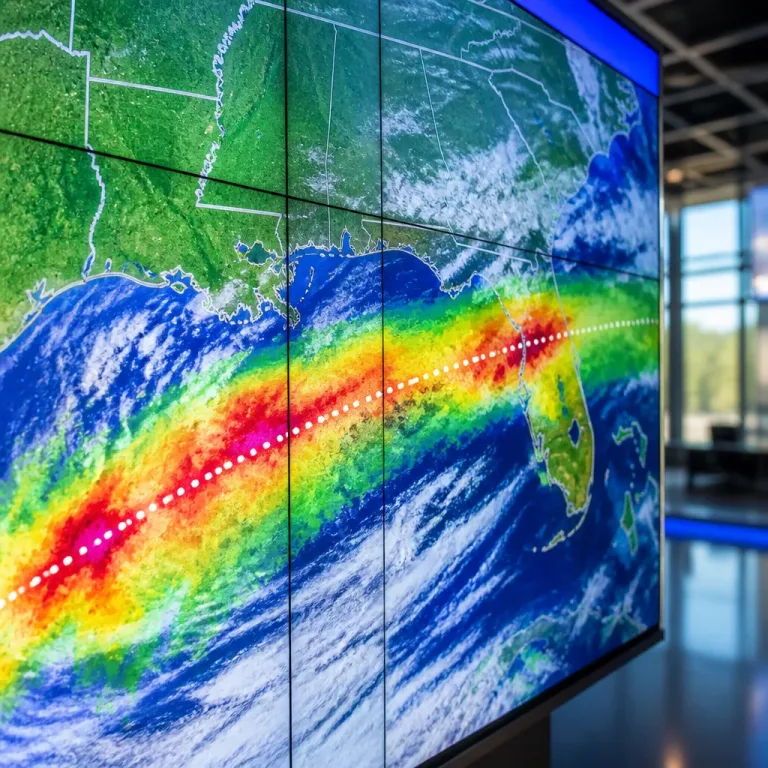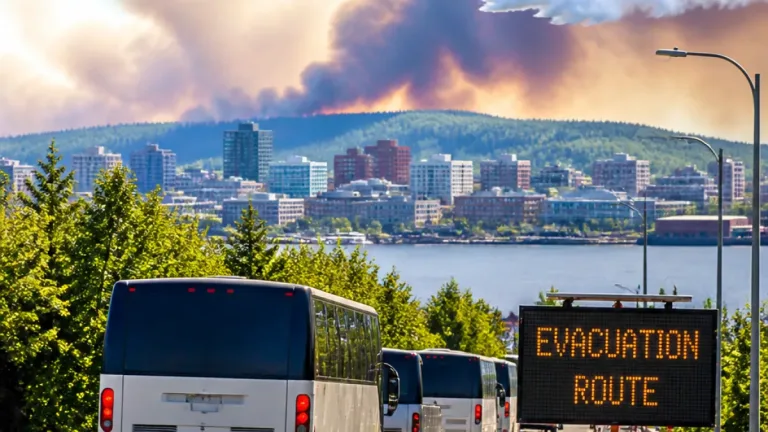
Escalating fire activity in the Northwest
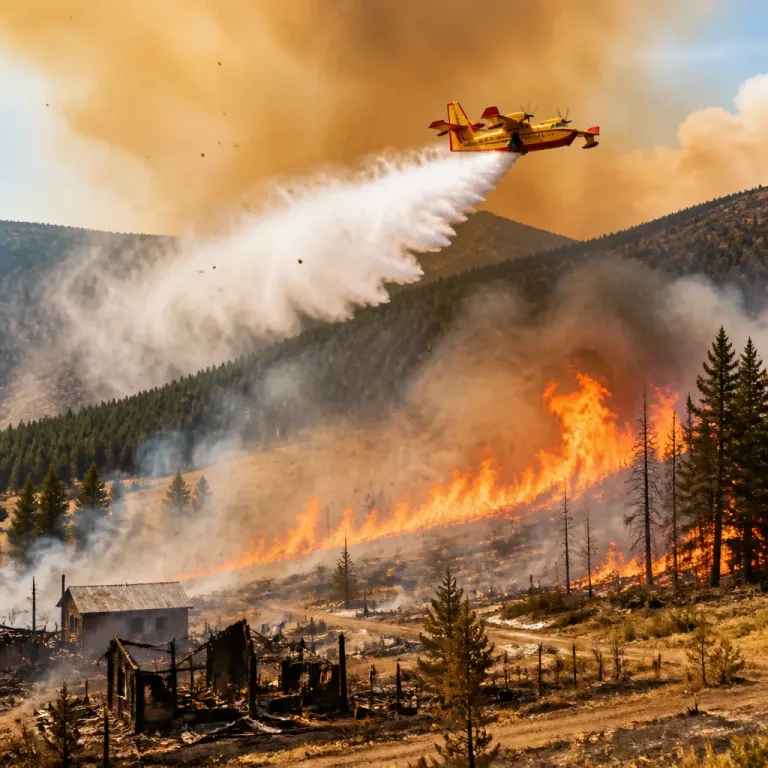
Nearly 200 wildfires are currently burning in Northern Ontario, with 57 classified as out of control, as communities brace for additional evacuations and prolonged smoke. The majority of fires are located in the province’s Northwest, where active fire behaviour and shifting weather are complicating response efforts.
Authorities are warning that wildfire activity and smoke conditions could continue to deteriorate, extending disruptions for remote communities and regional hubs already stretched by displacement and logistics. The latest assessments were reported early Monday, as crews and community leaders coordinated next steps for residents at risk.
Evacuations from Neskantaga continue
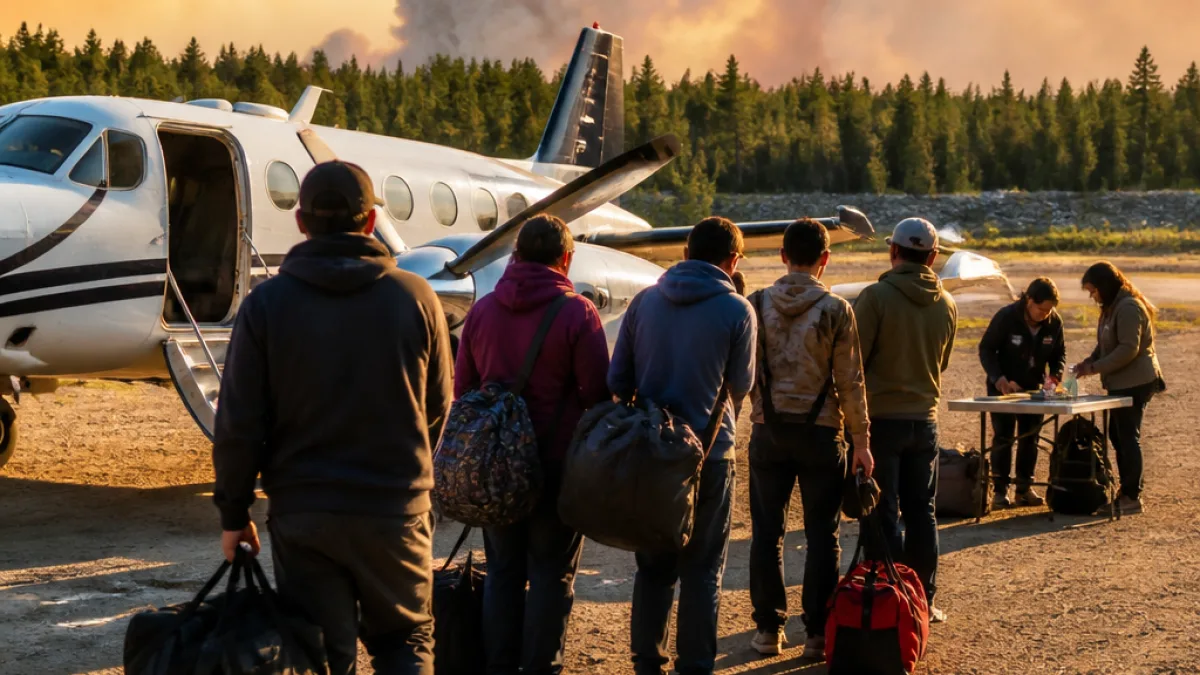
Neskantaga First Nation is arranging another evacuation flight today, with evacuees travelling to Toronto. The community declared a state of emergency amid nearby fires and weather risks affecting safety and access. Capacity in Thunder Bay — a frequent reception point for evacuees — remains constrained, with limited hotel availability prompting the move to southern Ontario.
Families and elders have been prioritized in earlier flights, and further departures are expected as conditions evolve. Air transport remains the primary option for communities off the provincial road network, requiring tight coordination between local leadership and support agencies to move people quickly and safely.
What we know so far
- Officials report nearly 200 active wildfires in Northern Ontario.
- 57 fires are out of control, most in the Northwest.
- Additional evacuations are anticipated as smoke and fire risks persist.
- Neskantaga is sending evacuees to Toronto due to limited accommodations in Thunder Bay.
Impact on communities and services
Remote First Nations in the north are particularly vulnerable when smoke reduces visibility and nearby fires threaten power, water, and flight operations. Prolonged smoke can also disrupt supply flights and delay medical travel. With accommodation shortages reported in regional centres, evacuees may be redistributed further afield to ensure access to beds, health supports and food services.
Public health agencies typically caution that wildfire smoke can aggravate respiratory and cardiac conditions. Residents in affected regions often rely on local advisories for guidance on staying indoors, using clean-air shelters where available, and limiting strenuous outdoor activity when air quality deteriorates. Those plans vary by community and are adjusted as conditions change.
Conditions expected to remain challenging
Officials have indicated that current fire activity and smoke could persist into the foreseeable future. Weather systems that bring high temperatures, low humidity or gusty winds can accelerate fire growth and spread smoke across wide areas, making predictions difficult day to day. Fire behaviour in the Northwest has been especially dynamic, requiring flexible deployment of crews and aircraft as priorities shift.
Communities monitoring nearby fires face frequent changes in visibility and flight availability. That uncertainty drives evacuation planning decisions, including the need to relocate residents to larger cities when regional capacity tightens. Housing, transportation, and health services are being scaled to meet fluctuating needs as more people move south.
By the numbers
| Measure | Status |
|---|---|
| Active wildfires (North) | Nearly 200 |
| Out of control | 57 |
| Most affected region | Northwest |
| Evacuation focus | Neskantaga First Nation |
| Evacuee destination | Toronto |
| Thunder Bay capacity | Limited hotel space |
What residents can do
- Monitor local emergency updates for evacuation notices and travel instructions.
- Follow community guidance on smoke exposure and seek medical help if needed.
- Prepare essential documents and medications in case of sudden travel.
Authorities continue to assess fire behaviour and smoke plumes, with evacuation logistics adapting to available accommodations and transportation. As the situation evolves, residents in impacted areas are encouraged to stay connected to local channels for the latest advisories and supports.