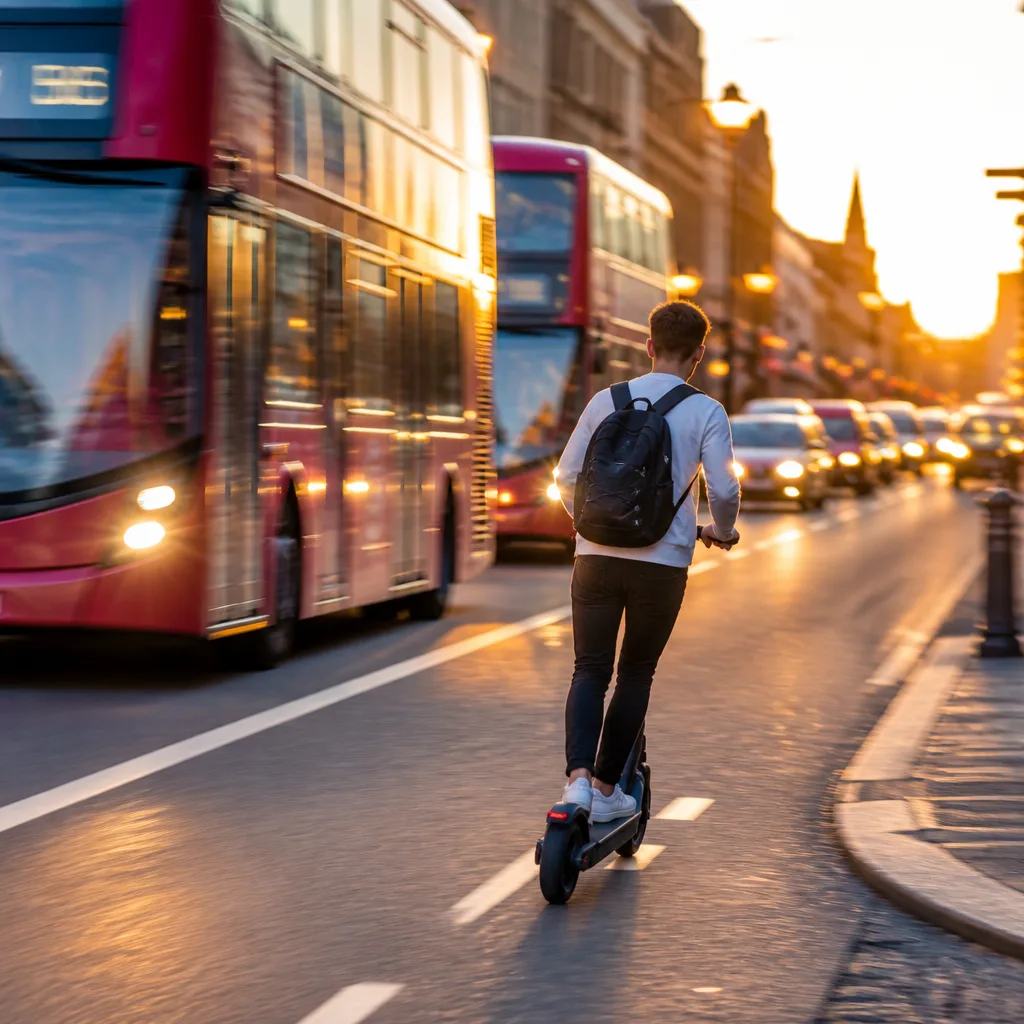
On a warm evening in Belfast, it’s not unusual to see an e-scooter zip past a line of buses, rider upright and helmetless. That everyday scene is colliding with a mounting safety push: politicians at Stormont say the devices are being used illegally on public land, and a senior doctor has linked them to a troubling rise in child injuries.
Under existing rules in Northern Ireland, privately owned e-scooters are barred from public roads, pavements and parks. Despite that, the battery-powered boards-on-wheels have become a familiar sight in towns and cities, prompting calls for tougher enforcement and clearer consequences for risky riding.
Doctors sound alarm as injuries mount
In recent comments, a paediatric emergency physician in Belfast described a surge of cases linked to e-scooters and e-bikes among children. Over the past two years, the Belfast Health Trust treated more than 120 children for such injuries, largely boys aged 10 to 12, according to Dr. Gail Davison at the Royal Belfast Hospital.
“I’ve been treating children with major head injuries,”
the consultant said, adding that helmet use was strikingly rare among the young patients — fewer than 10% wore one. She described the trend as
“a real epidemic.”
The injuries align with the devices’ capabilities: depending on the model, e-scooters can reach significant speeds, and collisions often involve unprotected riders on hard surfaces or in traffic.
What’s legal — and what isn’t
While it is not illegal to buy, sell or own an e-scooter in Northern Ireland, using one on public land is another matter entirely. A Belfast solicitor underscored the point this week:
“It’s illegal to use them in a public place,”
said lawyer Tony Caher, noting that operation is limited to private property, and only with the landowner’s consent. In practice, that means the vast majority of on-street riding visible in urban centres falls outside the law.
| Location | Status in Northern Ireland |
|---|---|
| Public roads | Not permitted |
| Pavements/sidewalks | Not permitted |
| Public parks | Not permitted |
| Private land (with permission) | Permitted |
Why Stormont is moving now
Stormont politicians have signalled plans to crack down on illegal use of e-scooters and other small off-road vehicles amid rising concern over safety and injury figures. The push reflects a widening gap between what the law allows and what’s happening on the ground. For years, e-scooters have become easier to purchase, lighter to carry and more common as a last-kilometre alternative, even in places where their use on public land hasn’t been authorized.
Part of the challenge is the format itself. E-scooters differ from seated light vehicles such as mini motos, scrambler bikes or quads. Riders stand on a narrow deck and steer with a tall, slim column. The position, small wheels and variable braking systems can make stability a problem on rough surfaces or in mixed traffic, especially at higher speeds or without protective gear.
Parents, pedestrians and policy collide
As the devices proliferate, so do competing interests: parents see a low-cost way for teens to get around, commuters want nimble options to close transit gaps, and pedestrians worry about collisions on crowded footpaths. The medical picture is plain: serious head injuries are among the most devastating outcomes when young riders fall or crash, particularly without helmets.
Stormont’s appetite for stricter action suggests more visible enforcement could follow, targeting riding on streets, pavements and park paths. Any changes will have to contend with a marketplace full of models and a public already used to seeing them in daily circulation.
What riders need to know
- Privately owned e-scooters are illegal to use on public land anywhere in Northern Ireland.
- Use is allowed only on private property with the owner’s permission.
- Injury reports from a Belfast hospital point to children 10–12 as a high-risk group, with helmet use under 10% among those treated.
As authorities weigh next steps, the message from emergency rooms is already clear: without protective gear and within current legal limits, a seemingly simple ride can carry severe consequences.