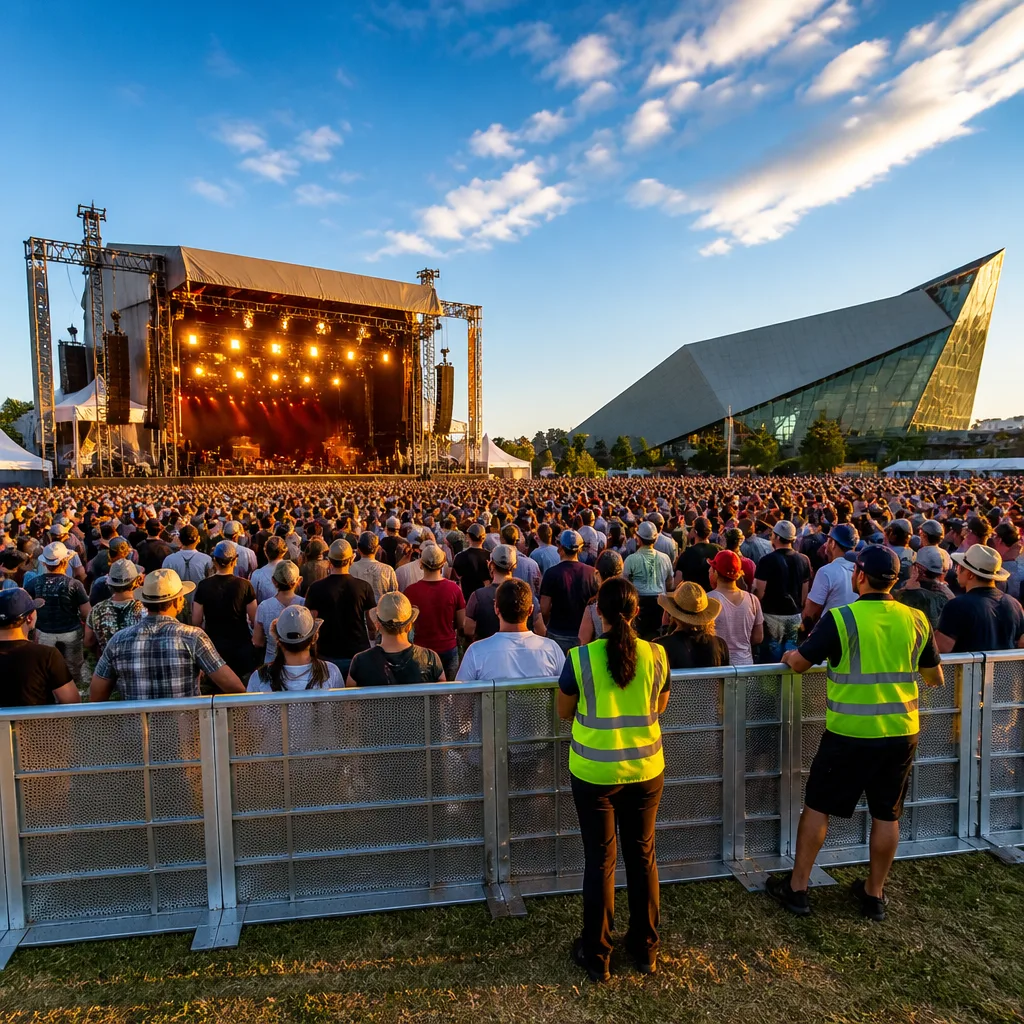
Under a July sky that mostly co-operated, the Ottawa Bluesfest ended its 2026 run looking nothing like the downsized festivals seen elsewhere this summer. The 11-day event, staged on the grounds of the Canadian War Museum at LeBreton Flats, drew steady audiences — including several nights topping 30,000 people — and a reminder that Canada’s live-music machine can still hit its stride when conditions line up.
Big nights, careful operations
On a Friday bill that paired Ella Langley, Sheryl Crow and viral duo Angine de Poitrine, the crowd swelled into one of the festival’s largest gatherings in recent memory. From the stage, Langley told fans there were 40,000 in attendance; organizers later cautioned that figure was likely high, but confirmed the turnout cleared 30,000.
Festival chief executive and co-founder Mark Monahan credited a veteran core team, supported by roughly 2,000 volunteers, for holding the line on logistics during one of the busiest stretches the festival has seen in its 32-year history.
“Every night has been very successful,” Monahan said, adding, “It looks like another great year for the team.”
Other headlining evenings that likely surpassed the 30,000 mark included sets by The Lumineers, Limp Bizkit, Gwen Stefani, Cody Johnson and Hardy, part of a program that leaned into mainstream draw while keeping the multi-genre identity that Bluesfest has cultivated.
Weather, the quiet headliner
Aside from a couple of brief downpours and a patch of intense heat, evenings were largely pleasant — a crucial variable for an outdoor festival. Those conditions helped fuel consistent nightly turnout, organizers said, underlining how even small breaks in the weather can translate to long lines at the gates and fuller lawn sections.
Reggae star Shaggy was among the artists stirring the crowd on the RBC Stage, one of several marquee bookings designed to keep audiences flowing through the week’s midpoints and weekends alike.
One misfire: unexpected fireworks
The smooth run had one early jolt. On opening night, July 9, unannounced Canada Day fireworks were deployed nearby, catching both concertgoers and city residents off-guard. Municipal officials received complaints about noise and disruption, while some festival attendees were unhappy about missing the display.
Beyond that flashpoint, the event unfolded without major operational snags — a notable outcome given the scale of the crowds and the complexities of staging on a central Ottawa site flanked by a national museum and riverfront infrastructure.
What this says about Canada’s festival moment
With promoters around the world trimming budgets, consolidating lineups or cancelling dates outright, Bluesfest’s performance offers a counter-story about demand in Canada’s capital and the systems that backstop it. Organizers emphasize three factors:
- Experienced staff who manage the thousands of moving parts involved in safety, staging and crowd flow.
- A deep bench of volunteers — about 2,000 this year — to handle front-line tasks that shape audience experience.
- Weather luck that reduces cancellations and encourages last-minute attendance.
Monahan described one of the marquee evenings as among the biggest the festival has ever seen.
“I think it was definitely one of the biggest nights we’ve ever had,” he said. “We’re not publishing specific numbers, but it was over 30,000 for sure.”
By the numbers
| Run | Location | Volunteers | High-attendance nights |
|---|---|---|---|
| July 9–19 | LeBreton Flats, Ottawa | ~2,000 | Langley/Crow/Angine de Poitrine; The Lumineers; Limp Bizkit; Gwen Stefani; Cody Johnson; Hardy |
Bluesfest’s closing weekend capped a stretch that, for many in the industry, will read as a case study in execution under pressure: match reliable operations to bankable headliners, hope for friendly skies, and be ready for the unexpected — even if it arrives as fireworks.