International crews arrive as Quebec’s wildfire season intensifies
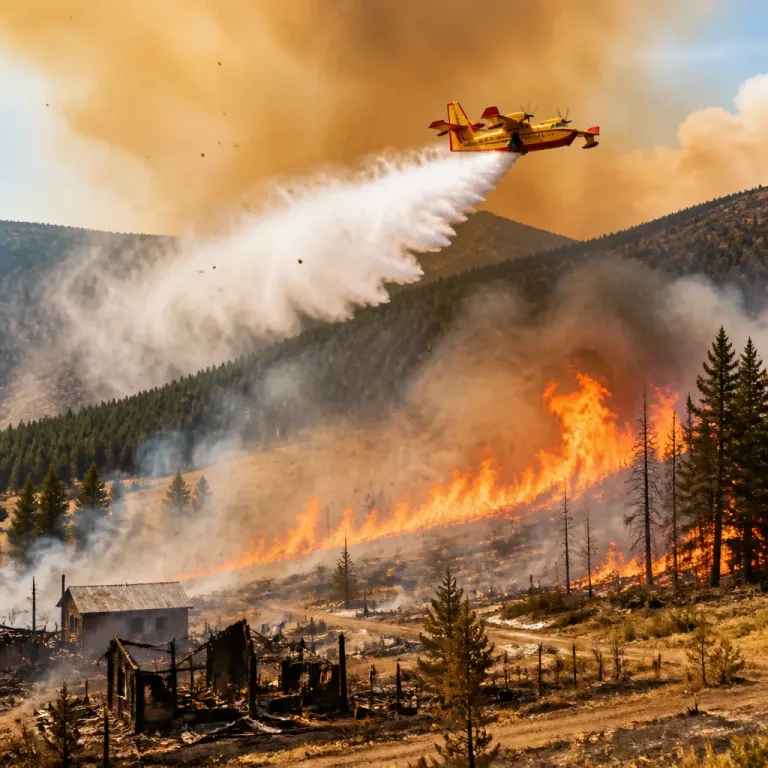
Quebec’s forest protection agency says it is operating at full stretch as the province manages more than 160 active fires, concentrated largely north of the 50th parallel. With local and interprovincial teams already engaged, the Société de protection des forêts contre le feu (SOPFEU) has turned to allies in the United States and France to bolster the response.
As of Saturday, SOPFEU reported that the vast majority of fires were burning in Northern Quebec, with crews also working in Abitibi–Témiscamingue and along the North Shore. The agency’s spokesperson, Léa Bédard‑Beaulieu, said the operational tempo has reached its limit despite help from other provinces.
“We have nearly a thousand resources mobilized all over the place,” said Léa Bédard‑Beaulieu, spokesperson for SOPFEU, who specified that the organization’s intervention capacity is saturated, despite the aid sent by other Canadian provinces.
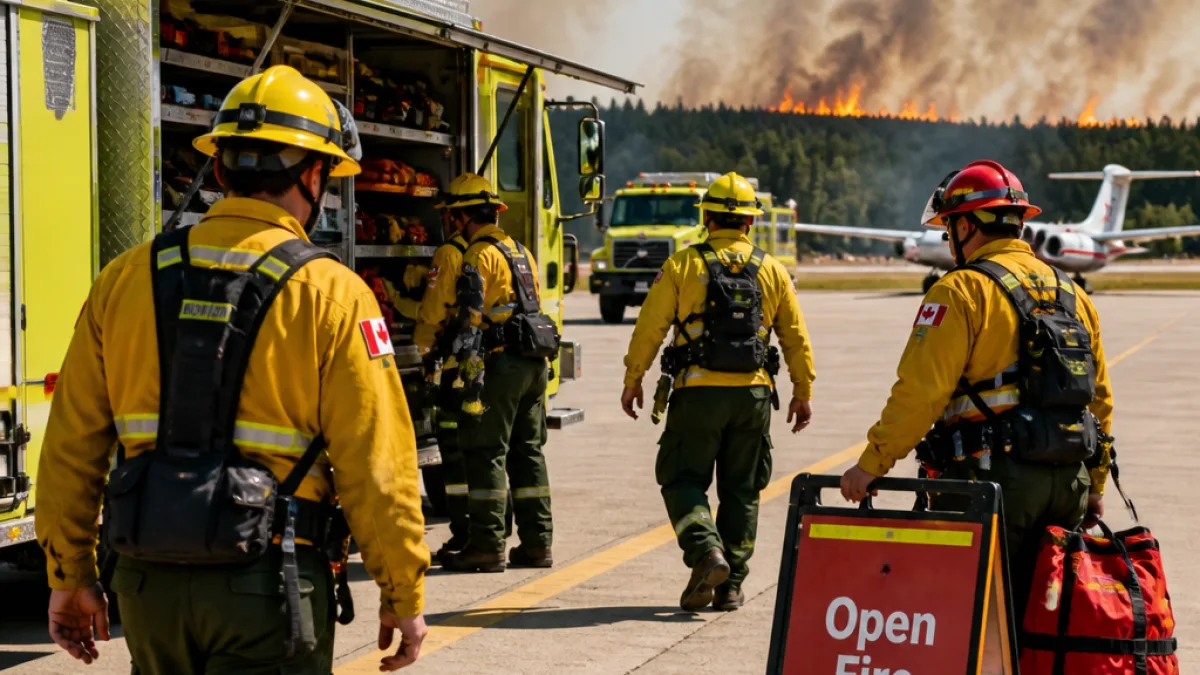
Interprovincial assistance on Quebec fire lines includes personnel from New Brunswick, Alberta, British Columbia and Prince Edward Island. In recent days, the roster expanded to include 18 U.S. firefighters arriving from Maine, Connecticut and New Hampshire under the Northeast States Pact on Wildfire Protection, and 43 firefighters from France arriving through an agreement with the International Forestry Service Unit, a private organization.
Fire activity far above seasonal norms in the North
SOPFEU says current northern fire activity is significantly elevated compared with typical mid‑July conditions. Bédard‑Beaulieu noted that the 10‑year average by this date is about 50 fires, whereas 277 have occurred since the start of the year. South of the 50th parallel—in the intensive protection zone—the number of active incidents has remained closer to seasonal ranges, according to the agency.
| Measure/Resource | Current Detail |
|---|---|
| Active fires (province‑wide) | 160+ |
| Total fires year‑to‑date (North) | 277 (vs. 10‑year average ~50) |
| Personnel mobilized | “Nearly 1,000” |
| U.S. firefighters | 18 (Maine, Connecticut, New Hampshire) |
| French firefighters | 43 (via International Forestry Service Unit) |
Restrictions and what residents should know
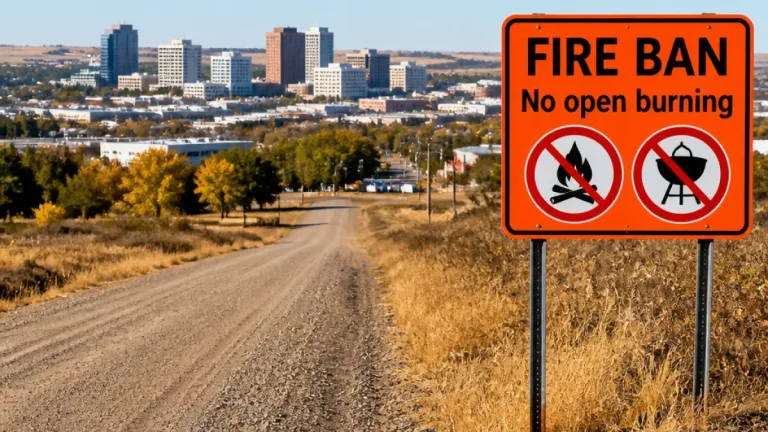
With resources stretched across northern and western regions, SOPFEU emphasized that public cooperation is essential to avoid preventable flare‑ups. Open‑fire bans remain in effect across parts of western Quebec, including Abitibi–Témiscamingue, Outaouais, Lanaudière, the Laurentians, and Northern Quebec. The agency underscored that these rules apply even when rain is in the forecast or has recently fallen.
“Our appeal to the public is to respect these preventative measures, because we cannot afford at this time to add human‑caused fires to the situation. We are already at full capacity,” said Bédard‑Beaulieu.
Residents in affected areas should anticipate intermittent smoke and shifting air quality, particularly as regional winds and neighbouring activity influence conditions. SOPFEU also cautioned that smoke from fires outside Quebec can drift into the province, compounding local impacts during peak periods.
- Check the latest open‑fire advisories before any outdoor burning or campfires.
- Report new fires or suspicious smoke immediately through established emergency channels.
- Limit spark‑producing activities in forested or grassy areas when conditions are dry.
Why international help matters now
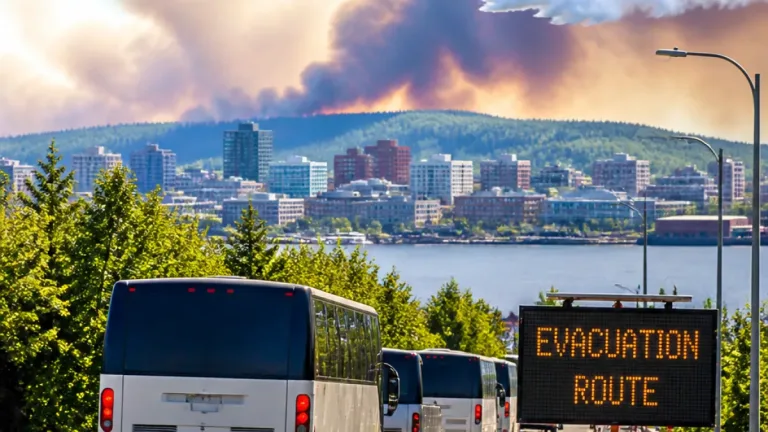
Deploying out‑of‑province and international crews allows SOPFEU to rotate exhausted personnel, reinforce priority lines and keep pace with new starts, particularly in remote terrain north of the 50th parallel. The Northeast States Pact facilitates rapid cross‑border deployment from neighbouring U.S. states, while the arrangement bringing French wildland firefighters taps additional trained teams as Quebec balances suppression, monitoring and logistics across a wide geographic footprint.
Bédard‑Beaulieu’s message to the public remains clear: respecting restrictions is a tangible way to reduce pressure on the system at a moment when crews are stretched thin. With resources at capacity and the province still facing elevated fire activity in the North, keeping human‑caused incidents to a minimum will help responders concentrate on the most threatening blazes.