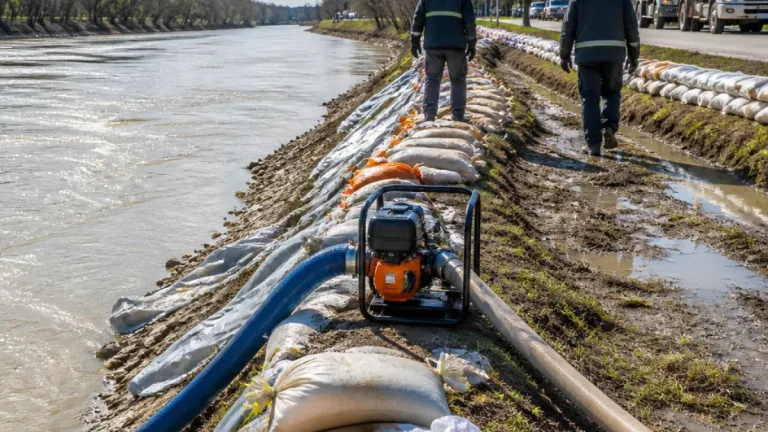

Heavy, persistent rainfall in central Texas over several days caused catastrophic flash flooding in the Hill Country, where a shallow stretch of the Guadalupe River rose above the height of a two‑storey house in roughly five hours, authorities and meteorologists said. The downpours prompted hundreds of high‑water rescues, multiple road washouts and at least two fatalities.
Scope and immediate impacts
Officials reported widespread emergency activity as storms that developed slowly over hot interior U.S. air moved repeatedly across the region. Floodwaters overturned vehicles, ripped out trees and forced urgent rescues in communities still recovering from deadly floods the previous July.
Experts described the rainfall intensity and persistence as extraordinary. National Weather Service meteorologist Bob Oravec said the conditions were "about as bad as it gets," noting such events are uncommon but have occurred in the same flood‑prone terrain more than once.
"Last year, it was one big wave that came through. And it wiped everything out, and then it receded, and then we could deal with the damage. This time, we're on day three of heavy rain and everything keeps continuing to rise, and it's expected to rain today and tonight,"
— Suzanne Sutphin Gschwind, Kerrville resident.
Rain totals and comparisons
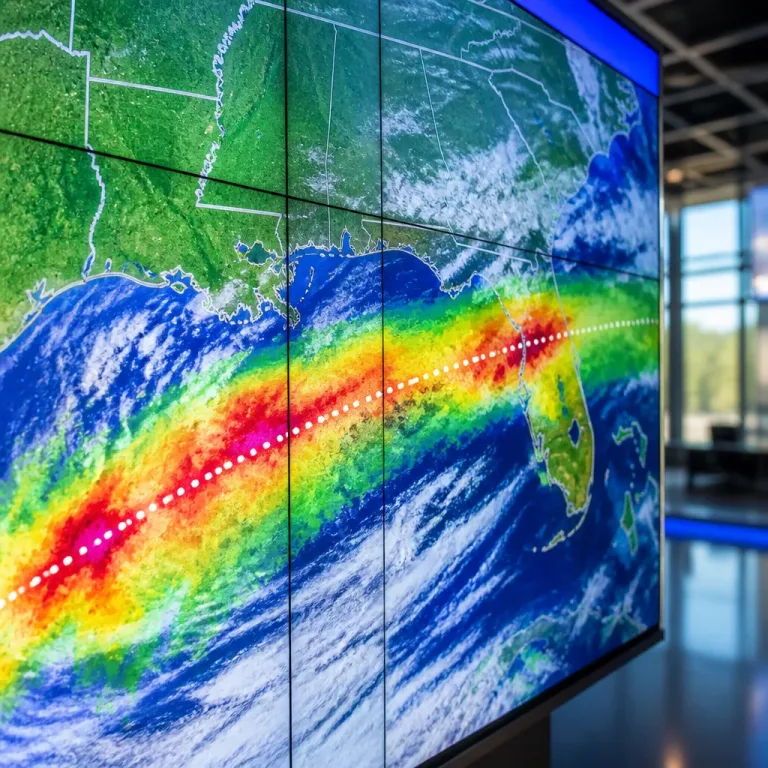
Analysts emphasised the sheer volume of water that fell in a short period. Former NOAA chief scientist Ryan Maue estimated nearly 1 trillion gallons of rain over the three hardest‑hit counties in roughly three days, and reported that Uvalde County received more rain in that span than the entire state of California did during the previous month.
| Measure | Value / Note |
|---|---|
| Estimated rainfall volume (three counties) | ~1 trillion gallons |
| Rainfall duration cited | About three days of repeated heavy storms |
| Immediate reported fatalities | At least two |
Why the region floods repeatedly
Forecasters linked the extreme event to a combination of hot, stagnant air over the continental interior and abundant moisture, which led to slow‑moving storm systems that produced intense rainfall rates — at times several inches per hour. The topography of the Texas Hill Country, with its steep hills and narrow drainages, exacerbates rapid runoff and sudden river rises.
- Duration: Multi‑day heavy rain with repeated rounds of storms.
- Intensity: Hourly rates of several inches in places.
- Impact: Hundreds of high‑water rescues, road damage, infrastructure strain.
Last summer's Fourth of July weekend floods killed more than 100 people, including many children and camp staff at Camp Mystic, underscoring the region's vulnerability to flash flooding. Officials warned that the latest conditions — with rain expected to continue in some areas — could hinder recovery and amplify risks to residents and first responders.
Safety guidance for residents in flood‑threatened areas remains standard: avoid driving through flooded roads, move to higher ground if water rises near homes, follow instructions from emergency services and monitor updates from the National Weather Service. Given the event's rapid onset and repeated nature, preparedness and heeding evacuation or shelter recommendations are critical.
Authorities continue to assess damage and conduct rescue operations. The scale of losses and infrastructure impacts will depend on how long heavy rainfall persists and how quickly floodwaters recede.