Patients nearing the end of life are often preoccupied with the people who will continue without them, according to Esther Lim, an occupational therapist who has spent the past three years supporting palliative-care patients at St Luke’s Hospital. Their requests can be deeply personal but remarkably ordinary: time at home, a family photograph, a message for someone they love or an opportunity to repair a damaged relationship.
Lim, 40, works with a multidisciplinary team in a palliative-care ward for patients who generally have a prognosis of three months or less. The patients she sees range in age from their 30s to more than 100. Many are living with advanced cancer, end-stage organ failure or neurological conditions, including late-stage dementia.
“When time is limited, the priorities often become much clearer.”
Small requests, lasting memories
For some patients, the goal is not another medical intervention but a chance to create something their loved ones can keep. One elderly man wanted a makeover and a photo shoot with his family. Another hoped to leave hospital, return home and spend the time he had remaining with relatives.
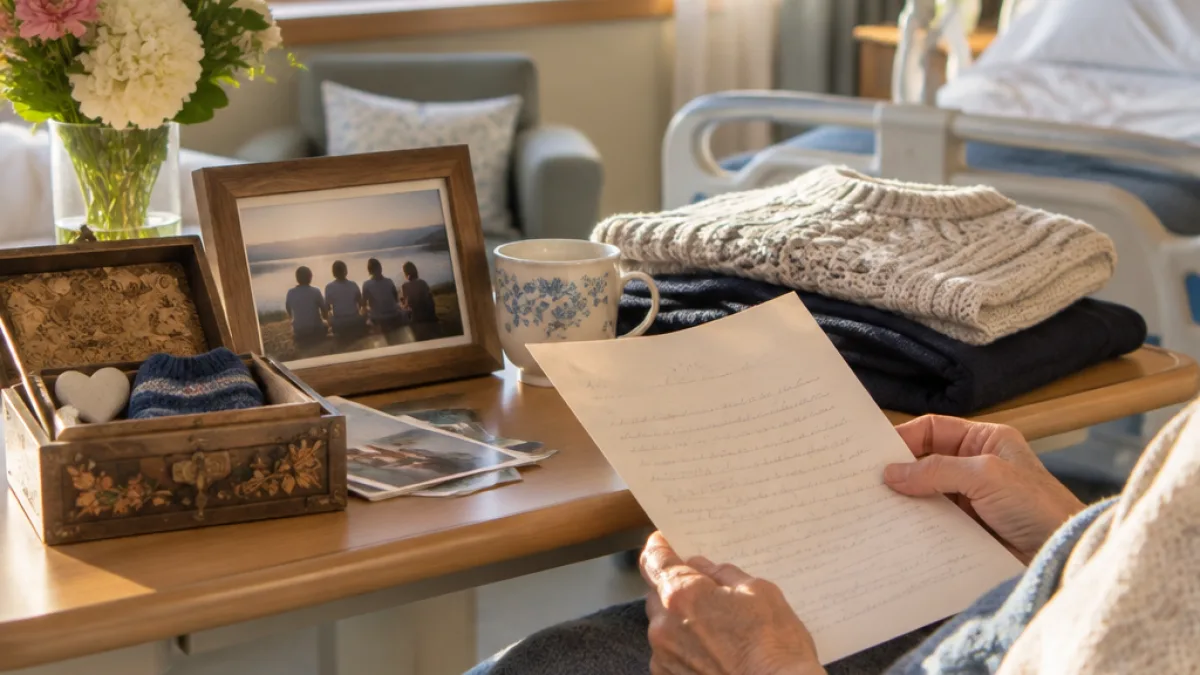
Others chose quieter ways to connect. They wrote letters, prepared cards or recorded messages for family members. Some wanted help reconnecting with an estranged relative. These wishes show how end-of-life care can involve more than managing symptoms: it can also help patients preserve relationships, express feelings and make decisions about how they want to be remembered.
| What patients sought | Why it mattered |
|---|---|
| A family photo shoot | Creating a keepsake for loved ones |
| Returning home | Spending remaining time with family |
| Letters, cards or recordings | Leaving personal messages behind |
| Reconnecting with someone estranged | Seeking reconciliation |
Care that includes the family
Lim said many patients are less worried about their own death than about what will happen to those around them. They may wonder whether relatives will cope emotionally or manage financially after they are gone. That concern can shape the support they need and the conversations they want to have while time remains.
Some also look back with regret, particularly over having devoted too much time to work and not enough to the people they loved. In that setting, occupational therapy can help translate a personal priority into an achievable activity, whether that means arranging a visit, preparing a message or finding a way to mark an important moment with family.
Lim joined the community hospital in Bukit Batok in 2014 and worked in several wards before moving into palliative care in 2023. Her experience suggests that meaningful end-of-life support is not always defined by grand gestures. Sometimes it is a hand to hold, a familiar room, a final conversation or a photograph that gives a family something tangible to carry forward.