Washington’s Senate Bill 6110, which took effect on June 11, 2026, changes how certain electric bicycles are regulated and has practical implications for parents, teenagers and school transportation planning.
What changed and why it matters
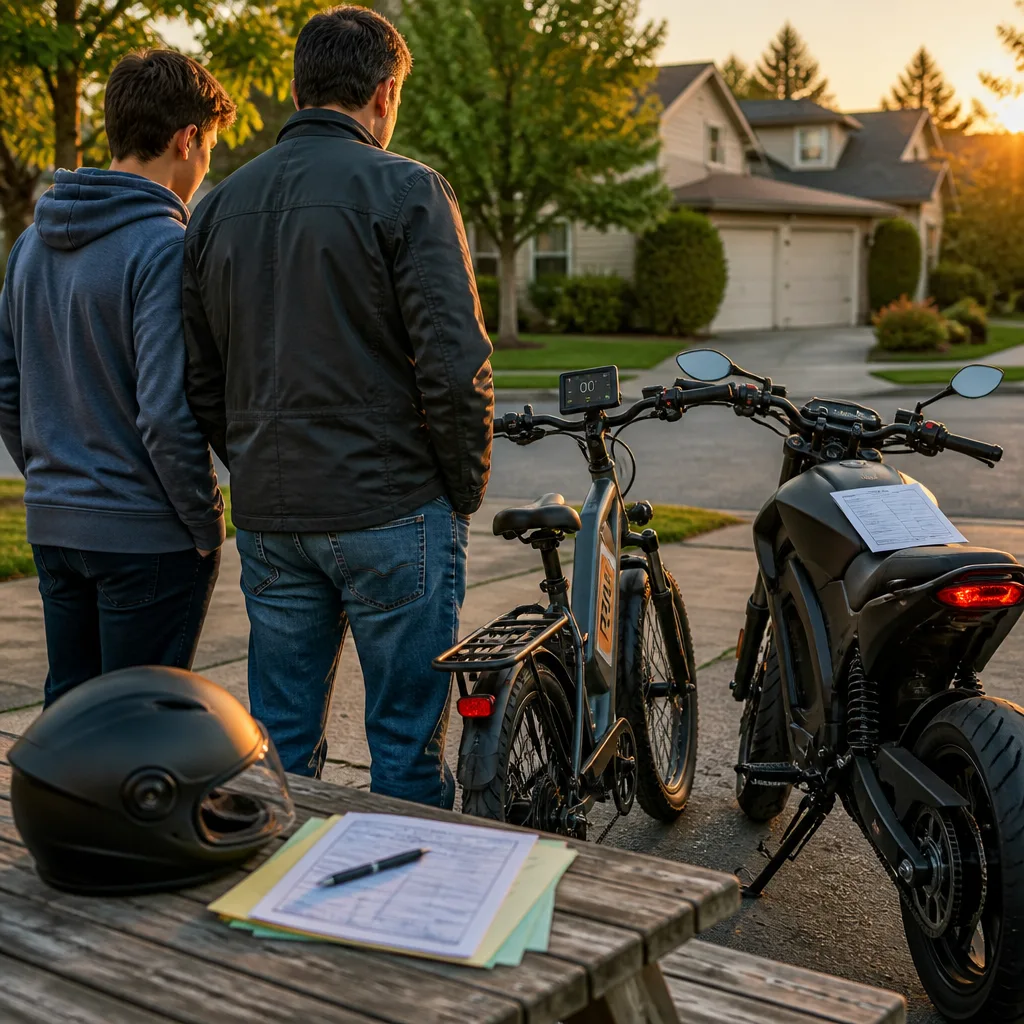
The law draws a clearer line between low-powered pedal-assist bicycles and higher-powered electric two-wheelers. Under the new rules, an e-bike must have functioning pedals and a motor capped at 750 watts to retain bicycle status. Any electric cycle that exceeds those limits or can travel faster than 20 miles per hour without pedalling is treated as an electric motorcycle.
That reclassification is significant because electric motorcycles are subject to the same administrative and safety requirements as conventional motorcycles: a driver’s licence with a motorcycle endorsement, vehicle registration and mandatory equipment.
"The biggest message is the safety concern," said Trooper Carlos Matta of Washington State Patrol. "We understand they're a great transportation option, but they come with responsibilities."
New requirements for riders and families
Families shopping for e-bikes need to check specifications carefully. The law also sets age and equipment rules for certain e-bike classes:
- Class 3 e-bikes: riders must be at least 16 years old and the bike must have a speedometer.
- Electric motorcycles: require a motorcycle endorsement on the driver’s licence, registration, DOT-approved helmets and items such as lights and mirrors; insurance is also required.
What parents and students should do
Practical steps for parents and schools include verifying the motor wattage and top speed of any e-bike before purchase, checking whether pedals are fully functional, and confirming the vehicle’s classification with the retailer or manufacturer. If a device could be classified as an electric motorcycle, plan for the additional time and cost to obtain a motorcycle endorsement and register and insure the vehicle.
| Feature | Legal e-bike | Electric motorcycle |
|---|---|---|
| Motor limit | Up to 750 W | Exceeds 750 W or >20 mph without pedalling |
| Licence | No motorcycle endorsement required | Motorcycle endorsement required |
| Age / equipment | Class 3: 16+ and speedometer | DOT helmet, lights, mirrors, insurance |
Washington State Patrol officials say education is the priority: many parents and teenagers may not realise that popular high-powered models no longer qualify as bicycles under the state code. Troopers are urging communities to treat the change as a safety and compliance concern and to seek information if unsure.
For school administrators and parent groups, the ruling can affect plans for students who rely on two-wheeled commuting options. When purchasing or approving e-bikes for students, administrators should confirm compliance with state definitions to avoid legal and safety problems.
Parents should also ask retailers for detailed specifications and retain purchase documentation in case classification questions arise later. Where an e-bike requires registration and a licence, families should factor in the time needed for training and endorsement testing.
As electric personal mobility grows in popularity, this law illustrates how technical specifications — motor wattage, pedal function and speed capability — can change whether a device is treated as a bicycle or a motor vehicle, with direct consequences for users and those responsible for student safety.