
Major health decisions no longer wait for a clinic room. As more care conversations happen by phone, Canadians are weighing life‑altering options in parking lots, restaurants and other everyday spaces — places that can instantly become extensions of the medical system the moment a call comes in.
The call that changed everything
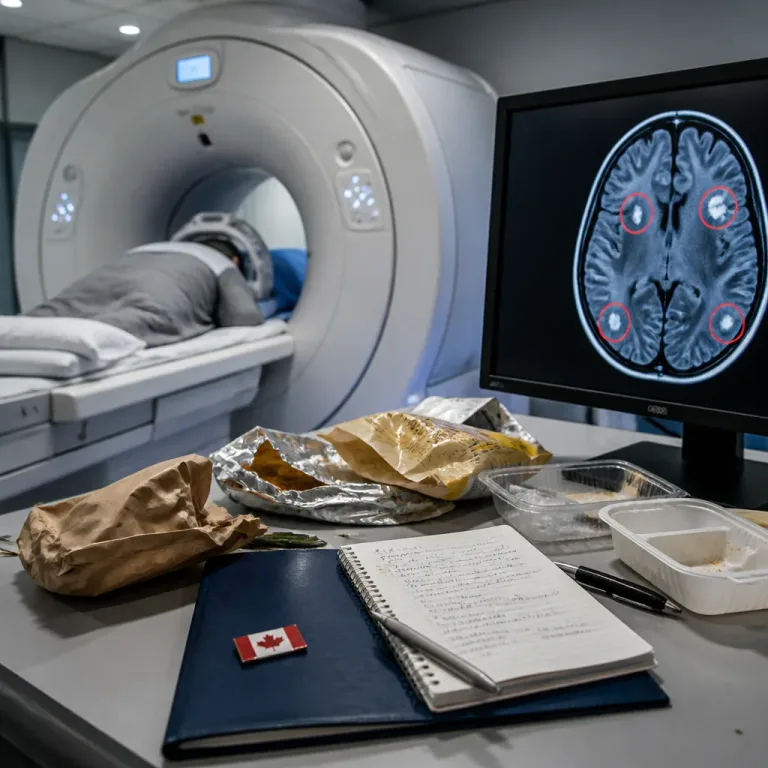
In a first-person account, a Canadian patient describes deciding on a double mastectomy while standing in a Saint-Sauveur, Que., parking lot during her children’s spring break. The call from her surgical oncologist arrived unexpectedly as she shopped with family. She stepped outside, braced a notepad against the car hood and absorbed new MRI findings before replying:
“Given this new information, I guess the bigger surgery is necessary.”
In that moment, the dusty lot, bordered by melting snow, became a medical space. A few days later, another update reached her in the washroom of a busy Montreal bistro. The settings were ordinary; the conversations were anything but.
From house calls to phone calls
The author, a professor who studies the history and visual culture of medicine, notes that where patients receive medical news has shifted over generations. Encounters once centred on home visits moved to hospitals, clinics and offices. Now cellphones have made virtually any location a potential site for discussing diagnoses and next steps. Face-to-face meetings still matter, but a ring tone can relocate a clinical exchange to wherever the patient happens to be.
- Phone and virtual updates can arrive anytime, anywhere, including public spaces.
- Familiar surroundings may add comfort — or amplify vulnerability — depending on the moment.
- Privacy safeguards for clinicians do not necessarily protect the patient’s privacy in public settings.
Privacy in public
Health professionals may follow confidentiality rules on their end — closing doors or lowering voices — but that does not shield patients who answer sensitive questions while standing in line or searching for a quiet corner. A check-in about symptoms or surgical planning can become a public‑facing dilemma: protect one’s privacy by declining to talk, or risk being overheard while urgently trying to process critical information.
| Setting | Potential impact on patients |
|---|---|
| Clinic or office | Predictable timing; private space for questions and note‑taking |
| Home | Familiar environment; varying privacy depending on household dynamics |
| Public place (e.g., parking lot, restaurant) | Limited privacy; emotional conversations in unpredictable surroundings |
Emotional weight, shifting spaces
Receiving consequential news away from a clinical setting can compress decision‑making into a fragment of everyday life. The narrative illustrates how a routine errand can give way to high‑stakes choices, with patients juggling note‑taking, logistics and emotions in real time. That dislocation — the sudden blending of ordinary and clinical worlds — is increasingly part of modern care, facilitated by the devices in our pockets.
What this means for patients and providers
The experience raises practical questions. When calls arrive without warning, patients may struggle to find quiet, process details or document next steps. For clinicians, timely outreach is essential, yet the place where a patient answers can shape how information lands and how clearly it is understood. The account underscores the value of sensitive timing and clear follow‑up — for instance, ensuring patients can review information later, or offering a prompt in‑person or virtual meeting — so critical decisions are not made under avoidable pressure.
As communication technologies continue to blur the line between clinical and everyday environments, one reality stands out: any location can become a site of care the moment a health‑care provider calls. For patients, that can be empowering or unsettling; for the system, it is a reminder that how and where news is delivered can be as consequential as the news itself.