Air quality warning issued for Kingston as wildfire smoke drifts in
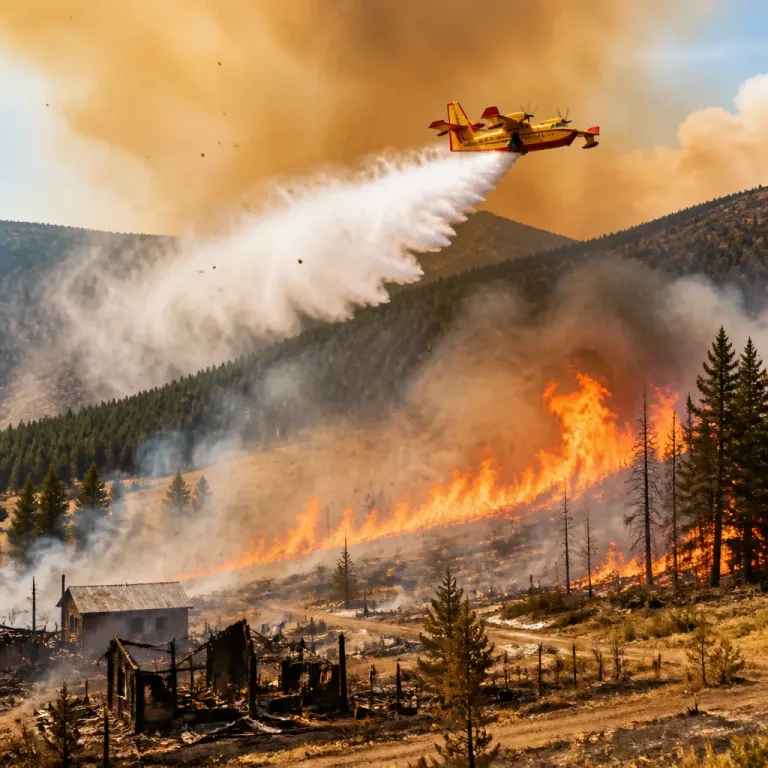
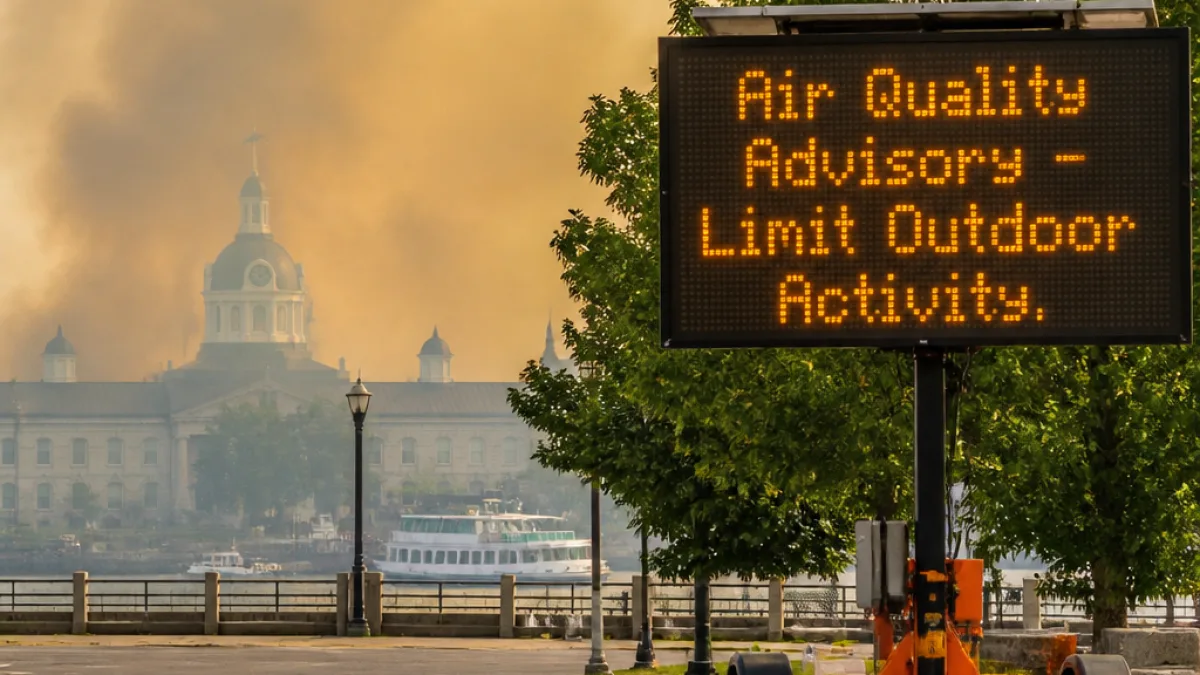
Environment Canada has placed Kingston under a yellow-level air quality warning after smoke from northwestern Ontario reached the area on Saturday. Shortly after 12:30 p.m., the federal forecaster cautioned that smoke was reducing visibility and degrading local air conditions. By 2 p.m., Kingston’s air quality index registered at 9, identified as a high-risk level on the scale and the second-worst in Ontario at the time, behind only Thunder Bay.
The agency underlined how quickly conditions can shift as winds and smoke plumes move through the region.
“Air quality and visibility due to wildfires smoke can change rapidly over short distances and from hour to hour. As smoke levels increase, health risks increase. Limit time outdoors. Consider reducing or rescheduling outdoor sports, activities and events.”
Environment Canada says a major improvement in air quality is expected on Sunday, though residents should continue to monitor advisories until then.
Health risks and who is most affected
Officials warn that breathing wildfire smoke can cause a range of symptoms. Common, milder effects include eye, nose and throat irritation, headaches and a mild cough. More serious reactions may involve wheezing, chest pain or a severe cough. Anyone experiencing severe symptoms should seek medical care.
Some residents face a higher risk of health impacts in smoky conditions. According to the alert, people most likely to be affected include:
- Older adults (65+)
- Pregnant people, infants and young children
- People with existing illnesses or chronic health conditions
- Those who work outdoors, especially during strenuous tasks
Environment Canada advises that outdoor workers and residents with respiratory or cardiac conditions take extra precautions, including reducing or postponing intense activity.
How to reduce exposure in Kingston
With conditions rated high risk, Environment Canada encourages residents to limit time outside when possible and manage indoor air. The agency’s guidance includes practical steps:
- Stay indoors as much as possible when smoke is heavy.
- Close windows and doors to keep smoke out.
- Use an air filtration or ventilation system if available.
- Those who must go outside may consider wearing a mask to reduce inhalation of fine particles.
- Reschedule or reduce intensity of outdoor sports and events.
Vulnerable residents should monitor their health closely and follow care plans provided by their health providers. Parents and caregivers may wish to adjust children’s activities until conditions improve.
What the numbers mean
Environment Canada classifies air quality levels from low to very high risk. The agency noted that readings between 7 and 10 fall into the high-risk category. Kingston’s reading of 9 on Saturday afternoon places the city firmly in that range, underscoring the recommendation to scale back outdoor exertion and keep indoor air as clean as possible.
| Indicator | Reported detail for Kingston |
|---|---|
| Advisory level | Yellow-level air quality warning |
| Air quality index at 2 p.m. | 9 (high risk) |
| Provincial comparison | Second-worst in Ontario at the time (after Thunder Bay) |
| Outlook | “Major” improvement expected Sunday |
What’s next for residents
While Kingston may see significant relief by Sunday, conditions can vary during the day as smoke shifts. Residents planning travel, outdoor recreation or work should check updates from Environment Canada before heading out. The federal alert emphasizes that visibility and pollutant levels can change by the hour, meaning precautions taken in the morning may need to be revisited later in the day.
For now, the advice is straightforward: limit outdoor exposure, keep indoor air clean, watch for any health symptoms, and postpone non-essential strenuous activity until air quality improves.