Operators near Thunder Bay report cancellations and standby evacuations
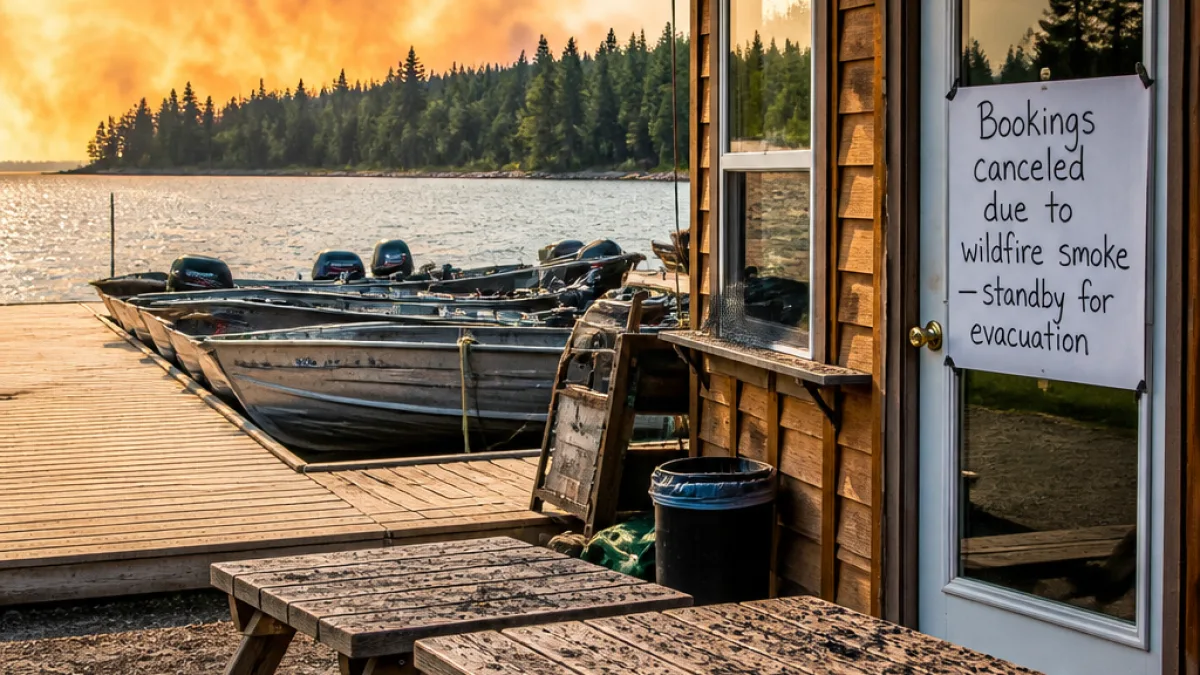
Peak summer business in northwestern Ontario has been thrown off course as wildfire smoke and nearby blazes force campground and lodge operators to cut back bookings, prepare to evacuate, and absorb financial losses. A lodge owner operating about 220 kilometres northeast of Thunder Bay described a fast-changing situation that left staff and guests scrambling to be ready to leave at a moment’s notice.
“It was literally red, like, red, really dark.”
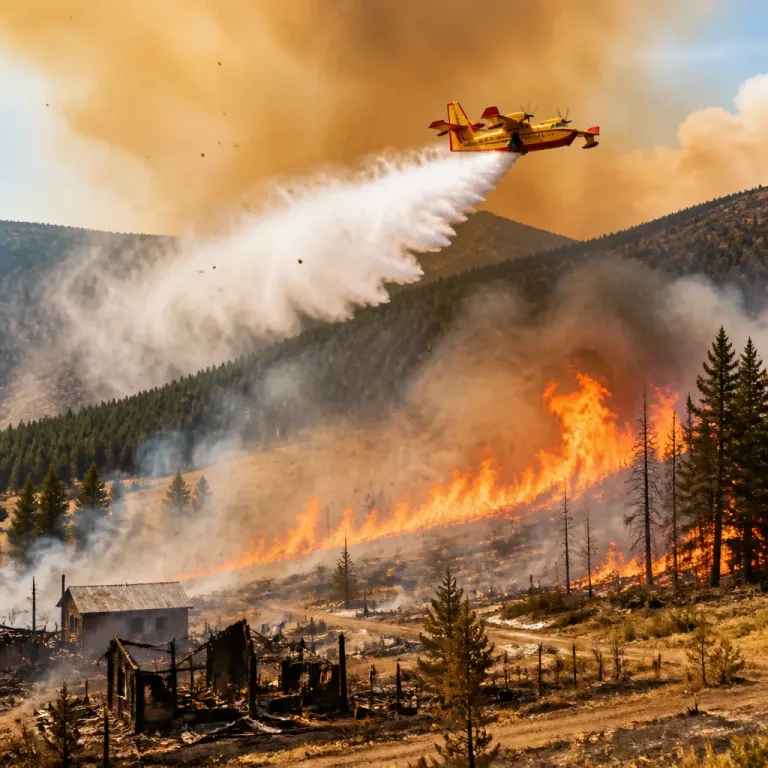
Victoria Lafreniere, who runs Pasha Lake Cabins, said a fire burned roughly four kilometres from the property earlier last week. She described using flashlights to get gear together and the anxiety of potentially losing years of work within minutes.
“There were embers flying everywhere; it was crazy.”
Bookings tumble as smoke lingers
Lafreniere said conditions have eased over the last few days, but the damage to the season is already significant. Cabins that had been fully booked for the week are now at less than half capacity after a wave of cancellations. She added that many guests have also decided to forego trips for the rest of the season, citing concerns about air quality and uncertainty related to multiple fires in the region.
The outlook underscores how sensitive the northern tourism economy is to extreme weather during a short summer window. Operators depend on anglers and families travelling to remote lakes and campgrounds; smoke, visibility issues and fire proximity have upended those plans even when properties remain open.
Scale of fires adds to uncertainty
Across Canada, there are over 950 wildfires continuing to burn, with nearly 200 active in Ontario. The concentration of activity in the northwest has compounded operational challenges for outfitters and lodges, particularly around communities north of Thunder Bay. Lafreniere noted she had seen reports of losses at other resorts in the broader region and worries about what a prolonged season of smoke could mean for rural businesses and workers.
| Measure | Current figure |
|---|---|
| Active wildfires (Canada) | 950+ |
| Active wildfires (Ontario) | ~200 |
Emotional and financial strain on operators
For small, family-run businesses, the volatility is not just logistical. Lafreniere said the fear of losing the property she built for her children was acute in the moments when the sky turned dark and ash drifted on the wind. The lodge remains on standby to evacuate should conditions deteriorate again, even as day-to-day operations continue with fewer guests.
- Bookings that were once full are now cut to under half for the week.
- Guests are cancelling later trips due to worries about smoke and uncertainty.
- Operators remain prepared to leave quickly if nearby fires advance.
Northern communities navigate a difficult season
The knock-on effects extend beyond single properties. Reduced visitor traffic affects local suppliers, guides and seasonal staff who rely on July and August revenue. Even where flames are kilometres away, persistent smoke and shifting fire behaviour have become decisive factors for travellers weighing whether to proceed with northern trips.
While conditions near some lodges have improved in recent days, operators say the immediate focus remains on safety and contingency planning as the fire season continues. The prospect of more cancellations — and the uncertainty they bring — is now a defining feature of a summer many in the northwest will remember for its smoke-choked skies and interrupted plans.