A public dispute between high-profile tech investors over whether artificial intelligence can outperform physicians has thrown a different issue into sharp relief: how health insurers are already using AI to manage — and sometimes deny — claims and prior authorizations.
From diagnosis debate to coverage questions
The online exchange began on July 12, when investor Marc Andreessen asserted on X that
"AI is already a better doctor than 99.99% of human doctors"after the release of new test results for OpenAI’s model, identified as GPT‑5.6. According to those results, physicians in blinded reviews judged the model’s answers as flawless in roughly a 20%–25% share of cases, compared with about 10% for responses written by doctors.
Entrepreneur Mark Cuban rejected that view, replying
"It's not,"and arguing that improved diagnostic tools do not solve the next hurdle patients face when coverage is required. He warned that insurers are developing systems designed to slow or refuse payment:
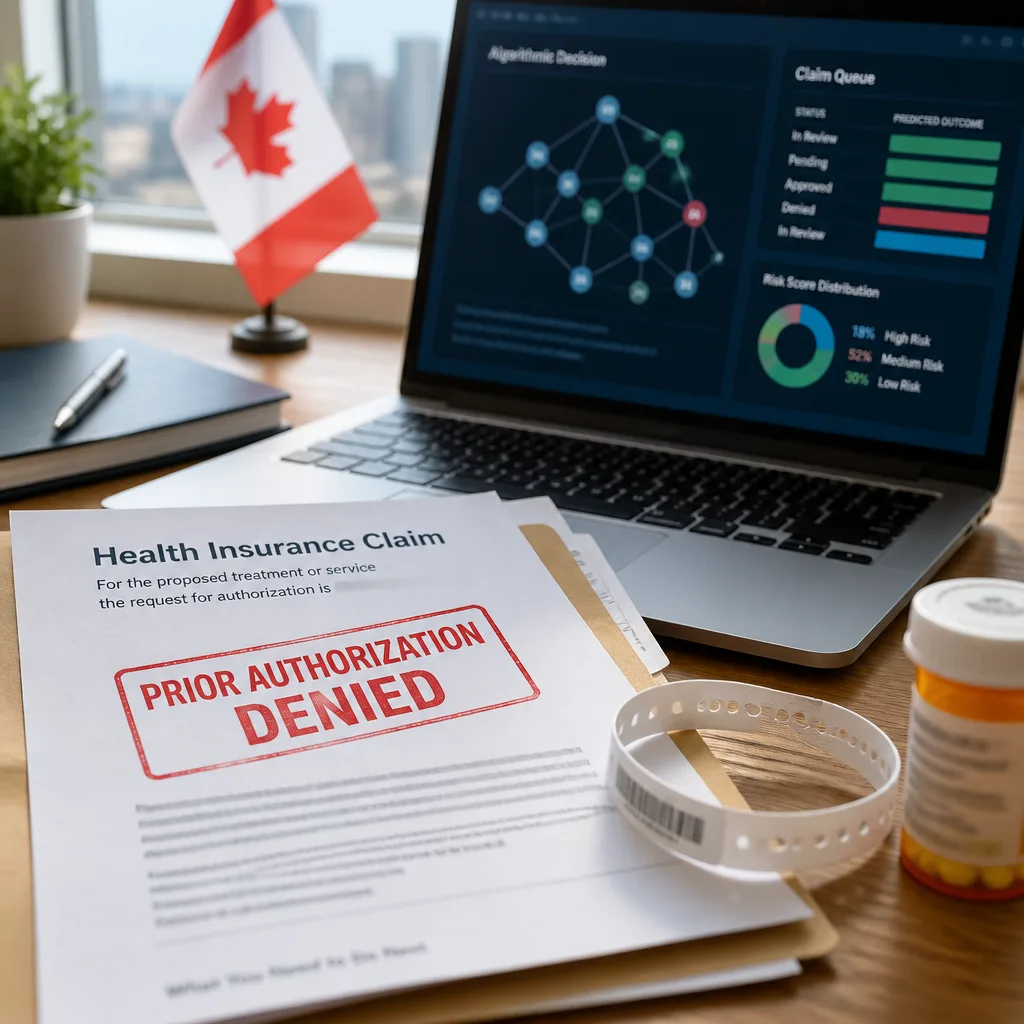
the same companies are building AI systems to manage, and in some cases deny, claims.
How common is insurer AI now?
While the rhetoric was heated, the underlying concern is not hypothetical. A recent NAIC Artificial Intelligence and Machine Learning survey, drawing on responses from 93 insurers across 16 U.S. states, found that 84% of health insurers already use AI or machine learning in some part of their operations. Notably, 12% reported using it specifically in decisions on prior authorization denials. The same survey stated that nearly one‑third of health insurers do not routinely test their models for bias or discrimination, despite NAIC guidance in place since December 2023.
| Indicator | Figure |
|---|---|
| Insurers using AI/ML (any capacity) | 84% |
| Use of AI in denying prior authorization | 12% |
| Insurers not regularly testing for bias | ~33% |
This growth in automation meets a public that is still wary. An April West Health–Gallup poll found that 1 in 4 U.S. adults had turned to AI for a health question, yet only 4% of recent users said they strongly trusted the information’s accuracy.
Appeals are rare — and only partly successful
Separate analysis from KFF of federal marketplace data shows how seldom patients challenge denials. In 2023, fewer than 1% of rejected Affordable Care Act claims were appealed, and insurers upheld 56% of the denials that were contested. These figures pre‑date widespread consumer‑facing deployments of large language models but illustrate the practical barriers that patients encounter after a diagnosis, regardless of how it is made.
Why this matters for patients and payers
The debate underscores a core tension: AI may assist with clinical reasoning, but access to care also depends on insurers’ coverage rules and how those rules are enforced. As algorithms become embedded in administrative workflows, questions intensify around:
- Transparency: what data and criteria guide automated authorization or denial decisions;
- Fairness: whether models are routinely evaluated for bias and unintended effects;
- Accountability: how patients and providers can contest machine‑assisted decisions.
For clinicians, payers and patients, the headline may be AI’s diagnostic promise. But the real‑world impact often turns on coverage. As the NAIC data indicate, insurer use of automation is already widespread — and the systems shaping approvals and denials are not always subject to regular bias testing. That gap, combined with low appeal rates and mixed outcomes when denials are challenged, helps explain why the latest social media clash over AI’s medical abilities quickly broadened into a conversation about the technology’s role in the business of health care.