Hundreds leave remote communities north of Thunder Bay amid intensifying smoke
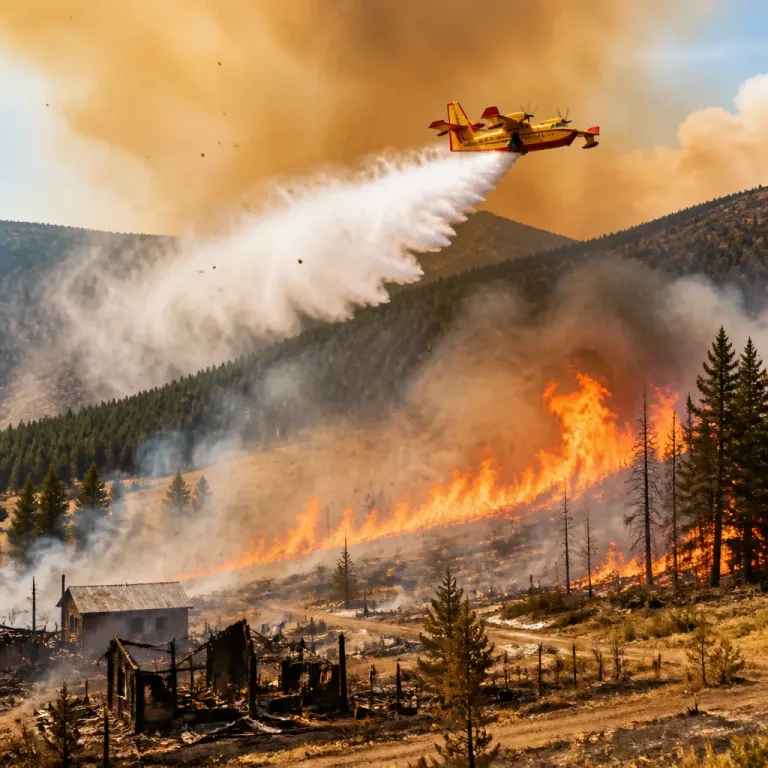
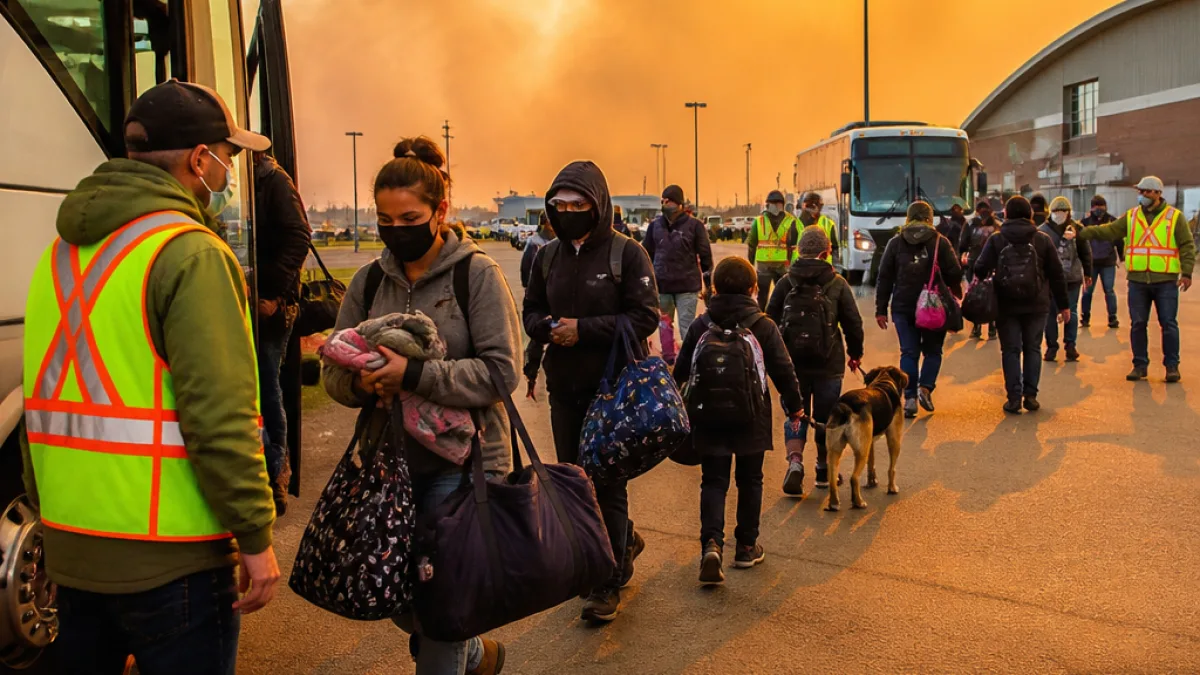
Nearly 350 evacuees from Whitesand First Nation and the nearby unincorporated communities of Armstrong and McKenzie Lake have arrived in Thunder Bay, fleeing wildfires that have rapidly worsened smoke conditions in Ontario’s northwest. Residents described a swift change from haze to acrid, dark smoke and falling debris as crews continued to battle nearly 200 wildfires across northern Ontario.
People on the ground said the air grew hazardous within hours early in the week. In Whitesand, located more than 250 kilometres north of Thunder Bay, community members watched ash drop from the pines and felt urgency escalate as visibility shrank. Many left with only essentials, uncertain about the condition of their homes.
On-the-ground accounts from a fast-moving emergency
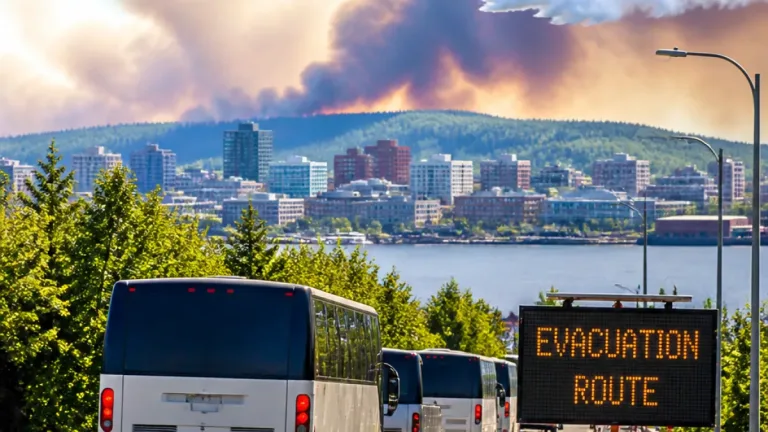
Evacuees reported a red glow on the horizon and heavy smoke along the evacuation route, with long waits at fuel stops as families tried to get out. One retired firefighter who helped warn neighbours emphasized that while flames might still be some distance away, the air itself becomes dangerous much sooner.
“You breathe that, then … your lungs might collapse because of the smoke inhalation and the heat,”
he said, recalling how he urged people across the reserve to leave immediately.
Others described leaving behind pets and belongings as conditions deteriorated. In Thunder Bay, evacuees are being housed in local hotels while they await updates on the fires and access to their communities. They are joined by evacuees from other parts of the northwest — including members of Collins First Nation — as fire activity continues to push smoke south and east.
Smoke impacts reaching far beyond the fire lines
Provincial fire officials have said this season has already blackened more land than last year’s total, as persistent hot, dry conditions fuel new starts and complicate suppression efforts. The smoke has spread widely, affecting air quality across Ontario and drifting into several U.S. states. For residents in the northwest, the most immediate threat has been the sharp decline in air quality, which prompted community leaders to coordinate departures even when flames were not yet visible.
- Rapid shift from light haze to thick, acrid smoke prompted evacuation decisions.
- Traffic bottlenecks formed at gas stations along evacuation routes heading to Thunder Bay.
- Evacuees from multiple communities are now sheltering in the city as conditions remain volatile.
Communities on the move
The following communities have evacuees currently in Thunder Bay, based on accounts from residents at local accommodations:
| Community | Approx. distance to Thunder Bay | Status noted |
|---|---|---|
| Whitesand First Nation | 250+ km north | Residents evacuated due to dangerous smoke and falling debris |
| Armstrong | Near Whitesand | Residents evacuated; sheltering in city |
| McKenzie Lake | Near Whitesand | Residents evacuated; sheltering in city |
| Collins First Nation | Northwest Ontario | Evacuees also in Thunder Bay |
What residents are watching next
With multiple fires active across the region and smoke conditions shifting with the wind, people who fled say they are focused on two questions: when it will be safe to return and whether their homes remain intact. As of late week, evacuees in Thunder Bay were awaiting further direction while keeping close tabs on updates about the fires around their communities.
For many, the decision to leave came down to health risks that escalated quickly. One evacuee described the scene on the drive south: a sky tinted red through the smoke, a line of vehicles at the pumps, and a palpable sense of urgency as families tried to get ahead of worsening conditions. The evacuees say support from the community in Thunder Bay has been a lifeline while they wait for clearance to go back.
Fire crews continue to prioritize life and property as weather and fuel conditions make suppression challenging across the north. Authorities have warned that smoke can travel far from active fire lines, and residents should monitor local advisories when visibility drops or smoke odour intensifies. For the hundreds now in Thunder Bay — and many more across the northwest — the next few days will determine how quickly they can return and what they will find when they do.