INTERPOL is intensifying efforts to help countries defend against the weaponization of chemical, biological, radiological, nuclear and explosive materials — collectively known as CBRNE — by embedding technical skills and response procedures into national systems.
Why the push matters
Although deliberate incidents involving CBRNE materials remain uncommon, their potential consequences are severe: widespread harm to human and animal health, environmental damage, destruction of infrastructure and disruption that can ripple across regions or nations. INTERPOL’s approach focuses on reducing those risks by strengthening national capabilities so authorities can lead effective responses.
How INTERPOL is working with countries
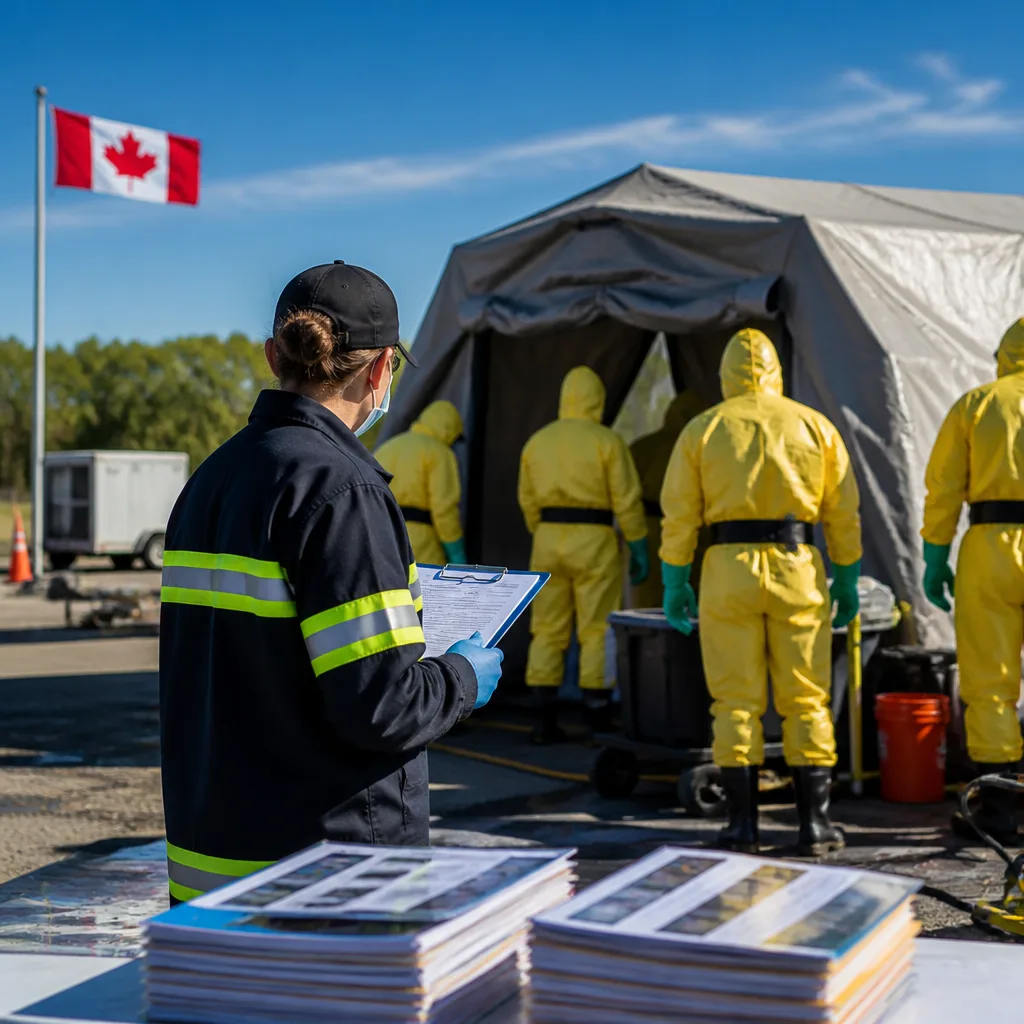
The organisation delivers tailored capacity-building programmes aimed at a range of actors beyond policing: first responders, judicial authorities, health and environmental agencies, regulators and others who would be involved in a complex CBRNE event. Key elements include:
- specialist training on how to detect and manage different CBRNE materials;
- operational support and intelligence sharing between member countries;
- long-term follow-up to help states embed training outcomes into official procedures and curricula.
These programmes are designed so that countries can sustain capabilities themselves, with INTERPOL providing ongoing assistance rather than one-off instruction.
Early signs of impact
Some nations have incorporated elements of INTERPOL’s training into national guidelines and police education. One example cited is Tunisia, where recent biosecurity training led to a national "train the trainer" initiative intended to broaden first responders’ ability to recognise indicators of biological incidents.
| CBRNE category | Potential harm |
|---|---|
| Chemical | Toxic exposures, contamination of environments |
| Biological | Infectious outbreaks, public health crises |
| Radiological/Nuclear | Radiation injuries, environmental contamination |
| Explosive | Immediate blast damage, secondary contamination |
INTERPOL stresses that responding to such incidents demands technical skills and cross-sector coordination very different from ordinary criminal investigations. The agency’s work emphasises information exchange, joint exercises and adapting training to national contexts so authorities can assume leadership during an event.
For Canadian readers, the initiative underscores the importance of international collaboration on rare but high-impact threats. Strengthened global capacity reduces the likelihood that an incident anywhere becomes a cross-border crisis, and it helps ensure that when events do occur they are managed by trained national teams supported by an international network.