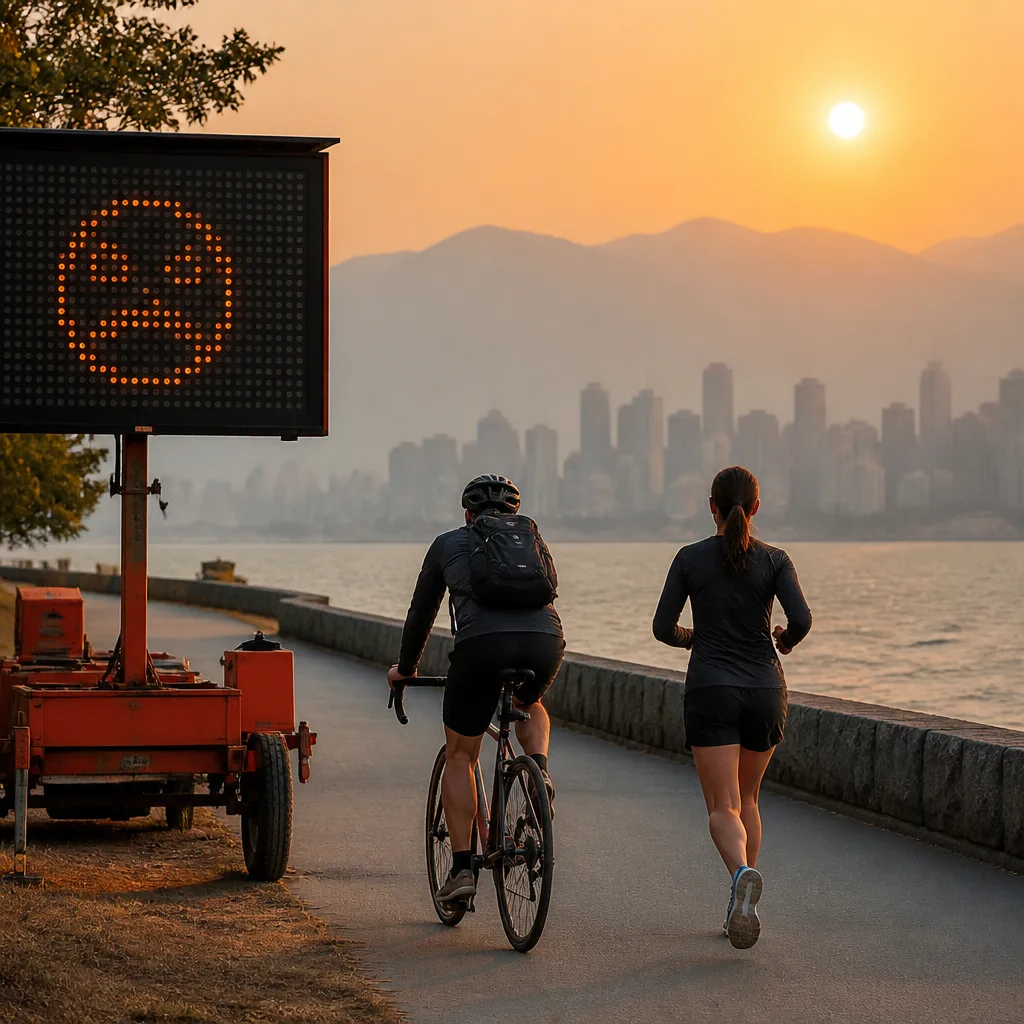
Smoke set to reach the coast as winds shift
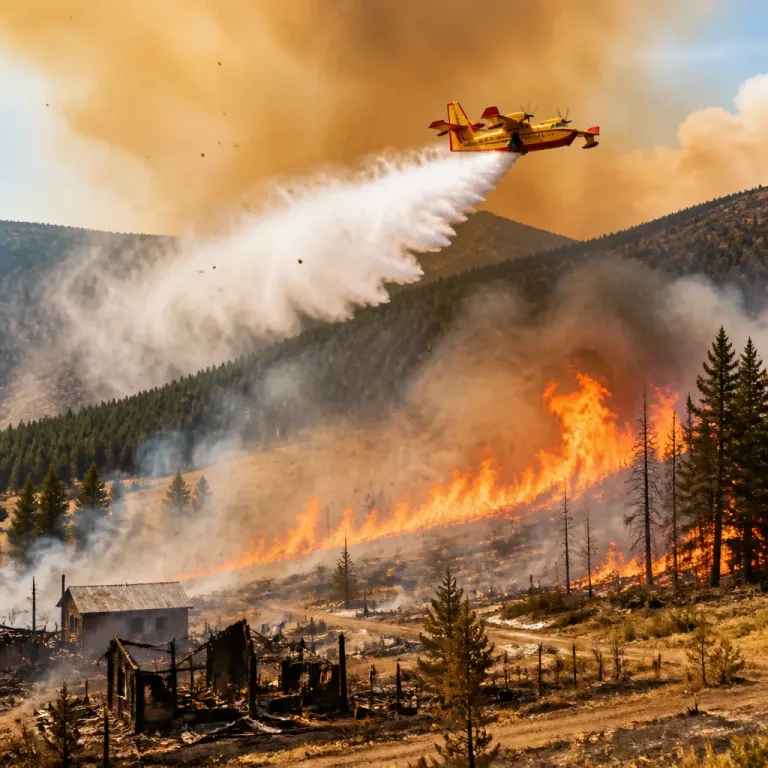
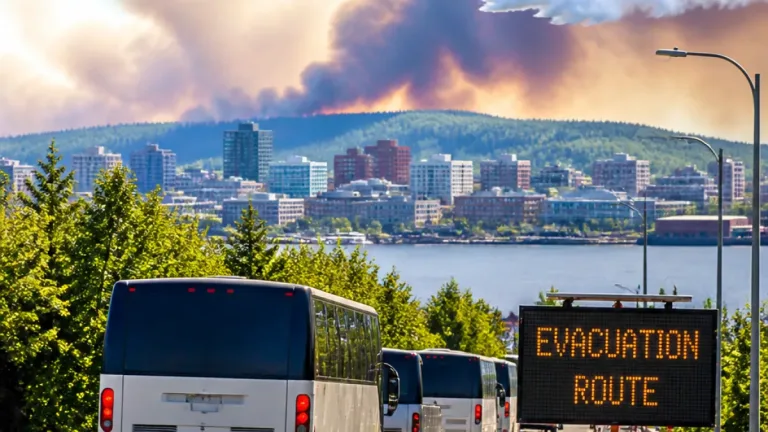
Wildfire smoke is forecast to push into Vancouver and communities along B.C.’s South Coast by Monday morning, as a change in wind direction channels haze westward from the Interior. The Weather Network reports 108 active wildfires across British Columbia, with persistent drought and recent lightning contributing to growth and new starts. Forecasters caution that skies will turn hazy for Metro Vancouver and higher elevations on Vancouver Island, with air quality potentially rising to a moderate risk level depending on how much smoke settles at the surface.
High pressure over the Interior and a weak coastal trough are expected to steer smoke through the Fraser River corridor toward the coast. Air quality advisories already in parts of the Okanagan on Sunday could broaden as the plume spreads. The same smoke-driven air quality issues that have affected Ontario are poised to extend or intensify along the South Coast early in the week.
Fire growth amid drought and limited rain
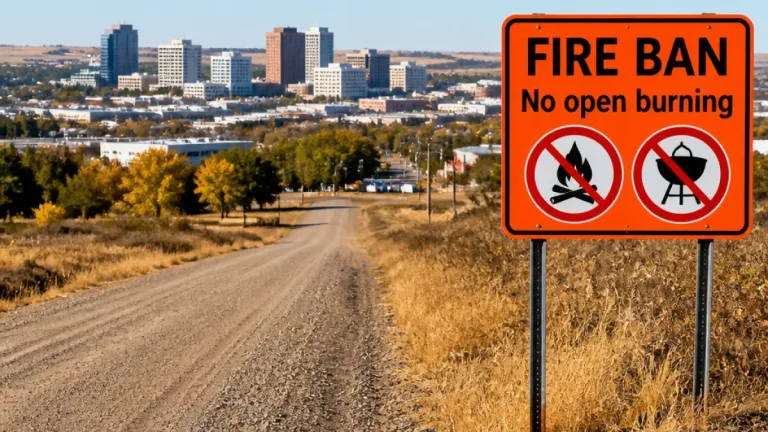
Exceptionally dry conditions continue to set the stage for rapid spread. Since July 8, the area burned in B.C. has increased approximately five-fold, according to The Weather Network. The Ainsley Creek wildfire, first detected on July 4, has expanded to nearly 17,000 hectares. Forecast models indicate rising temperatures and sparse precipitation concentrated in northern B.C., while rain is projected to skirt past many active fire zones—leaving much of southern B.C. dry and vulnerable.
By Tuesday, additional smoke from wildfires burning in the United States may drift north into southern B.C., potentially prolonging reduced visibility and degraded air quality. The extent of near-surface impacts will hinge on overnight mixing and daytime onshore flows, but forecasters say residents should be prepared for periods of thicker smoke.
What to expect and when
| Timing | Region | Primary impact |
|---|---|---|
| Monday morning | Metro Vancouver, Vancouver Island (higher terrain) | Hazy skies; possible moderate risk air quality if smoke mixes to surface |
| Monday afternoon–evening | South Coast generally | Variable smoke near ground; visibility reductions in pockets |
| Tuesday | Southern B.C. | Potential additional smoke from U.S. fires; continued poor air quality |
Health and travel considerations
Wildfire smoke can aggravate respiratory and cardiac conditions, and the risk rises with prolonged exposure, especially when air quality reaches moderate levels or worse. People most sensitive to smoke—older adults, those with heart or lung disease, pregnant individuals, and young children—should monitor symptoms closely and reduce exposure when haze thickens.
- Limit strenuous outdoor activity when smoke is noticeable or if you experience coughing, throat irritation, or shortness of breath.
- Keep windows closed if indoor temperatures allow; consider a portable air cleaner or high-quality HVAC filtration where available.
- If you must be outdoors for extended periods in smoky conditions, a well-fitted respirator-style mask may help reduce inhalation of fine particles.
- Plan commutes and outdoor tasks earlier in the day if conditions are clearer; visibility may fluctuate through the afternoon.
Forecast drivers: high pressure and a coastal trough
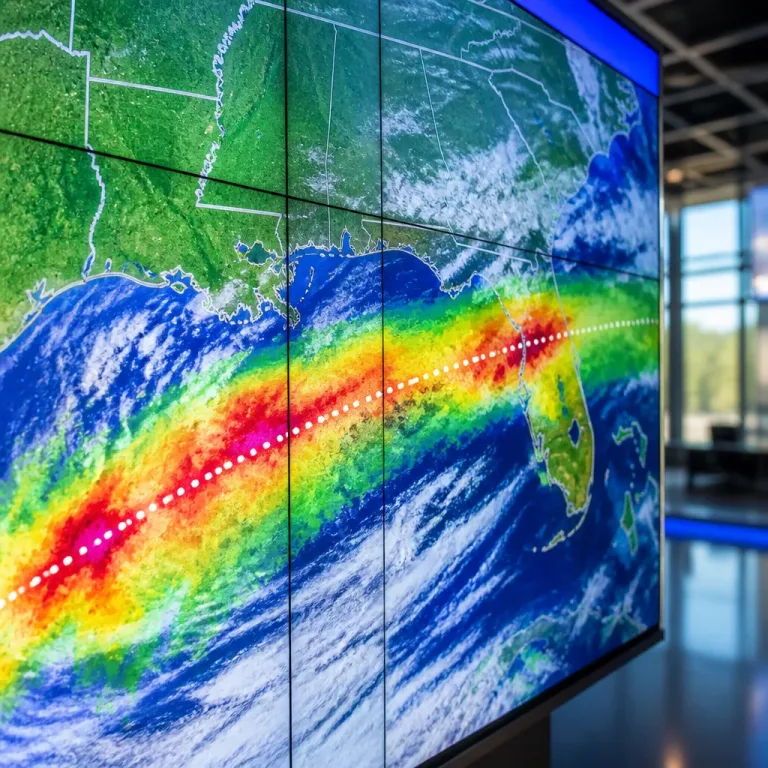
The anticipated deterioration in air quality is tied to a synoptic setup funnelling smoke from the Interior toward the coast. A ridge of high pressure inland supports subsidence and temperature increases, while a weak trough along the coast alters low-level flow, guiding smoke through the Fraser valley. With forecast rain largely missing the major fire complexes and limited precipitation overall in southern B.C., fuels remain dry and prone to ignition and re-ignition.
Ontario continues to see intermittent smoke impacts from active fires as well, underscoring the broader reach of this year’s fire season. For the South Coast, the immediate concern is the timing and depth of smoke mixing to the surface on Monday and Tuesday, which will determine how quickly air quality degrades at street level. Residents should be prepared to modify outdoor plans as conditions change.