Toronto health officials say a sample of mosquitoes collected in the city has tested positive for West Nile virus, marking the first confirmed mosquito pool in Toronto this year. The announcement follows recent positive detections in neighbouring York and Halton regions.
How the detection was made
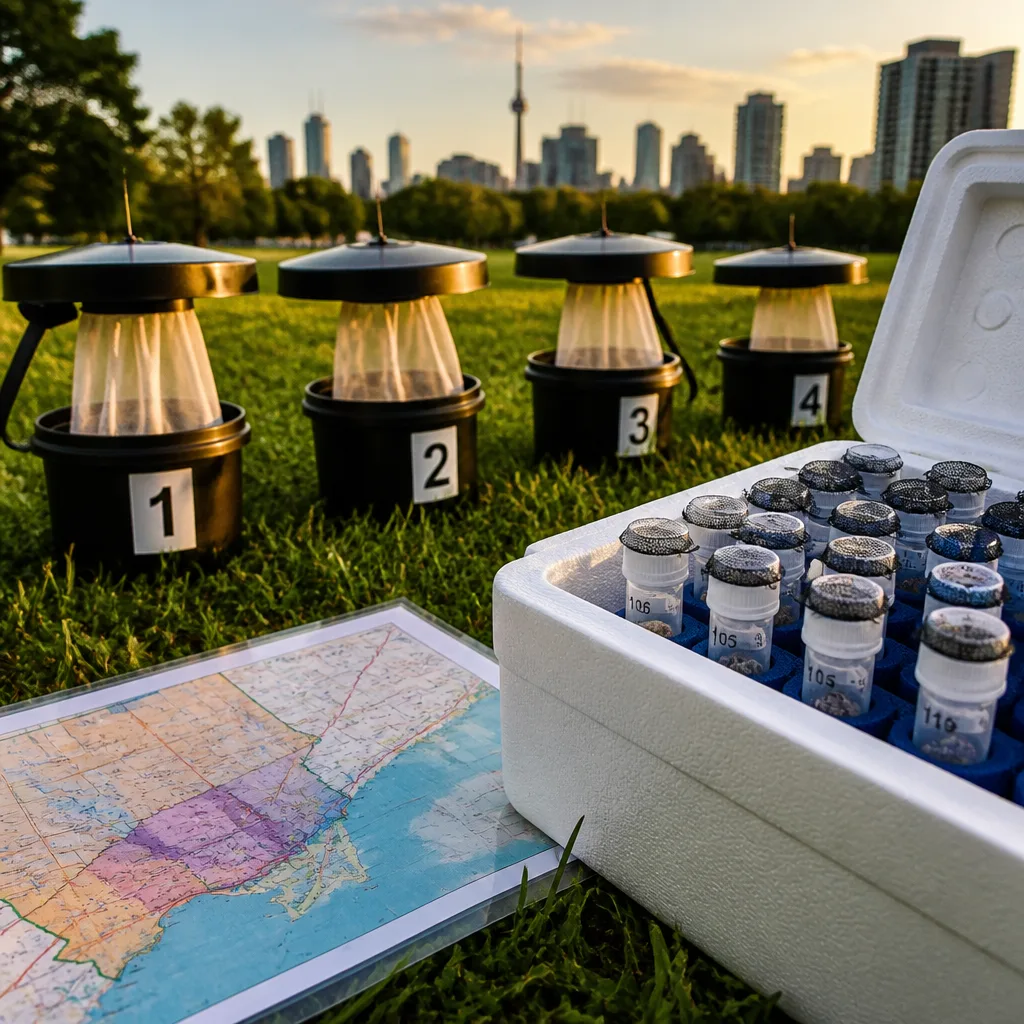
Toronto Public Health conducts routine mosquito surveillance from mid‑June through mid‑September. Twenty‑two traps are placed across the city each week to collect specimens, which are then identified and sent to a laboratory for testing. The municipality confirmed that one of those weekly batches returned a positive result.
Neighbouring regions also report positives
York Region and Halton Region have separately reported their first positive mosquito tests of the summer. York Region said positive samples were found in two traps located in Markham, while Halton reported its first positive finding on July 2. York Region’s confirmation was issued on a Thursday this week.
| Region | First confirmed positive (this summer) | Notes |
|---|---|---|
| Toronto | Recent (first of year) | One mosquito batch tested positive; surveillance uses 22 weekly traps |
| York Region | Confirmed this week | Positives from two traps in Markham |
| Halton Region | July 2 | Region noted mosquitoes with virus are more common in urban areas |
What this means for the public
Health units stress that West Nile virus is transmitted to people through bites from infected mosquitoes. Most infections do not produce symptoms, but some people can develop fever, headache, muscle aches, nausea and skin rashes. A minority progress to more serious illness involving the central nervous system; older adults and those with weakened immune systems are at higher risk of severe outcomes.
“Recover completely,”
The region statements emphasise that while the majority of infected people recover completely, a subset can develop severe disease. Public-health authorities in Toronto, York and Halton recommend precautions to reduce mosquito bites and breeding around homes.
- Wear long sleeves and pants and use insect repellent when outdoors, especially at dawn and dusk.
- Remove standing water where mosquitoes breed — empty containers, clear gutters and change water in birdbaths frequently.
- Ensure screens on windows and doors are intact to keep mosquitoes out of living spaces.
These detections are part of routine seasonal surveillance. Public-health units will continue trapping and testing through the late summer period and will issue further updates if additional positive samples or human cases are identified.
Health officials advise anyone who develops concerning symptoms after a mosquito bite to consult a health provider. The agencies also remind residents that community measures to reduce mosquito populations remain the most effective way to limit West Nile virus transmission.