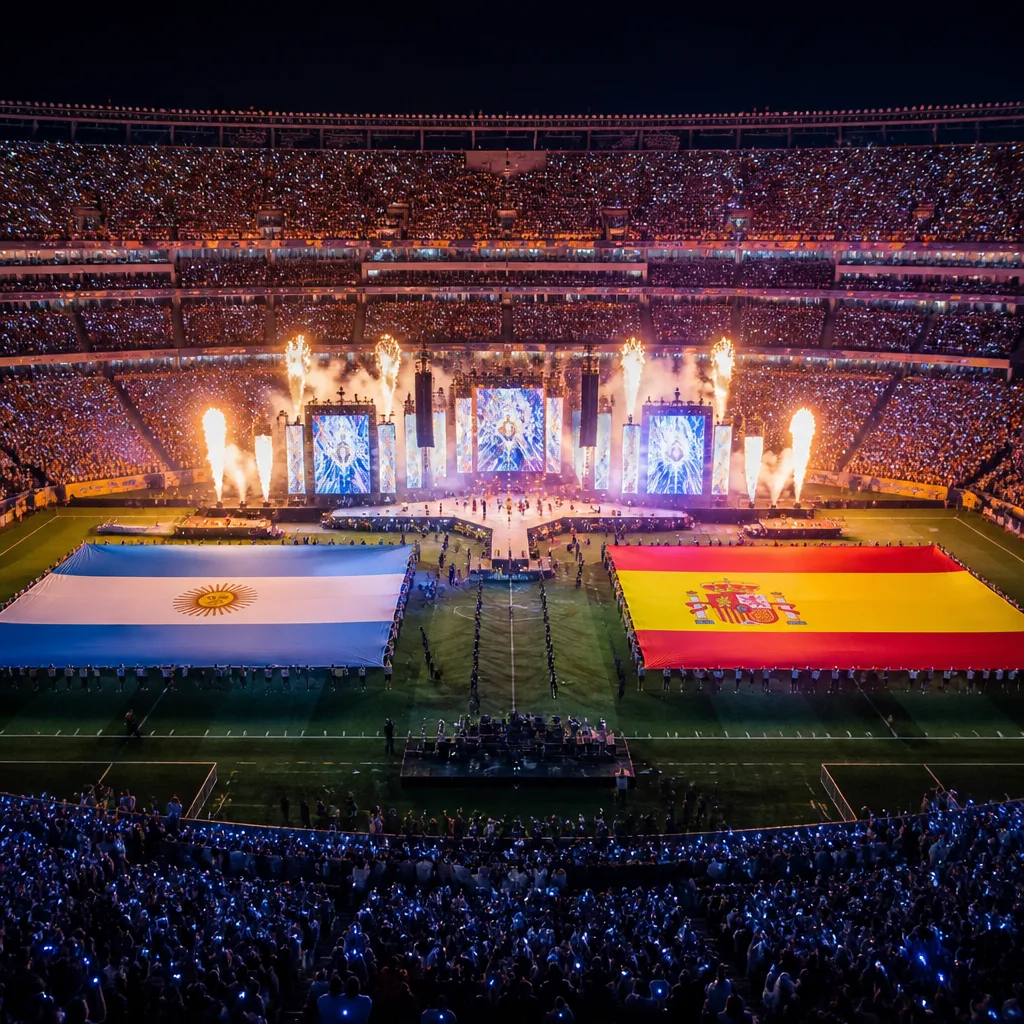
FIFA will cap a 39‑day run of stadium spectacle with the first halftime performance in World Cup Final history on Sunday, July 19, at MetLife Stadium in East Rutherford, N.J., where defending champions Argentina face a surging Spain. The programme crowns an ambitious in-venue entertainment plan that stretched across 16 venues in three countries, blending global star power with local flavour and new ritual.
In a wide-ranging discussion, Lance Brass, FIFA’s Head of Event Production and Stadium Entertainment, outlined the creative and logistical effort behind transforming matchdays into full-scale productions. Over the past five-and-a-half weeks, organisers staged live performances at each host nation’s opening match, reimagined player walkouts with outsized flags and pyrotechnics, and curated tributes to fan traditions from every participating country—an exercise in scale that demanded both precision and flexibility.
A first for the Final: pop giants at halftime
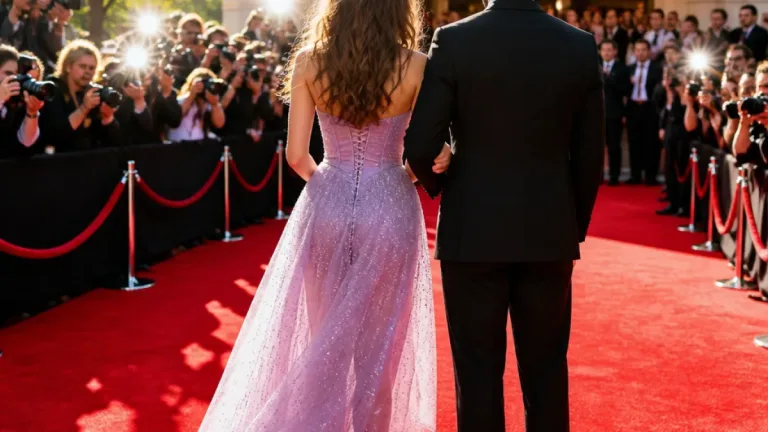
The Final introduces a new wrinkle: a concert-style halftime show featuring Justin Bieber, BTS, Madonna and Shakira. It marks a notable departure for a tournament that typically lets the football stand alone between whistles. Here, the ambition is clear—merge a global broadcast moment with an in-stadium experience timed to the minute, while safeguarding the pitch and ensuring players’ return to play proceeds without disruption.
| Event | Details |
|---|---|
| Match | Argentina vs. Spain |
| Date | July 19 |
| Venue | MetLife Stadium, East Rutherford, N.J. |
| Halftime performers | Justin Bieber, BTS, Madonna, Shakira |
Designing a 16‑venue canvas
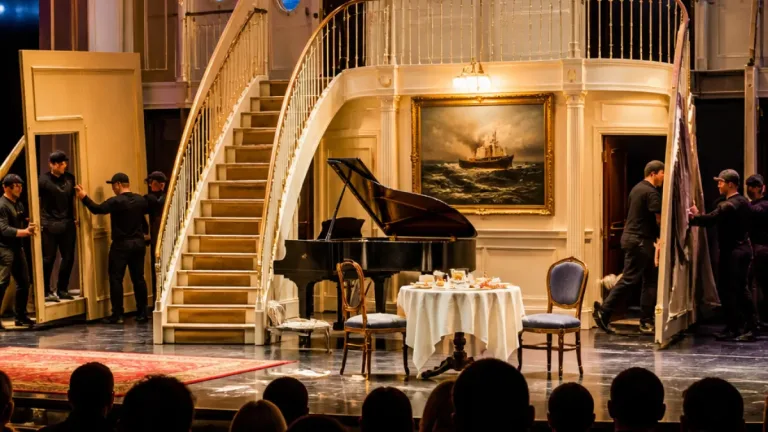
Brass described the undertaking as a carefully tiered operation: crews engineered swift set changes; lighting and pyro were synchronised to broadcast cues; and custom elements were tailored so each city’s identity could surface in the programming. The approach was less about a one-size template and more about a federation of shows stitched together by common musical motifs and visual signatures.
- Opening ceremonies at each host nation’s first match featured live performances.
- Player introductions were overhauled with gigantic flags and pyrotechnics.
- Fan traditions were honoured and new matchday rituals created to deepen engagement.
- Music served as a throughline inside venues, reinforcing tempo before, during and after matches.
Co-ordinating that scope across three countries meant powering different stadiums with varying technical baselines. Production teams had to reconcile local regulations, crew compositions and equipment pathways while maintaining a recognisable aesthetic. The payoff was a tournament atmosphere that treated the concourse, stands and pitch as a single performance environment.
Music as architecture
Within the bowl, audio was more than ambience. Brass emphasized how sound design shaped crowd energy and narrative—escalating pre-kickoff anticipation, punctuating major moments, and guiding spectators through ceremonies. Recurrent musical cues helped unify the experience from city to city, while local elements—chants, regional rhythms, and supporter customs—were woven in to keep each stop distinct.
Precision against the clock
The Final’s halftime raises the stakes on timing. Load-in and load-out windows are unforgiving; equipment must move with split-second choreography to preserve the integrity of the playing surface and ensure teams return on schedule. For a tournament predicated on rhythm, the show’s success will rest on invisible mechanics: power redundancy, stage mobility, cueing systems and safety protocols that make spectacle appear effortless.
As Argentina and Spain step into the last matchday, the entertainment architecture built around them has already reframed what a football tournament can feel like inside the stadium. Whether it’s the flare of pyro at player introductions or the promise of a history‑making halftime, FIFA’s 2026 production blueprint has aimed to anchor the sport’s biggest fixtures inside a broader live experience—one where the game remains the centrepiece, and everything else heightens the view.