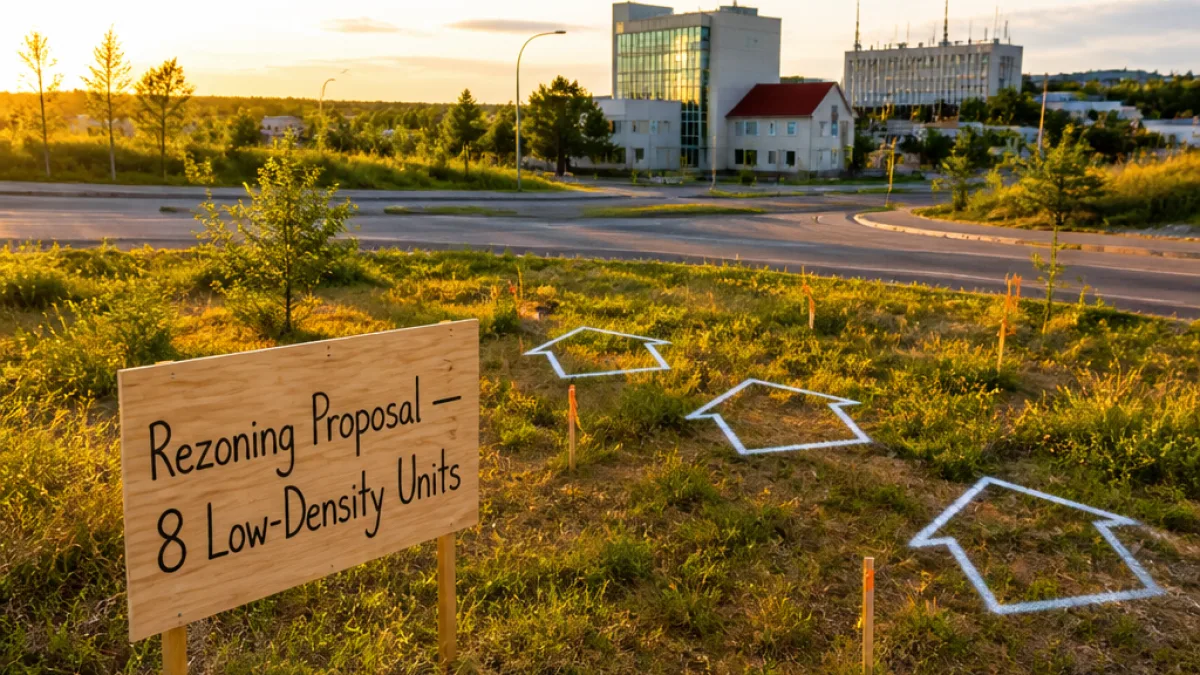
Yellowknife city council found itself at the centre of a neighbourhood dispute on Wednesday as councillors considered an amendment that would rezone a natural parcel in the Burwash area to allow for eight low-density housing units. The proposal has opened a wider discussion about how the city can meet housing demand when so little land is directly under municipal control.
Infill pushed as immediate housing tool
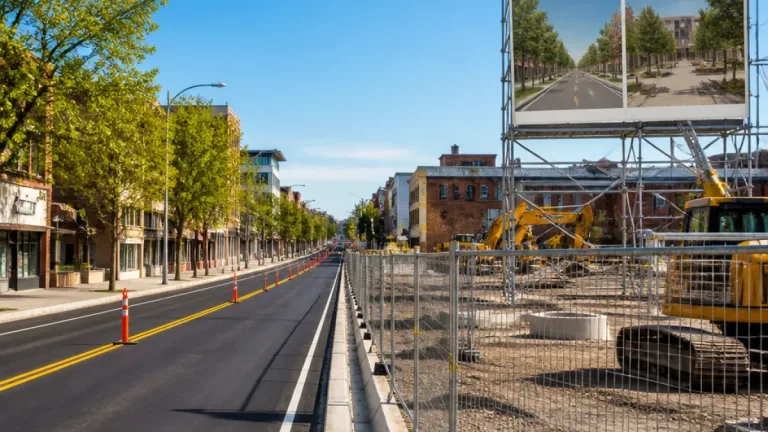
Councillors supporting the change argued that infill development is one of the few realistic short-term options for increasing housing supply. The parcel under discussion sits between Burwash Drive, Con Road and Rycon Drive, and supporters note it is already serviced by the city's infrastructure.
- Vacancy pressure: Council members cited an extremely low vacancy rate — described in the hearing as 0.03 per cent — as a driving factor behind the push for infill.
- Land constraints: The city represents over half of the Northwest Territories population but controls less than one per cent of the land inside its limits, limiting options for expansion without territorial or other jurisdictional transfers.
- Proposal specifics: The bylaw amendment would rezone the natural area to permit the construction of eight low-density residential units.
Neighbourhood concerns and legal questions
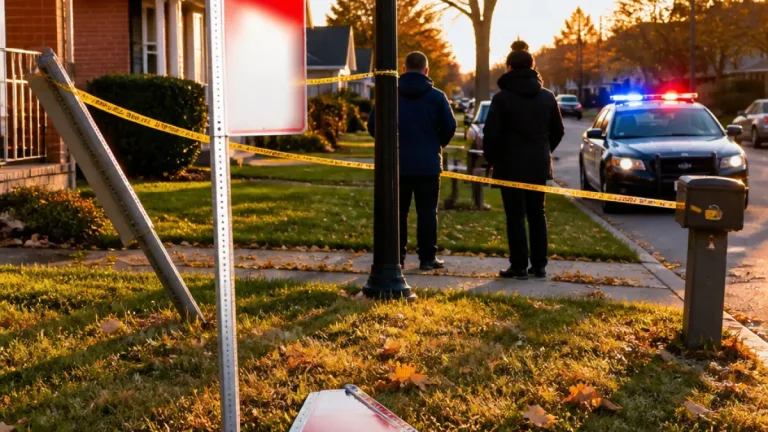
Opposition at the hearing came mainly from nearby residents who say the land in question is protected under existing parkland bylaws. A local lawyer who lives in the area presented a legal challenge, arguing the rezoning conflicts with the city's own park protections.
"The bylaw directly conflicts with active parkland bylaws,"
The public hearing turned into a debate over municipal definitions and the proper procedure for reconciling competing bylaws. Residents asked council to consider whether approving the rezoning would set a precedent for other green spaces and questioned whether appropriate legal steps had been taken.
What this means for Yellowknife
The discussion highlights a persistent bottleneck for growth in Yellowknife: expanding housing supply within a constrained municipal land base while balancing neighbourhood protections and legal frameworks. Council members said infill is attractive because it allows development on sites that are already connected to roads and utilities, avoiding lengthy negotiations for new land transfers.
| Item | Detail |
|---|---|
| Location | Between Burwash Drive, Con Road and Rycon Drive |
| Proposed change | Rezoning of natural area for eight low-density housing units |
| Key council points | Infill as practical response; vacancy rate cited at 0.03% |
| Key opposition point | Alleged conflict with parkland bylaws; legal challenge presented |
The outcome of the amendment will shape how the city navigates similar trade-offs in the near term. As Yellowknife continues to confront a tight housing market, council must balance immediate supply needs against neighbourhood expectations and existing protections for green spaces.
The rezoning debate underscores how local land-use decisions in Yellowknife touch on broader jurisdictional and legal questions that will likely resurface as the city seeks ways to grow.