Wildfire risk intensifies in the Northwest Territories
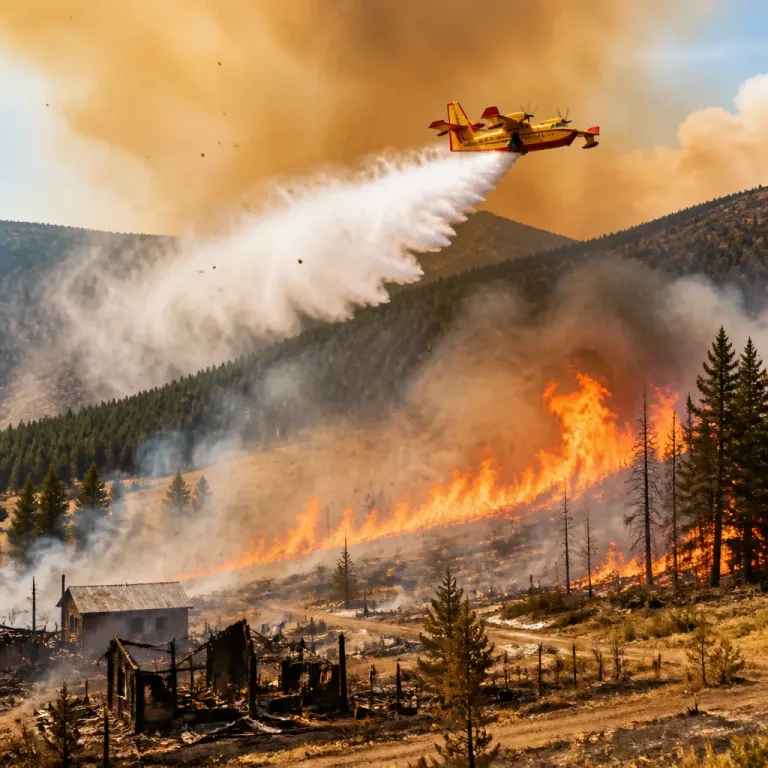
Fire activity in the Northwest Territories ticked up again over the weekend, with nine new fires reported and a total of 200 active wildfires across the territory, according to the latest figures from the territorial government. Officials say more than 190 of those fires remain out of control, underscoring a volatile situation that could worsen as weather systems move through.
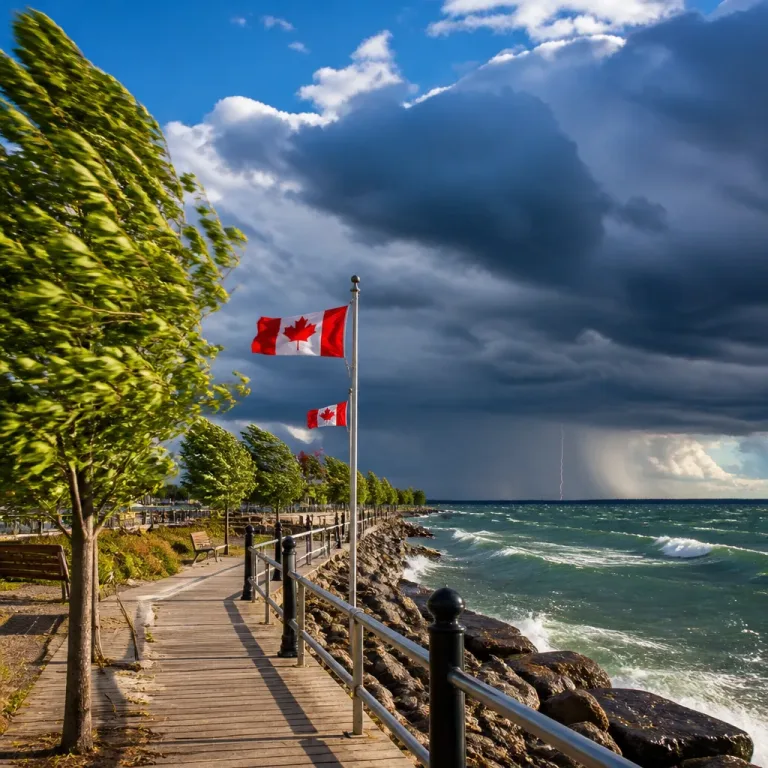
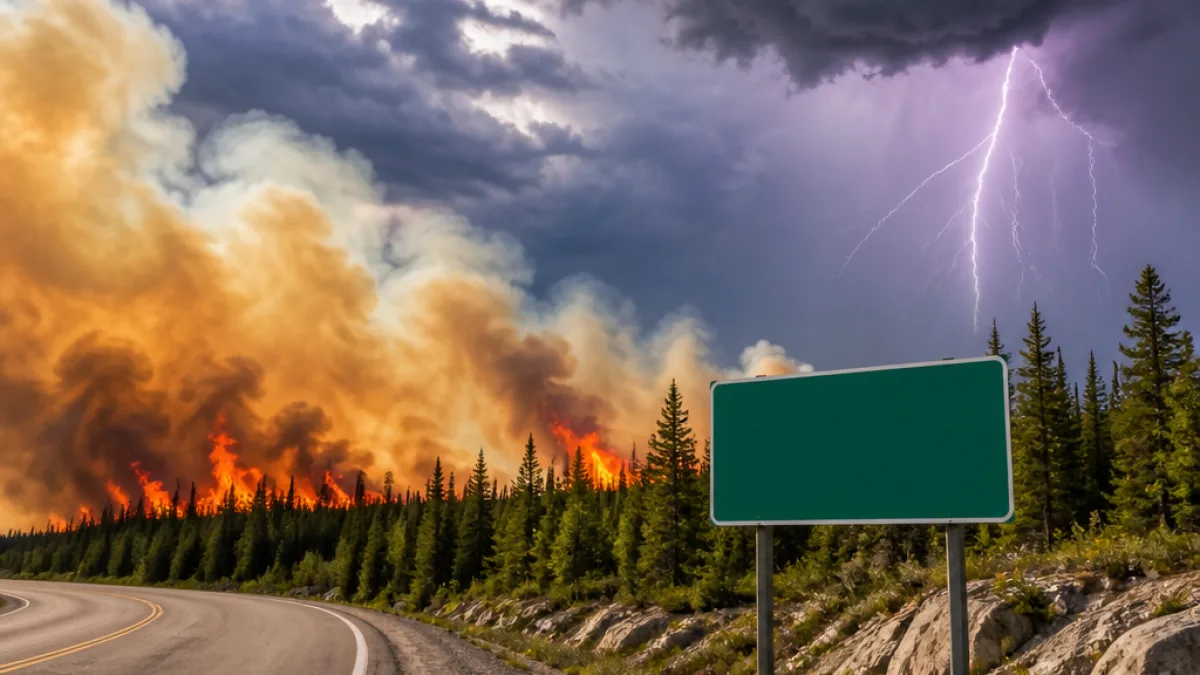
Fire crews are watching the forecast closely. A risk of thunderstorms on Sunday raised the prospect of new lightning-caused starts, while gusty winds threatened to fan existing flames. Those conditions are a difficult combination for firefighting efforts, potentially pushing smoke and fire behaviour in unpredictable directions.
What we know right now
- Active fires: 200 across the Northwest Territories.
- Out of control: 190+ currently not contained.
- Weather factor: Thunderstorm activity and winds could both spark and spread fires.
Officials have not indicated new evacuation directives in the latest update for the NWT. Across the country, however, wildfires continue to prompt air quality warnings and emergency measures in various regions, with impacts shifting day by day as wind, smoke, and precipitation patterns change.
Air and travel impacts
Smoke conditions can change rapidly with the wind. Residents in communities across the territory should keep an eye on smoke forecasts and visibility. Shifting plumes can affect day-to-day routines—everything from outdoor work and recreation to scheduled flights in and out of smaller communities—especially when winds strengthen. Anyone who is sensitive to smoke, including children, older adults, and people with heart or lung conditions, may wish to limit strenuous outdoor activity when the haze deepens.
Because wildfire behaviour varies with terrain and wind, localized conditions may differ even within the same region. That means two communities a few dozen kilometres apart can experience wildly different sky conditions within the same afternoon.
How the NWT compares nationally
The wildfire picture remains serious in several provinces as well, with active fires and smoke affecting communities far from the flames. Here’s how the latest snapshot from across Canada lines up with the NWT numbers:
| Region | Active wildfires (latest noted) | Status highlights |
|---|---|---|
| Northwest Territories | 200 | 190+ out of control; thunderstorms and winds a concern |
| British Columbia | 107 | Signal Hill Wildfire near Pemberton classified as being held; some alerts and orders remain |
| Ontario | nearly 200 | Province enabling local use of national alerting system as fires prompt evacuations |
| Manitoba | — | Wildfires out of control; widespread air quality warnings in the north |
| Nova Scotia | — | Crews continue to battle an out-of-control wildfire northeast of Halifax |
The national context matters for the NWT, because smoke from large fire clusters—whether inside the territory or in neighbouring provinces—can drift long distances and degrade air quality even on days without nearby fire activity. Conversely, rainfall in one region may do little to ease conditions elsewhere.
Staying informed and prepared
With multiple fires out of control and weather adding uncertainty, it’s a good time to double-check your information sources and readiness. Practical steps for the days ahead include:
- Monitor territorial wildfire updates and maps for the latest on fire locations and status.
- Follow Environment and Climate Change Canada’s advisories for air quality and weather.
- Keep devices charged and ensure you can receive emergency alerts if issued by authorities.
- Review household plans for a rapid departure if conditions require, including essentials and medication.
In a season where a thunderstorm can swing conditions within hours, small preparations can ease the strain of fast-changing smoke and travel conditions. With 200 active wildfires already on the NWT’s books and 190+ still not contained, officials are signalling that the coming days will require patience, caution, and close attention to the latest guidance.