Coast-to-coast fire activity raises northern concerns
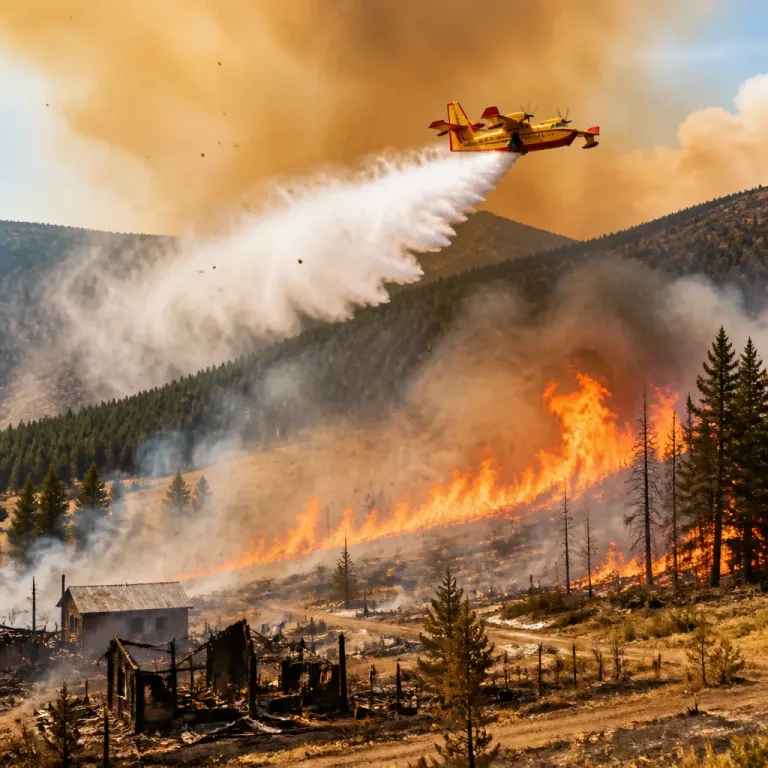
Wildfire conditions across Canada are drawing renewed attention to smoke and travel impacts in the North, as reports highlight a busy mid-July fire picture from Atlantic Canada to the Pacific coast. A national roundup published by CTV News, citing The Associated Press, underscores how quickly the season has sharpened in several provinces and the knock-on effects that can travel far beyond the flames themselves.
Among the developments cited in the report is the Mooseland Road wildfire in Nova Scotia, burning roughly 100 kilometres northeast of Halifax, and a surge in British Columbia where the provincial tally has climbed past 100 active fires. Quebec’s forest agency has also reached outside the country for reinforcements as crews work to keep up with new ignitions and holdovers.
“SOPFEU calls on American, French firefighters for help fighting wildfires.”
While the update focuses on multiple provinces, communities in the Northwest Territories are not insulated from the broader picture. Smoke from distant fires can move north on changing winds, affecting visibility and outdoor plans even when there are no fires nearby. Interprovincial travel corridors—by air and road—may also see schedule adjustments or detours when conditions deteriorate, adding another layer of planning for residents heading south for medical appointments, seasonal work or family visits.
What the roundup highlights
- Atlantic Canada: A significant fire near Mooseland Road in Nova Scotia, northeast of Halifax.
- British Columbia: A rapid jump to more than 100 fires as lightning accelerates the season.
- Quebec: The provincial agency has requested international firefighting assistance.
The snapshot also notes wildfire pressures in parts of northern Ontario, where provincial leadership has been on the ground, and mentions regional counts elsewhere in Canada. These developments point to a pattern that northerners know well: hot, dry stretches paired with lightning can shift the season from quiet to active in a matter of days.
Why this matters in the Northwest Territories
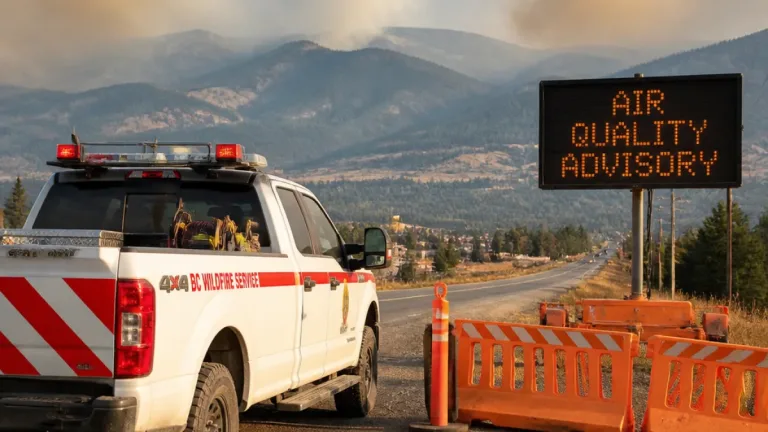
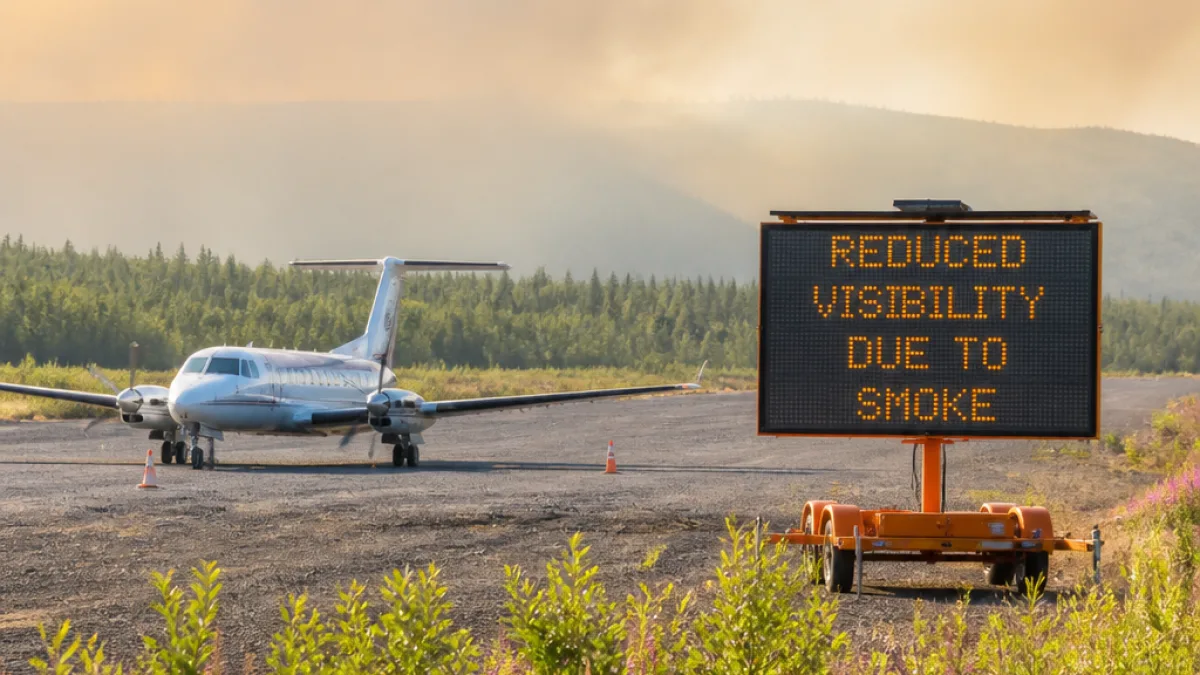
Even when the flames are far away, smoke can travel hundreds or thousands of kilometres. For residents across the N.W.T., that can mean reduced air quality, haze on the horizon and changing conditions that affect day-to-day life. It also adds complexity for pilots and carriers serving remote communities, where weather windows are tight and schedules depend on safe visibility.
Authorities across Canada have emphasized the importance of staying alert to changing wildfire and smoke conditions. For northern households, that often means keeping a go-bag with basic needs, checking local advisories before hitting the road or booking intercity travel with a margin for possible delays. Communities with outdoor workforces—construction, mining support and wildfire crews—tend to track smoke forecasts closely to plan shifts and adjust workloads when air quality dips.
Signals to watch for in the days ahead
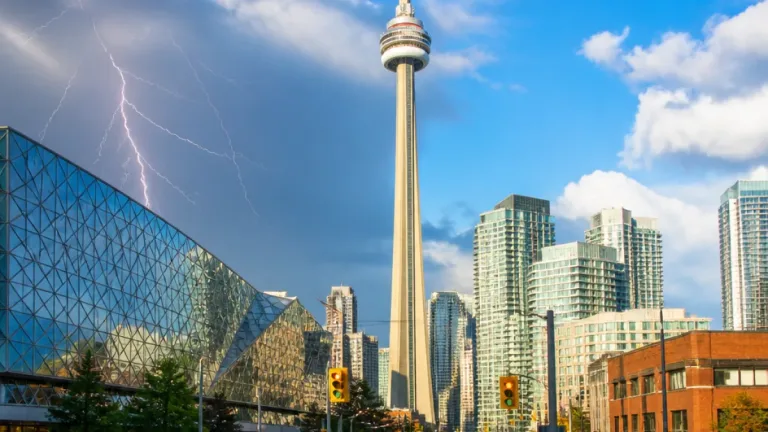
Weather drives much of the fire story. Lightning outbreaks, gusty winds and prolonged heat are familiar triggers that can cause a swift uptick in new starts. Conversely, cooler, wetter systems can buy crews time to build lines and secure hot spots. The national roundup points to an especially active period in western and central Canada tied to thunderstorms, and to operational strains that come with stretching resources across multiple regions at once.
| Region mentioned | Key development |
|---|---|
| Nova Scotia | Mooseland Road wildfire about 100 km northeast of Halifax |
| British Columbia | Provincial wildfire count surpasses 100 |
| Quebec | International crews requested to assist firefighting efforts |
For northern readers, the immediate takeaway is straightforward: conditions can change quickly, and what happens in one part of the country can influence smoke and travel far to the north. Keeping an eye on local advisories, watching the forecast and allowing extra time for travel are small steps that can make a difference when fire activity spikes elsewhere in Canada.
This is a developing national situation. InfoRadar will continue to monitor wildfire updates across provinces and territories and report on any direct impacts to communities in the Northwest Territories.