Economic pivot gains urgency as legacy operations sunset
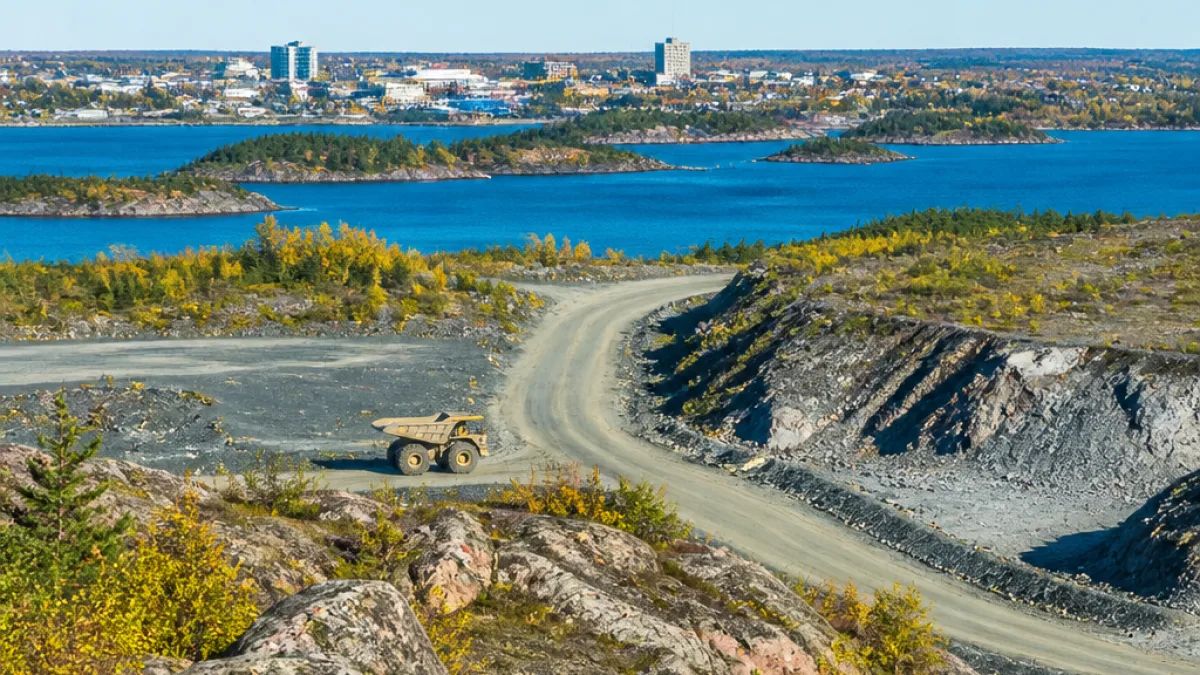
The Northwest Territories is staring down the end of several cornerstone resource operations while trying to seize a new opening in the Arctic economy. With the population just over 45,000, the territory has leaned for decades on diamonds and oil. Now those engines are cooling, and leaders are pointing to critical minerals, new northern infrastructure and emerging Arctic shipping lanes as the next chapter.
According to reporting on remarks by Premier R.J. Simpson, diamond mining — the biggest piece of the territorial economy — is contracting. Rio Tinto is closing the Diavik mine this month, while Burgundy Diamond Mines paused part of its Ekati operations last year, prompting several hundred layoffs. On the oil side, Imperial Oil plans to wind down production at Norman Wells later this year. Those changes land hard in communities across the North that have supplied workers, goods and services to the mines for a generation.
Security focus and critical minerals put the North in the frame
A confluence of geopolitical and market forces has put the Arctic back on the national agenda. Melting sea ice is extending seasonal shipping windows, and allied countries are paying closer attention to northern security and supply chains. The global push to secure critical minerals used in defence systems and electronics is also spotlighting deposits across the Canadian Shield, including in the N.W.T.
Simpson suggested the door is opening to new trade patterns in the polar region, even floating the possibility of future icebreaker-enabled LNG exports to Asia. That concept remains long-term, but it signals the scale of ambition behind the territory’s bid to plug into northern maritime routes as they evolve.
Major projects pitched as the backbone of a transition
Infrastructure is the hinge on which much of this pivot turns. Ottawa has advanced multiple N.W.T. proposals to the Major Projects Office, a mechanism intended to smooth financing and regulatory pathways. Earlier this month, Prime Minister Mark Carney visited Yellowknife and, according to the report, announced $32 billion to strengthen Arctic defences — part of a wider federal push in the region.
Two projects loom large in territorial planning:
| Project | What it is | Potential impact |
|---|---|---|
| Mackenzie Valley Highway | Approximately 800‑km road linking Yellowknife and Inuvik | Improves year-round access, lowers transport costs, supports exploration and communities |
| Grays Bay Road and Port | All-season road tied to a deep‑water Arctic port | Creates export corridor for minerals and resupply, connects to emerging Arctic shipping |
Both would reshape logistics across the North — extending construction and maintenance jobs, shortening supply chains and making it more viable to move ore, fuel and groceries. They also carry complex permitting requirements and will require collaboration with Indigenous governments and northern businesses.
Workforce questions and near-term realities
The slowdown at the diamond mines and the approaching Norman Wells shutdown raise immediate questions for workers and contractors. Communities that service fly‑in/fly‑out shifts, outfit winter roads and warehouse supplies are bracing for fewer rotations and reduced demand until new projects take hold. Territorial officials have indicated that the near‑term focus will be on stabilizing employment, sustaining local suppliers and preparing for a pivot to exploration, remediation and infrastructure builds.
For residents, the practical implications include:
- Job transitions: Opportunities may shift from mine production to site reclamation, exploration and civil construction tied to proposed roads and ports.
- Training and certification: Workers may look to upgrade tickets relevant to heavy equipment, environmental monitoring and transportation logistics to stay competitive.
- Business planning: Northern suppliers may face a gap between mine wind‑downs and new project mobilization; bridging cashflow and diversifying clients could be critical.
Premier signals cautious optimism
Despite the headwinds, Simpson has framed the moment as a chance to reset expectations and align the territory with long‑term trends in energy, security and critical minerals. In a video interview cited in the report, he acknowledged the uncertainty many families are feeling while urging residents to consider what the next economy might bring.
“We’ve got the diamond mines winding down, Norman Wells down, and now people are saying, well, now what?”
The answer, in his view, lies in marrying resource potential with transportation and power infrastructure so that new projects can clear the costs and timelines that have long challenged northern development.
What comes next
As federal departments assess the territory’s submissions through the Major Projects Office, the key milestones to watch will include environmental reviews, cost‑sharing agreements and early works on corridors. For communities, clarity on construction schedules and procurement will determine how quickly workers can move from one paycheque to the next. The territory’s capacity to coordinate permitting and support community‑led partnerships will shape whether the promise of critical minerals and Arctic trade becomes a broad‑based benefit or a distant prospect.
For now, the North stands at a crossroads: legacy sites are closing, and the blueprints for what replaces them are on the table. How quickly that paper turns into pavement, pilings and paydays will decide the pace of the Northwest Territories’ economic turnaround.