N.W.T. communities remain on alert as national wildfire season intensifies
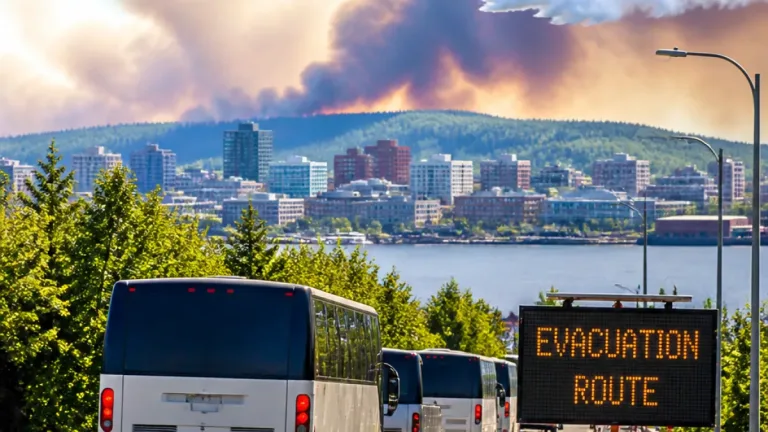
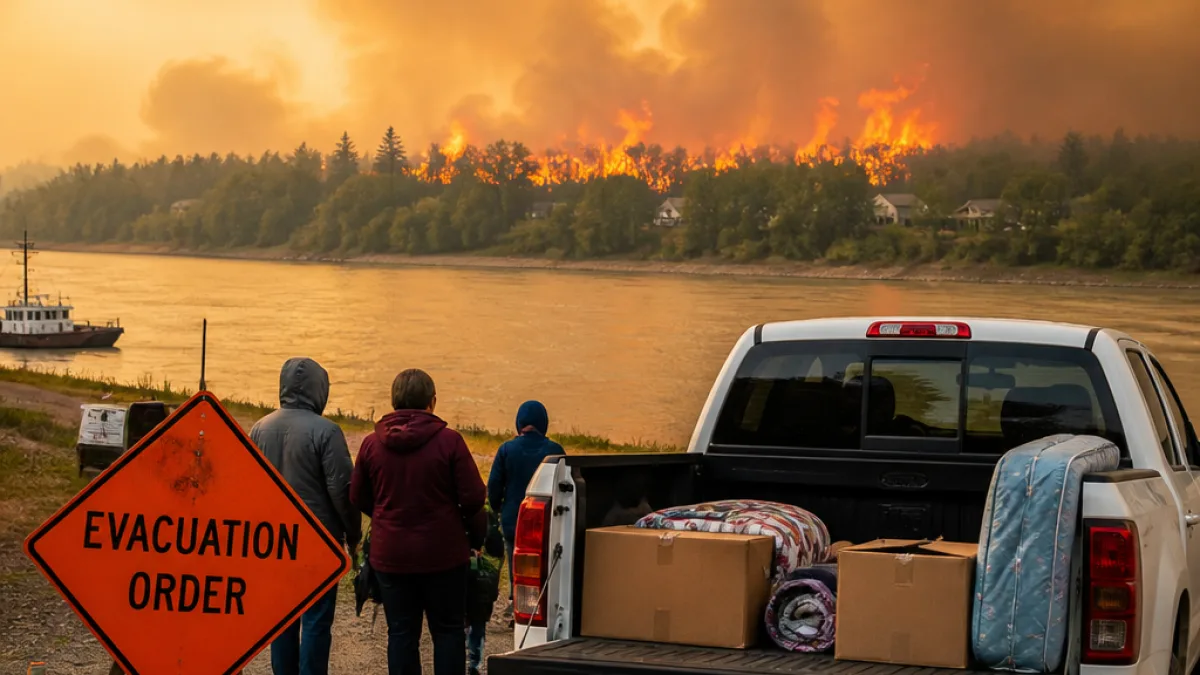
Residents from two Dehcho communities are still away from home as the Northwest Territories continues to grapple with a wildfire season that has spilled smoke and uncertainty across much of the country. Officials say roughly 1,300 people from Fort Simpson, west of Yellowknife, and about 130 residents from Wrigley left their communities in late June and have yet to return. Many evacuees are in the territorial capital while crews keep watch on fire activity nearby.
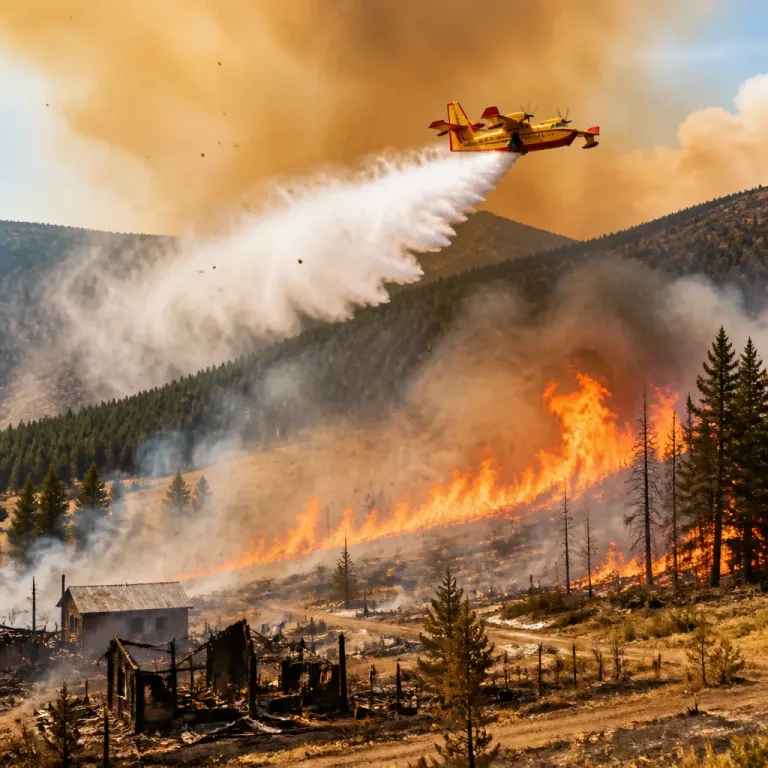
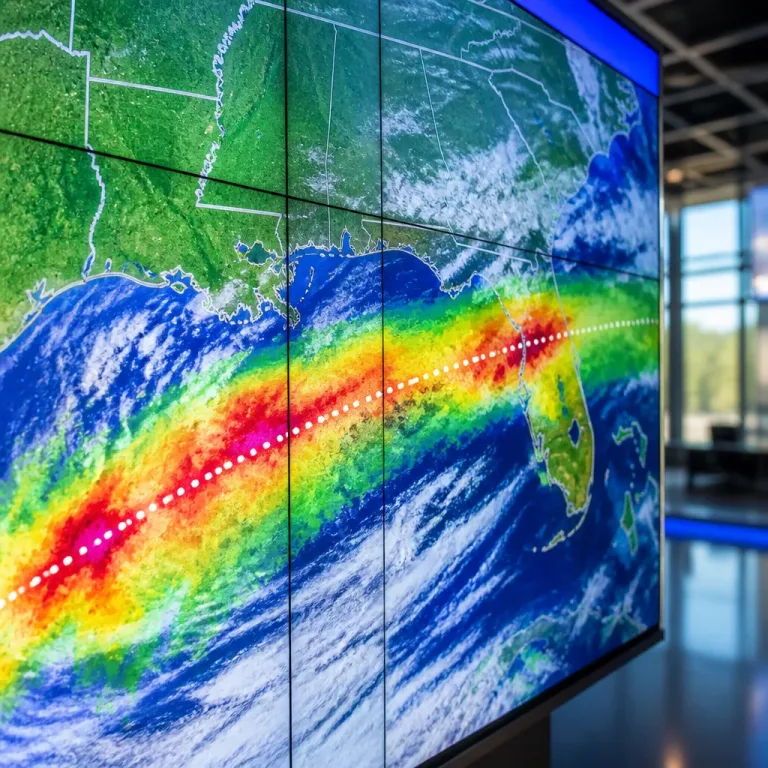
According to national wildfire summaries, more than 950 active fires are burning across Canada, with approximately 241 listed as out of control. That wider picture has direct consequences in the North. The fire north of Wrigley has edged closer to the community, though forecasters expect cooler conditions to lend a hand to firefighting efforts. The blaze threatening Fort Simpson also remains out of control, underscoring why officials have not lifted displacement measures.
Smoke and safety: what residents need to know
Environment Canada continues to issue air quality advisories as smoke drifts across regions from British Columbia through to Quebec. The same mix of haze and reduced visibility has been felt in the N.W.T., even when flames are not right at the doorstep. Authorities advise residents to monitor official alerts, limit strenuous outdoor activity when smoke concentrations are high, and check on neighbours who might be more vulnerable to poor air quality.
- Fort Simpson: evacuation remains in effect for approximately 1,300 residents.
- Wrigley: about 130 people displaced, with the northern fire moving closer.
- Air quality: advisories fluctuate with wind and regional fire activity; watch Environment Canada updates.
Wider pressures across provinces shaping northern conditions
The situation in the territory is part of a broader national emergency. British Columbia has nearly 115 active wildfires, many sparked by lightning. Two-thirds there are reported out of control, including a blaze near Big Bar Lake and Meadow Lake that led to an evacuation order covering roughly 140 properties in the southern Cariboo. Meanwhile, in Manitoba’s north, several uncontrolled fires have forced the evacuation of the O-Pipon-Na-Piwin Cree Nation, where about 600 people left as a fire spread over approximately 172 square kilometres. Ontario is also confronting a surge, with nearly 200 wildfires statewide and reception centres supporting evacuees.
As these fronts burn, the N.W.T. faces familiar knock-on effects: intermittent smoke, changing travel conditions, and uncertainty for families waiting on word about when it will be safe to return. Cooler temperatures forecast for parts of the North could temper fire behaviour. Even so, the out-of-control status near Fort Simpson and the north of Wrigley signals that conditions can pivot quickly, especially with wind shifts.
Local impacts and day-to-day adjustments
For evacuees in Yellowknife and other host communities, daily routines have narrowed to essentials—finding temporary accommodations, staying in touch with family, and tracking updates from territorial and community officials. For those still at home elsewhere in the Dehcho, the advice remains steady: be ready to follow local guidance, heed road advisories, and adjust outdoor plans when smoke levels rise.
In recent days, air quality statements have come and gone as winds push smoke plumes over different regions. That means residents could wake to clearer skies only to see conditions deteriorate by afternoon. Keeping a close eye on changing visibility and the smell of smoke is practical, especially for people with heart or lung conditions, children, and elders. Even short errands may call for extra planning when smoke thickens.
At a glance: N.W.T. and national context
| Location | Status/Impact |
|---|---|
| Fort Simpson | ~1,300 evacuees; nearby fire remains out of control |
| Wrigley | ~130 evacuees; northern fire has moved closer |
| Canada-wide | 950+ active fires; about 241 out of control |
| British Columbia | ~115 active fires; multiple air quality warnings |
| Manitoba (North) | 600 evacuees; ~172 km² burned in one major fire |
| Ontario | Nearly 200 fires; reception centres supporting evacuees |
Staying prepared as conditions evolve
While crews across the country and in the territory continue response efforts, residents can take simple steps to stay prepared: keep phones charged for alerts, plan ahead for any needed medications during smoky spells, and consider postponing long road trips if visibility worsens. With fires displaying unpredictable behaviour, the guidance can change within hours.
For now, the focus remains on keeping evacuees safe and informed while waiting for weather and fire activity to shift in the right direction. Cooler air may help on the edges, but until fire lines stabilize, patience and vigilance are still the order of the day for Fort Simpson, Wrigley and the communities lending them a hand.