Researchers and community advisers across the Northwest Territories are urging funders to adapt to Indigenous methods of research and communications, arguing that rigid grant rules make it difficult to run studies in ways that reflect local priorities and to share results back with communities.
Research mismatch
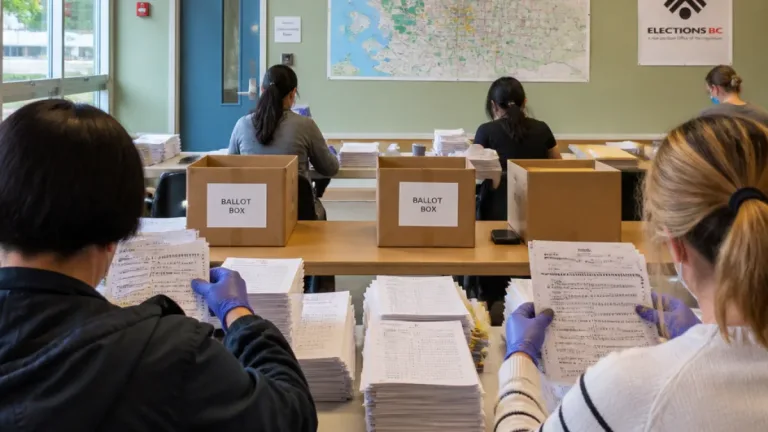
Across the territory, Indigenous harvesters, elders and cultural advisers are increasingly involved in academic projects. But several people who work on northern studies say conventional funding expectations — which tend to favour surveys, ballots and written reports — rarely recognise the value of gatherings, food sharing and story-based knowledge exchange.
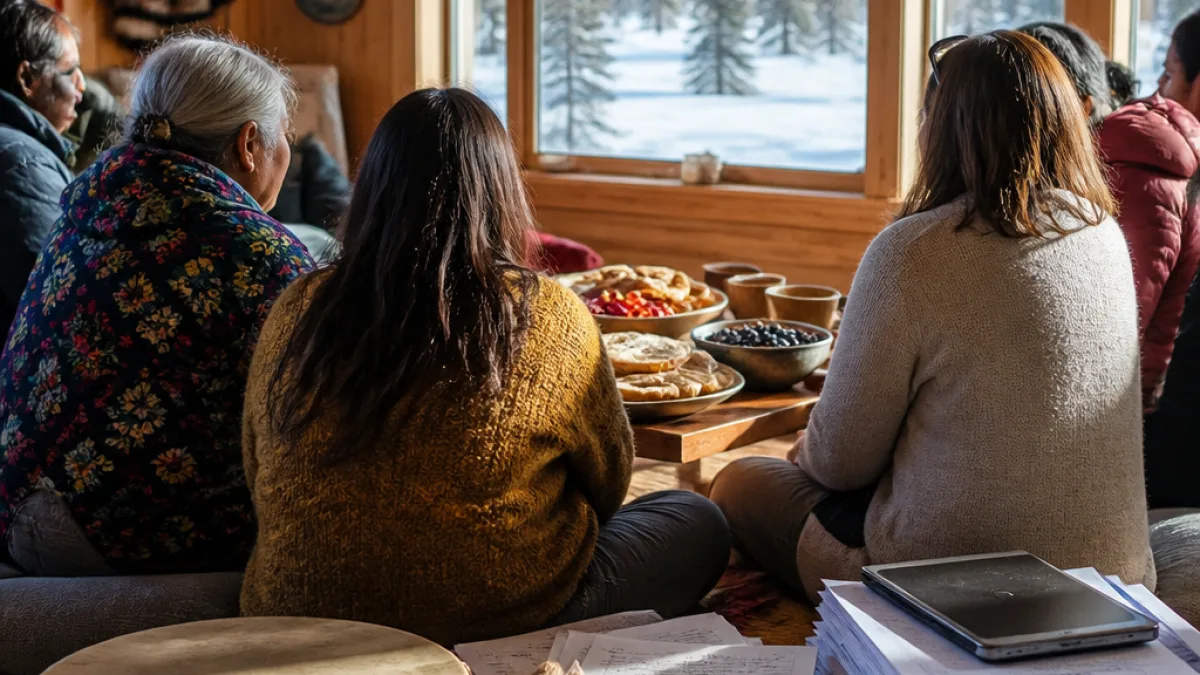
Lila Fraser Erasmus, owner of the consulting firm Bows and Arrows, was a cultural adviser on a territory-wide study of berry patterns. She described the project as bringing people together around food and conversation, methods she says are far more effective for many Indigenous communities than impersonal questionnaires.
“Being able to sit around the kitchen table, have some food and have some tea and then ask people, you know, what do you think about this?”
Fraser Erasmus told InfoRadar those kinds of meetings — informal, relational, and rooted in reciprocity — are often sidelined by non-Indigenous funders who expect standard survey instruments and crisp numerical outputs.
Impacts on knowledge sharing
Advocates say the funding gap has two consequences: first, researchers struggle to secure grants if they propose traditional methods; second, studies that do take place may lack resources to deliver findings back to communities in accessible formats. The result is research that can feel extractive rather than useful.
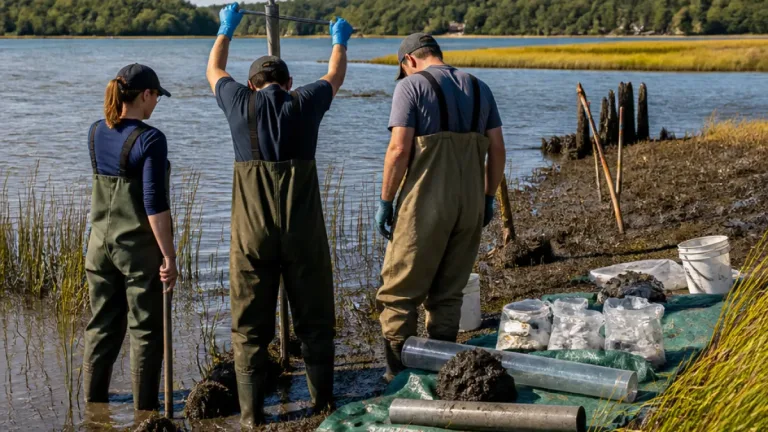
Heidi Swanson, a biology professor who has worked with communities on lake studies, has partnered with local groups to identify sampling sites and to look at fish mercury levels. Those collaborative approaches require time on the land and repeated conversations — activities that do not always fit neatly into grant item lists.
- Community gatherings are valued for contextual knowledge and relationship building.
- Traditional knowledge is increasingly present in academic projects but not always recognised by funders.
- Translation and reporting back to communities often lack dedicated funding, limiting local benefit.
What researchers are asking for
Those working in the North want funders to broaden allowable activities and budgeting, including support for:
- Time and resources for in-person gatherings, meals and travel between communities.
- Compensation and roles for cultural advisers, elders and harvesters.
- Flexible dissemination methods, such as community meetings, oral reports and local-appropriate materials.
| Typical funder expectation | Community-preferred approach |
|---|---|
| Standard surveys, written reports | Kitchen-table conversations, story-based knowledge sharing |
| Line-item travel limits | Flexible travel and hosting to gather participants across distances |
Researchers say adapting grant guidelines would not only respect Indigenous knowledge systems but also produce more usable, trustworthy findings. Laurie-Ann Lines, from the Institute for Circumpolar Health Research, noted the growing number of Indigenous scholars and cultural specialists working within academic frameworks, a trend that calls for funders to modernize their expectations.
For residents of the N.W.T., the debate matters because it shapes which questions get studied and how results are translated into decisions about harvesting, food safety and local health. When studies are designed with community methods in mind, participants say the outcomes are more relevant and easier to act on.
As researchers and funders continue conversations, community members and advisers alike expect clearer recognition of Indigenous methodologies in funding calls, and concrete budgetary support for the labour required to convene, listen and share results in culturally appropriate ways.
InfoRadar will follow developments as northern researchers and granting bodies discuss how to align funding practices with community-centred research in the Northwest Territories.