Evacuations extend into second half of July as Dehcho wildfire risk stays high
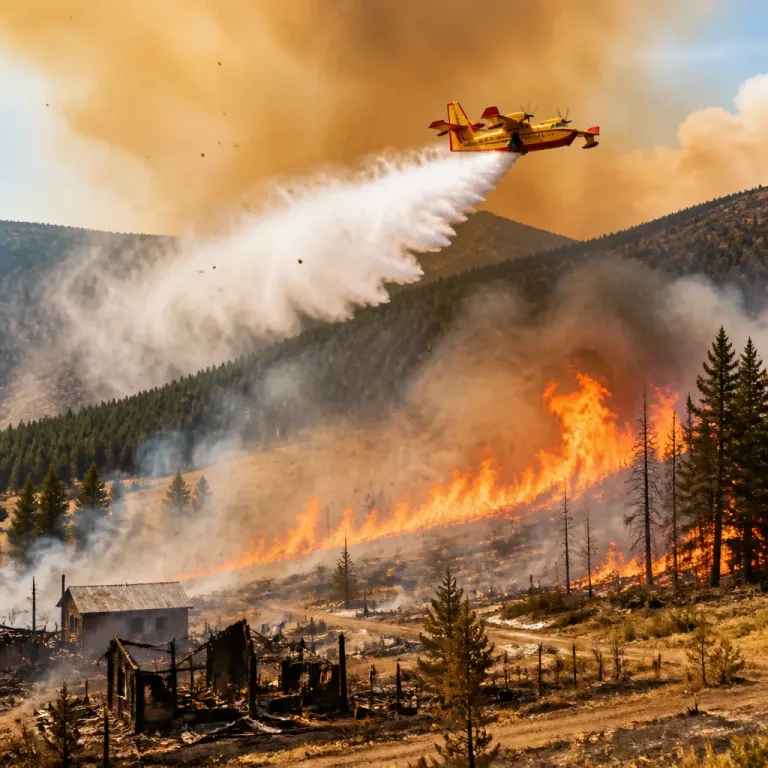
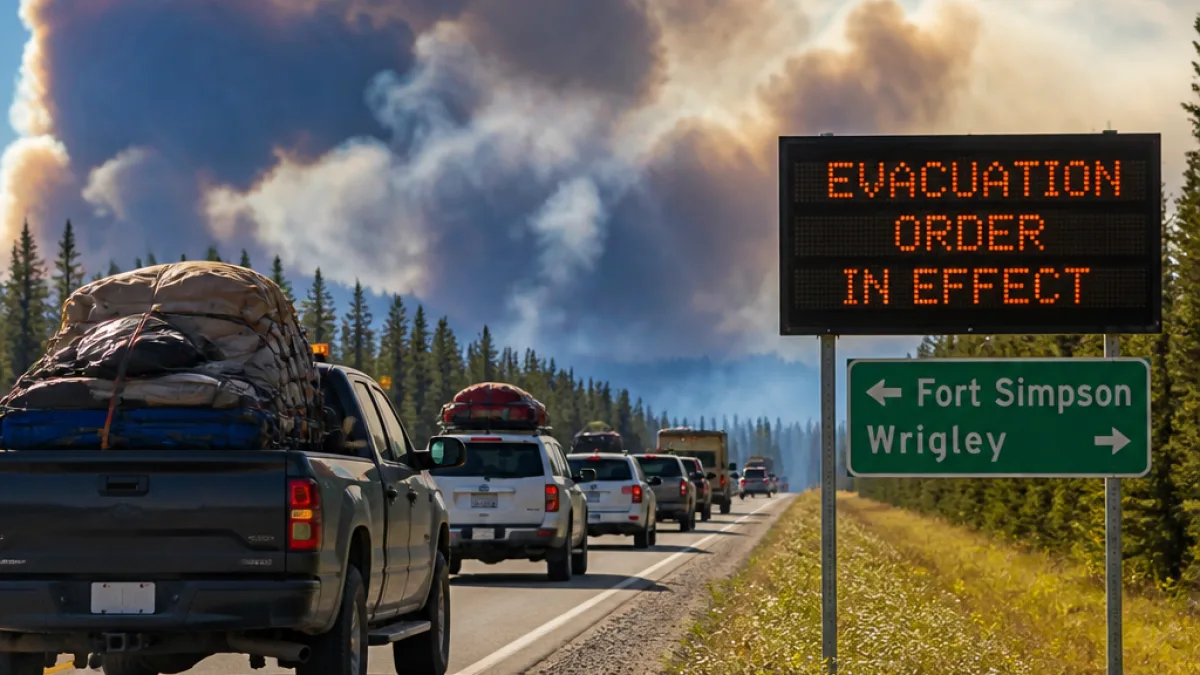
Hundreds of residents from two Dehcho communities remain away from home as an out-of-control wildfire near Fort Simpson continues to burn and a separate blaze north of Wrigley shifts closer, according to national and territorial fire updates.
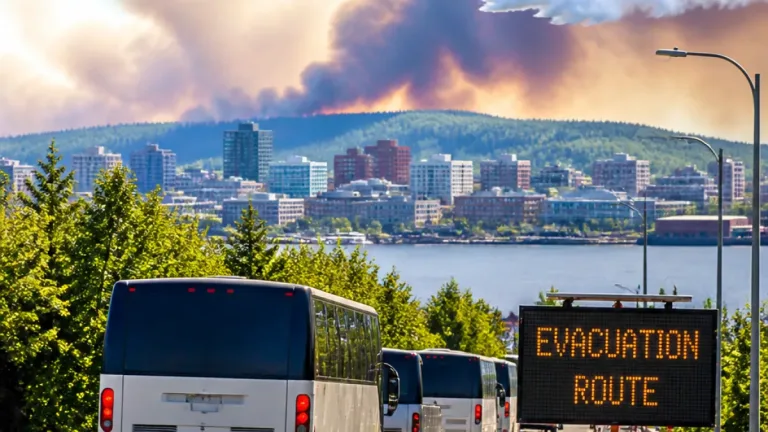
Officials say about 1,300 people from Fort Simpson and 130 from Wrigley were ordered to leave in late June. Many evacuees are in the N.W.T. capital while crews monitor changing conditions. Cooler temperatures are expected to help moderate fire behaviour, but authorities report the fire near Fort Simpson remains uncontained.
This northern situation is unfolding amid a punishing fire season across Canada. The country is seeing more than 950 active wildfires, with roughly 241 listed as out of control, prompting air quality advisories in multiple provinces. While those national numbers tell a big-picture story, the practical reality in the N.W.T. is immediate: families are waiting, day by day, to learn when it is safe to return to their homes.
What we know so far
- Evacuations from Fort Simpson and Wrigley have been in place since late June; many residents remain displaced in Yellowknife.
- The wildfire near Fort Simpson is still classified as out of control; a fire north of Wrigley has moved closer to the community.
- Forecasters expect cooler weather to assist firefighting and slow growth, though conditions can shift quickly.
Environment Canada has issued widespread air quality advisories across several provinces this week as smoke drifts long distances. While the advisories vary by location and day, northerners are urged to keep a close eye on local bulletins and to check in on people sensitive to smoke, including seniors, young children, and those with heart or lung conditions.
How the North fits into a national fire picture
Communities in the N.W.T. are not alone in navigating wildfire risk and displacement this month. Large, fast-moving fires and smoke are also affecting Manitoba, British Columbia and Ontario. The scope across jurisdictions provides context for the pressures on crews, reception centres and support systems across the country.
| Jurisdiction | Current snapshot |
|---|---|
| Northwest Territories | Approx. 1,300 evacuees from Fort Simpson and 130 from Wrigley since late June; Fort Simpson fire remains out of control; cooler temperatures expected to assist. |
| British Columbia | Nearly 115 active fires; most sparked by lightning; evacuation order for about 140 properties near Big Bar Lake and Meadow Lake; more than 500 firefighters assigned. |
| Manitoba | Multiple out-of-control fires in the north; about 600 people evacuated from O-Pipon-Na-Piwin Cree Nation; one wildfire estimated at 172 square kilometres. |
| Ontario | Nearly 200 active fires; provincial crews and aircraft deployed, including over 150 crews and more than 80 water bombers; reception centres set up for evacuees. |
Day-to-day realities for evacuees
For people from Fort Simpson and Wrigley, the wait is stretching into weeks. Families are juggling work schedules, childcare and health appointments while away from home, keeping in contact with relatives still dispersed across the territory and beyond. The basic questions—when it’s safe to travel, what the smoke will be like tomorrow, where to access services—shape every day.
Residents are being asked to follow official updates for evacuation status, transportation options and community supports. While each fire behaves differently, cooler weather can help tamp down intensity and give frontline crews a better chance to hold lines. The situation remains fluid, and authorities caution that wind and dryness can change conditions with little notice.
Air quality and personal precautions
Smoke has been an ongoing concern far beyond fire perimeters. Health officials across regions regularly advise limiting strenuous activity outdoors when smoke is thick, keeping indoor air as clean as possible, and watching for symptoms such as coughing, irritated eyes, or shortness of breath. People with chronic respiratory or cardiac conditions, along with young children and older adults, should take extra care during periods of poor air quality.
For those on the land or travelling between communities, paying attention to official advisories remains essential. If alerts are issued, consider adjusting routes and timing to avoid smoke-prone periods and always have a fallback plan in case visibility or air quality deteriorates.
Where to find trusted updates
- Territorial wildfire and emergency management channels for evacuation orders and return plans.
- Environment Canada for local air quality statements and smoke forecasts.
- Municipal and community government notices for reception centres, supports and transportation details.
Fire seasons have been starting earlier and stretching longer in many parts of the country, and the current year is no exception. For now, the focus for Fort Simpson and Wrigley is on stability and safety: holding the line on the fires, staying connected to reliable information, and getting people home when conditions allow.