Major new hospital anchors Cherokee health campus
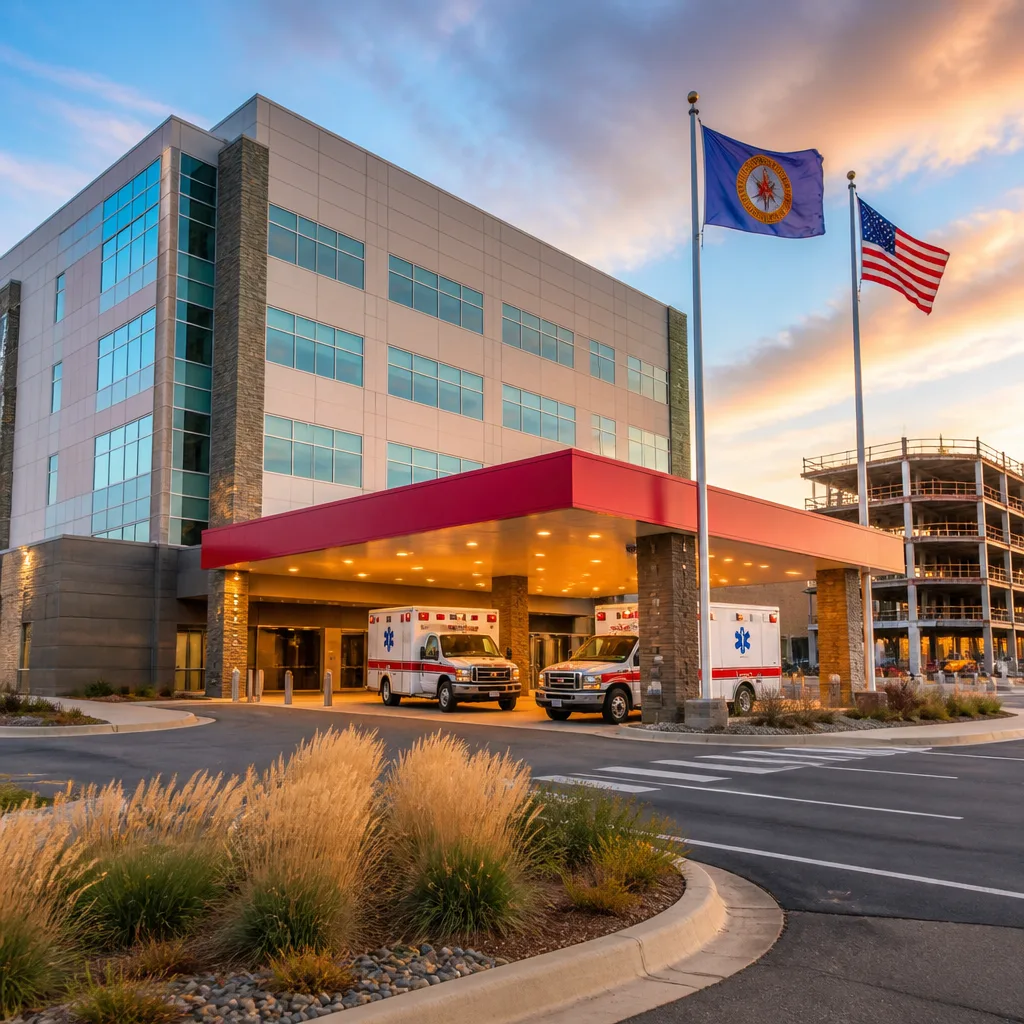
The Cherokee Nation has opened a new $470 million W.W. Hastings Hospital in Tahlequah, Oklahoma, describing it as the largest single investment in Cherokee health care to date and the centrepiece of its growing health campus. According to information released by the tribe, the six-storey facility spans 400,000 square feet and adds 127 patient beds, with expanded emergency and surgical services, advanced diagnostics and a neonatal intensive care unit.
Tribal officials present the hospital as a long-planned expansion to meet rising demand across the Cherokee Nation Reservation. They say the building equips physicians, nurses and other clinicians with tools for “world-class” care and is intended to serve a growing population for years to come.
Features and capacity
- Emergency and surgical care: Expanded capacity to manage urgent and complex cases, according to the Cherokee Nation.
- Advanced diagnostics: New imaging and testing capabilities intended to shorten time to diagnosis.
- Neonatal intensive care unit (NICU): Specialized care for newborns requiring intensive support.
- 127 beds across six storeys: Increased inpatient capacity within a 400,000-square-foot footprint.
| Measure | Value |
|---|---|
| Total investment | $470 million |
| Facility size | 400,000 sq. ft. |
| Patient beds | 127 |
| Employment supported by Cherokee Nation Health Services | ~11,500 jobs |
| Estimated annual economic activity | >$2 billion in northeast Oklahoma |
Part of a broader health system build-out
The Cherokee Nation says the new hospital caps two decades of investment to expand and modernize care across its reservation. Over that period, the tribe reports it:
- Transformed its network into the largest tribally operated health system in the United States.
- Expanded clinics across the reservation and strengthened behavioural health services.
- Launched physician residency programmes and prevention initiatives.
- Built partnerships intended to train the next generation of Cherokee health professionals.
According to the tribe, Cherokee Nation Health Services currently supports about 11,500 jobs and generates more than $2 billion in annual economic activity in northeast Oklahoma. While these figures describe economic impact rather than clinical outcomes, the Nation positions them as evidence that sustained health investment also drives regional development.
Repurposing the former hospital
The previous W.W. Hastings facility, located on the same campus, will be repurposed as the Nursing and Allied Health Education Center. The tribe says the centre will be anchored by a collaboration to expand training opportunities, part of a strategy to grow the local health workforce alongside clinical capacity.
Why it matters
For Indigenous communities and health planners internationally, the project highlights how an Indigenous government can leverage capital spending, education partnerships and service integration to expand access close to home. The Cherokee Nation frames the hospital as both a clinical asset and a long-term commitment to community wellness, emphasizing proximity of care and continuity within a tribally led system.
As with any major expansion, the longer-term test will be how new capacity translates into timely access, outcomes and workforce sustainability. The Cherokee Nation’s materials indicate the project is designed to meet population needs “for generations to come,” but detailed performance data were not provided in the information released.