The 2026 FIFA World Cup, hosted by the United States, Mexico and Canada, closed with a tournament that broadened the field, generated new storylines and revived old debates about ticket prices, governance and the balance between sport and spectacle.
What changed on and off the pitch
For the first time the tournament featured 48 teams, a format that increased the number of matches and produced some unexpected narratives: several smaller or debutant nations exceeded expectations, while the sheer volume of fixtures altered the tournament’s rhythm and broadcast economics.
FIFA president Gianni Infantino framed the event in sweeping terms, calling it the “biggest event in the history of mankind.” Critics and observers, however, weighed the sporting merits against the commercial mechanics that shaped the competition — from scheduled hydration pauses that created ad slots to the persistent concern over rising ticket costs.
"the biggest event in the history of mankind"
Debutants and surprises
Newcomers and smaller federations supplied some of the tournament’s most compelling stories, underlining the argument that expansion can democratize global football. Notable examples included teams that made their first appearances or achieved unexpected results.
- Cape Verde — a debutant that advanced from its group, securing draws against top nations.
- Curacao — recovered from heavy defeat to earn a point against Ecuador.
- DR Congo — claimed a draw with Portugal and progressed from the group stage.
| Team | Highlight |
|---|---|
| Cape Verde | Qualified from group; draws vs Spain and Uruguay |
| Curacao | Shock draw after heavy loss to Germany |
| DR Congo | Draw with Portugal and advanced |
Controversy, officiating and politics
The tournament was marked by disputes over officiating, law changes aimed at reducing time-wasting and several high-profile interventions. Politics threaded through the event before a ball was kicked — from visa and participation issues to high-level involvement in disciplinary matters. Those dynamics intensified scrutiny of FIFA and match officials.
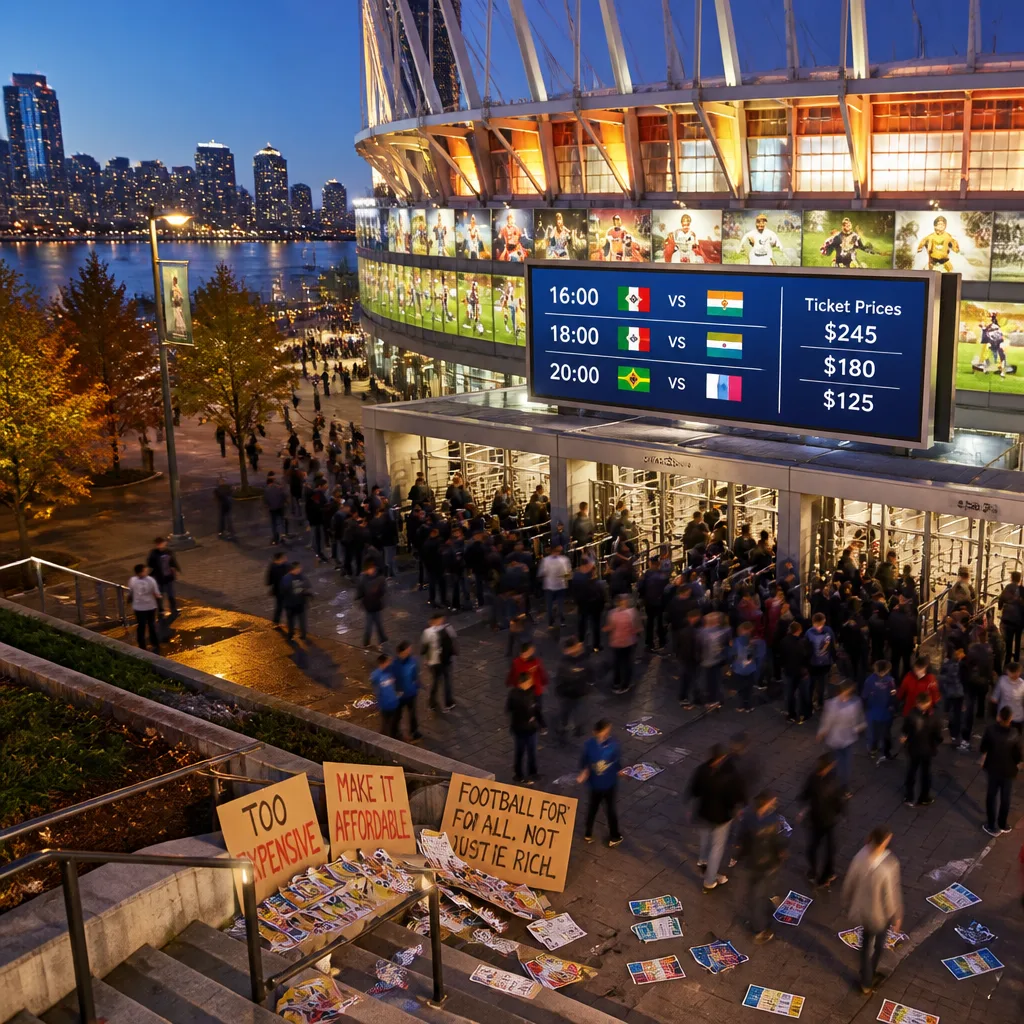
High ticket prices provoked debate about accessibility and whether fans were being priced out of the modern game. At the same time, the expanded format produced more broadcast inventory and commercial opportunities, illustrating a tension between growing the global reach of the World Cup and preserving the tournament’s competitive integrity and fan experience.
Why it matters to Canadian readers
As a co-host nation, Canada played a central role in the logistics and staging of this largest-ever World Cup. The success of smaller nations showcased football’s widening footprint, while the controversies highlight governance and affordability issues that will shape how Canada and other hosts approach future mega-sporting events. Policymakers, fans and rights holders will be watching how FIFA reconciles commercial imperatives with sporting and social goals ahead of the next cycles.