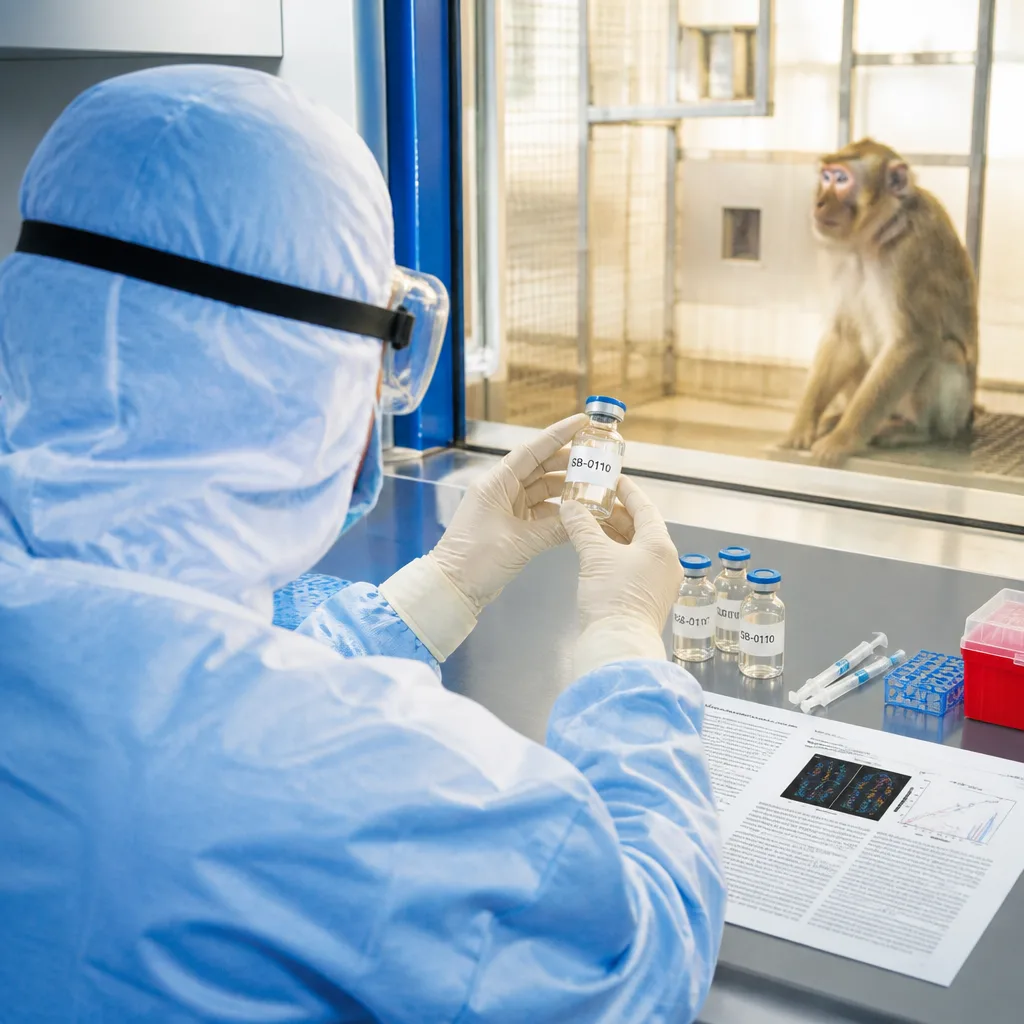
Sinopia Biosciences reported preclinical results showing that a novel small-molecule, SB‑0110, can increase the motor benefit of levodopa while reducing levodopa‑induced dyskinesia (LID) in animal models of Parkinson’s disease. The data, published in Science Translational Medicine, were generated in non-human primate studies described by the company as highly translatable and support advancing the candidate through late-stage toxicology toward anticipated first-in-human trials in 2027.
How the approach differs
The drug targets PKA‑II, a signalling protein downstream of dopamine receptors. According to Sinopia, selective positive modulation of PKA‑II enhanced levodopa's symptomatic effect while attenuating the abnormal involuntary movements—dyskinesias—that commonly develop with chronic levodopa therapy. Current adjunct therapies or surgical procedures can improve levodopa’s efficacy but often exacerbate dyskinesia; the company says SB‑0110 addresses both problems simultaneously in preclinical models.
- Therapeutic candidate: SB‑0110
- Target: PKA‑II (protein kinase A isoform II)
- Models used: Non-human primates (described as highly translatable)
- Publication: Science Translational Medicine
- Planned milestone: First-in-human studies anticipated in 2027
Company progress and context
Sinopia called the study both a scientific and strategic milestone. The company is advancing SB‑0110 through late-stage toxicology as the next step toward clinical testing. Levodopa remains the standard of care for Parkinson’s motor symptoms but commonly produces motor fluctuations and LID with long‑term use. The company notes that the only approved anti‑dyskinesia drug has limited applicability because of side effects, underscoring the unmet need for better adjunct treatments.
“This publication represents an important scientific and strategic milestone for Sinopia by validating our approach to treating one of the most challenging trade-offs for patients with Parkinson’s disease,” said Aarash Bordbar, Ph.D., CEO, CSO and co‑founder of Sinopia.
Implications and next steps
The published preclinical results suggest a potential route to improving outcomes for people who experience motor fluctuations and LID or who are initiating levodopa therapy. Key near‑term steps are completion of regulatory‑grade toxicology studies and initiation of first‑in‑human trials, which the company anticipates in 2027. Outcomes of those clinical studies will determine whether the animal model benefits translate to patients and whether the safety profile supports broader use.
| Item | Detail |
|---|---|
| Candidate | SB‑0110 |
| Mechanism | Positive modulation of PKA‑II |
| Evidence | Preclinical non‑human primate models; published in Science Translational Medicine |
| Regulatory path | Late‑stage toxicology ongoing; first‑in‑human studies anticipated in 2027 |
The work adds to a growing body of research seeking to refine dopamine‑based treatments so that motor control can be improved without trading off disabling side effects. While the results are promising, translation from animal models to patients has historically been challenging in Parkinson’s research; clinical trials will be required to confirm efficacy and safety in humans.