Randomised trial links salsa classes to mental-health benefits for young adults
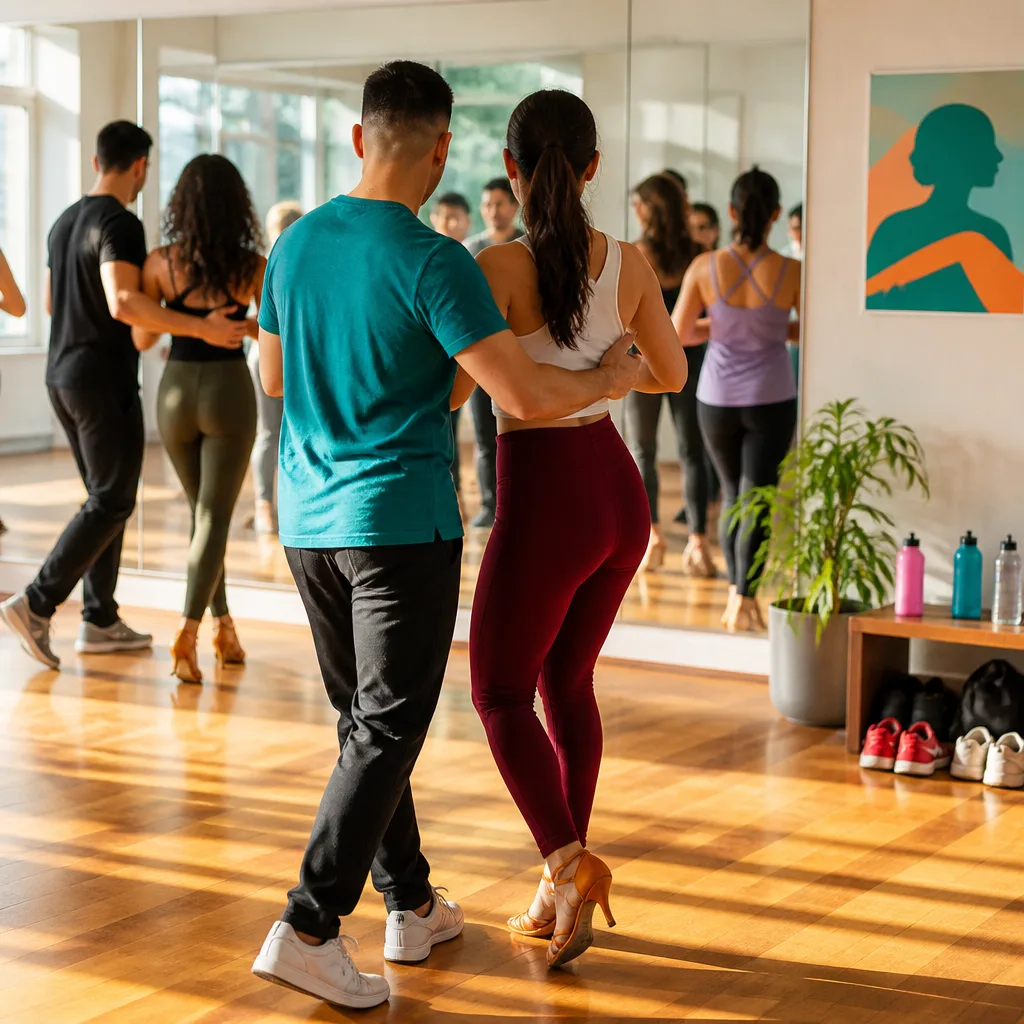
New research led by the University of Oxford and the Oxford Health NHS Trust reports that an eight-week salsa dance programme produced greater reductions in depressive symptoms and social anxiety than a control condition among young adults with mild to moderate symptoms. The study, published in Psychological Medicine, enrolled 121 participants aged 18 to 24 who were randomly assigned to either the salsa intervention or a control group.
The trial measured participants’ mental-health scores before, during and after the programme and found those who attended salsa classes experienced not only larger decreases in depressive symptoms and social anxiety but also bigger increases in day-to-day happiness compared with controls.
“These findings are noteworthy because, as salsa is physical, social, musical, structured, and often playful, it asks people to engage with others, but within a clear framework,” said lead author Brennan Delattre.
Why the intervention may help
Researchers say the combination of physical activity, predictable class structure, partner rotation and musical engagement may lower barriers to social contact for some individuals. The study authors caution, however, that the evidence does not yet support salsa as a standalone treatment for diagnosed depression.
- Population: 121 young adults, 18–24 years, with mild to moderate depression and anxiety.
- Intervention: eight-week salsa dance programme.
- Outcomes: greater reductions in depressive symptoms and social anxiety; increases in daily happiness.
Implications for clinical practice and social prescribing
While the authors stop short of recommending salsa as a replacement for established therapies, they suggest the activity could be considered as an accessible adjunctive offering—particularly for young people who are attracted to dance-based activities. They note general practitioners and social-prescribing services might include community dance classes as one of several wellbeing options.
The report also echoes broader evidence on social prescribing that has documented benefits from diverse, non-medical activities—such as martial arts, arts classes and nature groups—for adolescents on mental-health waiting lists.
Study limitations and next steps
Authors emphasise the need for further trials with active comparison groups to determine how salsa compares with other structured activities. They also stress that more evidence is required before formal clinical guidelines could endorse dance classes as a standard treatment for clinical depression.
| Feature | Details |
|---|---|
| Sample size | 121 participants |
| Age range | 18–24 years |
| Duration | 8 weeks |
| Primary outcomes | Depressive symptoms, social anxiety, daily happiness |
The study adds to a growing interest in how structured social and physical activities can support mental wellbeing. For clinicians and policymakers, the findings point to promising, low-risk options worth integrating into broader strategies for youth mental-health support—provided future research confirms and refines the results.