Province moves to close skills gap as aerospace hiring surges
Quebec is ramping up training in the aerospace sector, unveiling plans for a second aerospace engineering campus in the Montreal region and a suite of industry-based programs designed to place students closer to factory floors. The measures, outlined by Economy Minister Bernard Drainville north of Montreal, come amid mounting pressure to fill tens of thousands of roles as the industry accelerates.
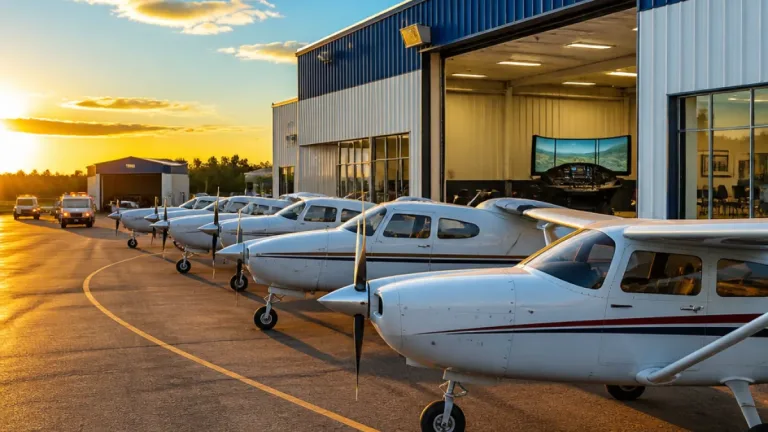
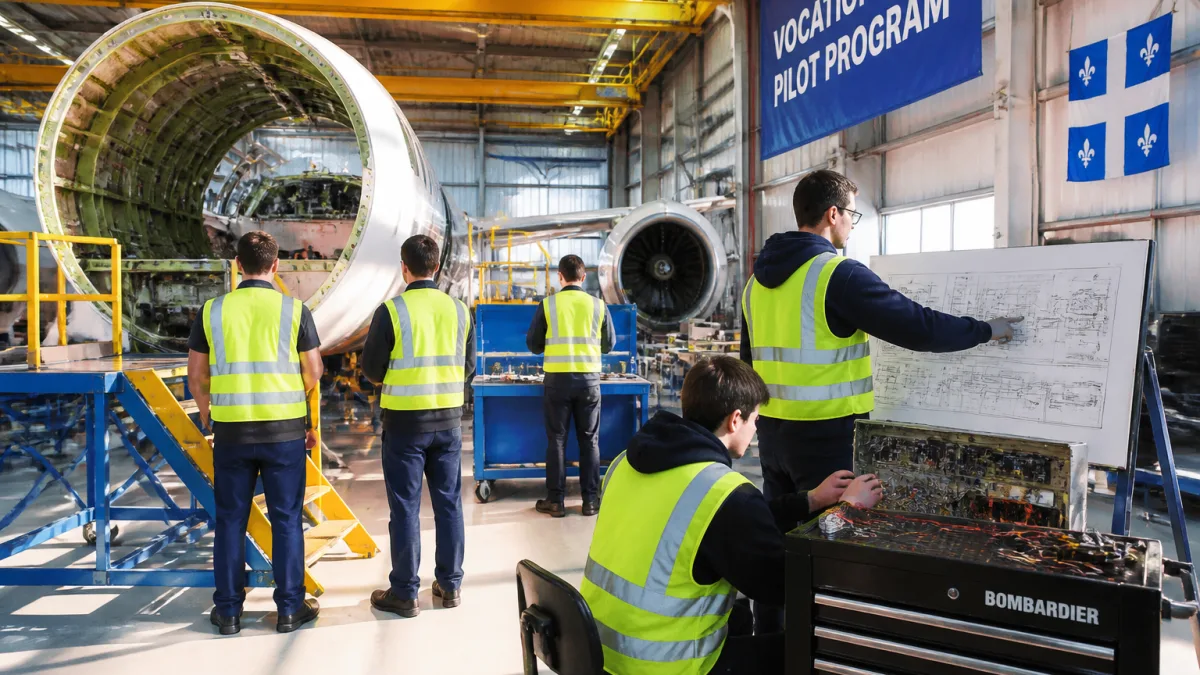
In a significant near-term change, a technical college in Longueuil will lift enrolment in its aircraft mechanics and avionics streams by 70% starting this year. The aerospace school’s executive director, Hélène Bailleu, said existing labs and hangar space are already full, underscoring the urgency to expand capacity. In parallel, the province will pilot new vocational pathways directly at Bombardier’s Montreal site and in Mirabel, steps meant to align classroom learning with the specialized equipment and procedures students will encounter on the job.
“The goal is simple. We want to bring training closer to businesses,” said Drainville. “As part of these pilot projects, our companies have committed to opening their doors, providing students with training spaces, equipment, materials, and, above all, their expertise and know-how.”
Officials described the on-site initiatives as pilot projects for now, with a target to make them permanent in fall 2027. By embedding instruction inside major facilities and near clusters of suppliers—particularly around Mirabel’s airport—the province is betting that hands-on learning will speed up credentialing and help employers retain graduates.
Industry signals urgent need for talent
Labour representatives and industry groups welcomed the shift. Éric Rancourt, Quebec representative for the International Association of Machinists and Aerospace Workers, characterized the move as a necessary response to the wave of hiring now under way, saying that training more people gives the sector the tools to meet its ambitions. Aéro Montréal, the industry cluster organization, will receive $830,000 from the province to promote aerospace careers and draw new entrants. President and CEO Mélanie Lussier called the sector’s growth “exceptional,” but warned that the workforce gap must be addressed for Quebec to keep its global standing.
Forecasts from the Quebec Aerospace Workforce Sector Committee illustrate the scale of the challenge. Over the next decade, the province’s aerospace employers are expected to need more than 65,000 workers, including 4,453 additional aircraft maintenance technicians—a role that requires extensive, specialized training and is central to safety and reliability.
What the plan changes for students and employers
- More seats now: The Longueuil technical college will admit substantially more students in mechanics and avionics as early as this year.
- Learning on the shop floor: Vocational pilots at Bombardier in Montreal and in Mirabel will place trainees alongside experienced teams, equipment and materials.
- Awareness push: New funding for Aéro Montréal aims to raise the profile of aerospace careers and widen the talent pipeline.
For prospective students, the immediate impact is greater access to in-demand programs and earlier exposure to real-world production environments. For employers, the integrated model offers a clearer line of sight to future hires and a way to tailor skills development to current technologies and processes—critical in a field where certification, tooling and digital systems evolve quickly.
By the numbers
| Measure | Figure |
|---|---|
| Projected aerospace hires (10 years) | 65,000+ |
| New aircraft maintenance technicians needed | 4,453 |
| Funding to Aéro Montréal | $830,000 |
| Longueuil mechanics/avionics capacity | +70% starting this year |
| Pilot programs become permanent | Fall 2027 (target) |
Why it matters for Quebec
Quebec remains one of the world’s key aerospace hubs, anchored by final assembly, maintenance, avionics and a broad supplier base clustered across the Montreal region and Mirabel. Tight labour markets have left companies competing for skilled trades and technologists, raising the risk of production delays and missed growth opportunities. By scaling up training and situating it inside plants and near airport ecosystems, the government is attempting to shorten the path from classroom to cockpit, hangar and test cell.
The approach also addresses long-standing capacity constraints in public training institutions. With facilities already at their limits, the combination of program expansion and industry-hosted instruction offers a pragmatic route to add seats without waiting years for major construction. If the pilots transition to permanent status in 2027 as planned, Quebec’s aerospace workforce pipeline could be on a more stable footing just as global demand for aircraft maintenance and new platforms continues to climb.
This report is based on information provided by The Canadian Press.