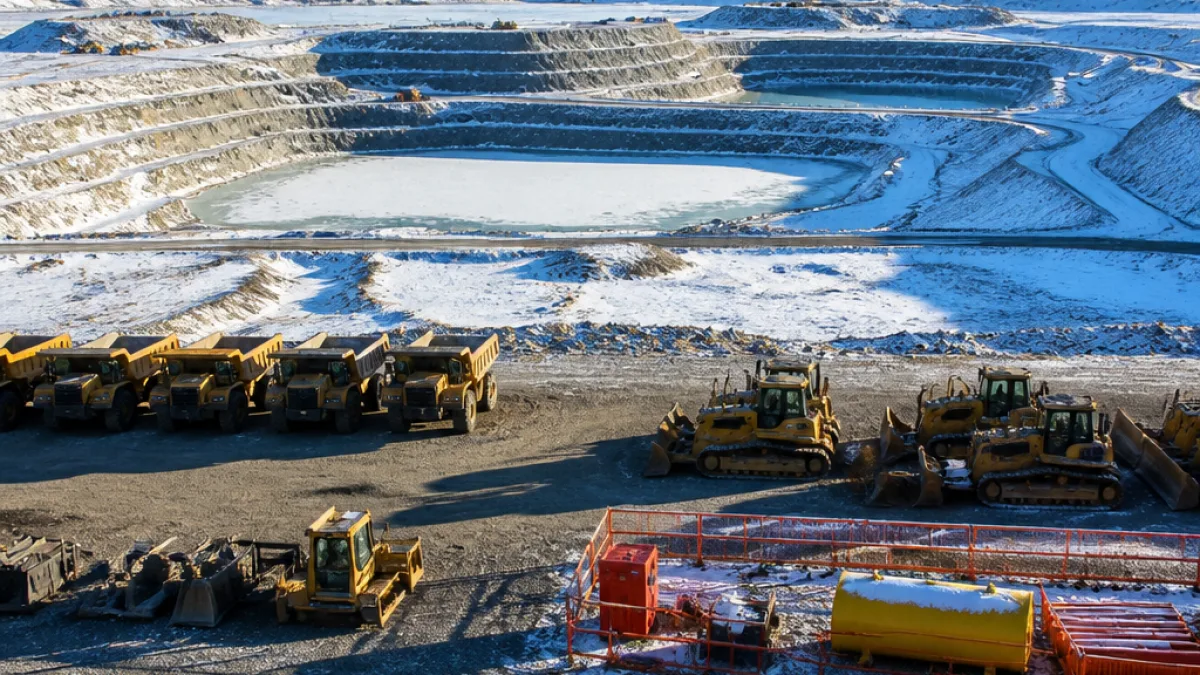
The Government of the Northwest Territories has told a court it sees no viable path forward for Arctic Canadian Diamond Company (also known as Burgundy), the owner of the Ekati mine, and is urging the urgent appointment of a receiver to oversee an orderly closure and environmental remediation.
Funding exhausted, monitor reports no buyers
Court filings reviewed this week say the interim funding available to Burgundy and related companies has been fully used and the debtor-in-possession lender, CEEFC, will not provide additional financing. PricewaterhouseCoopers (PwC) has been named to manage the closure process and to act as court-appointed monitor for the companies.
According to the monitor’s report, a court-appointed trustee contacted roughly 140 potentially interested parties about acquiring the mine but received no offers. In those circumstances, the NWT government concluded that appointing a receiver is necessary to carry out a systematic wind-down of Ekati’s operations and to ensure environmental protection and reclamation activities continue under independent oversight.
"We understand this news will raise questions and concerns for workers, families, Indigenous governments, northern and Indigenous businesses, contractors, and communities across the territory," said Jay Macdonald, minister of environment and climate change for the Northwest Territories.
Local impact and timeline
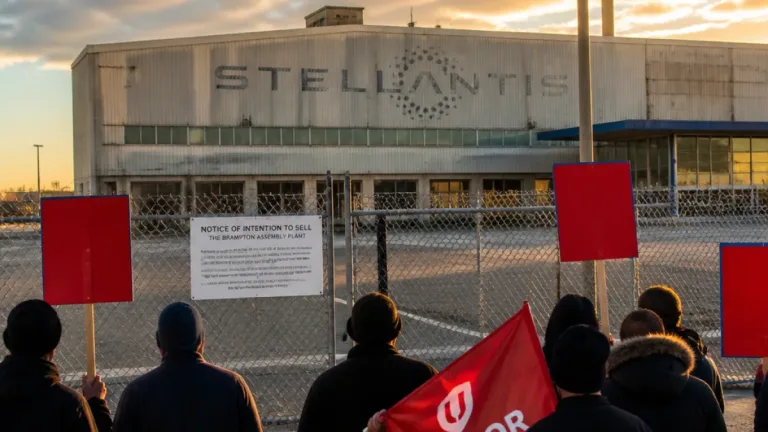
Ekati was the first diamond mine to open in the Northwest Territories, beginning operations in 1998. It had been scheduled to remain in production until 2031, but with Arctic Canadian Diamond Company under creditor protection since May and now unable to secure a buyer or additional financing, the future of on-site work and contracts is suddenly uncertain.
- Ekati: in operation since 1998; previously scheduled to close in 2031.
- Diavik: the other major NWT mine, which closed earlier this year.
- Gahcho Kué: the only other remaining major producer in the territory, scheduled to close in 2028.
The government statement and court materials do not set a precise timetable for workforce reductions or contract wind-downs; those details will be handled as PwC implements the court-ordered receiver role. The government says its immediate priorities are safety, stability and ensuring environmental obligations are met.
What communities and contractors need to know
Workers, contractors and affected communities should expect coordination through the receiver and the NWT government on next steps. Key concerns likely to arise include the continuity of environmental monitoring, reclamation work, outstanding contractor invoices and employment supports for affected workers. Indigenous governments with agreements tied to Ekati will also be engaged as the closure process proceeds.
| Mine | Status / Note |
|---|---|
| Ekati | Owner in creditor protection; receiver sought to wind down operations |
| Diavik | Closed earlier this year |
| Gahcho Kué | Operating; scheduled to close in 2028 |
The unfolding situation at Ekati marks a significant moment for the territory’s mining sector. For nearly three decades the mine supplied jobs and contracts across communities and Indigenous governments; now those relationships and local plans tied to Ekati’s operations face abrupt change. The NWT government says it will work to minimise disruption while ensuring environmental responsibilities are fulfilled under the oversight of the appointed receiver.