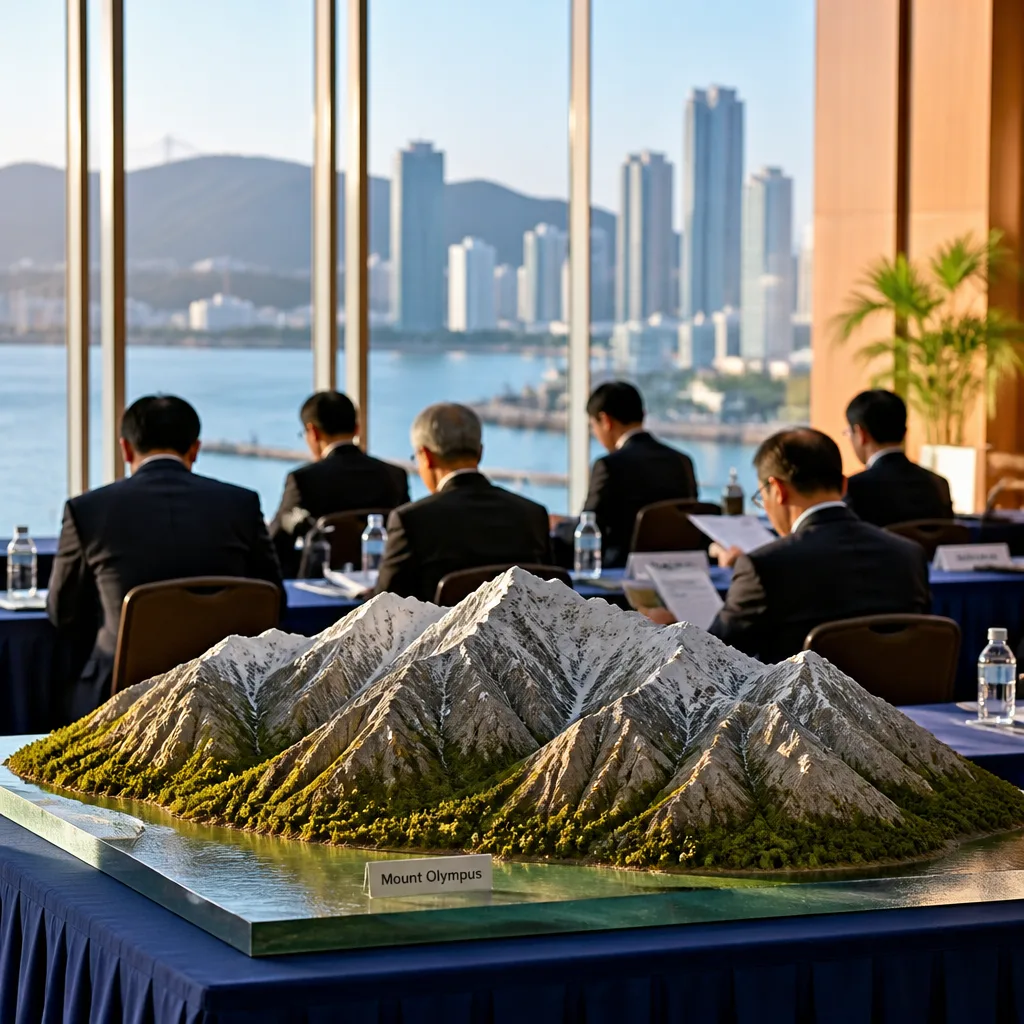
Greece is seeking UNESCO World Heritage status for Mount Olympus, its highest peak and a site long entwined with ancient Greek religion and natural landscapes. The nomination will be examined when the UNESCO World Heritage Committee meets in Busan, South Korea, from Sunday through July 29.
What’s at stake
The bid proposes Mount Olympus as a mixed cultural and natural site, recognising both its ecological values and its role in mythology and human history. If inscribed, the mountain would join a list of places considered to have "outstanding universal value," a designation that can bring heightened conservation attention and international visibility.
Greek officials and local communities have long emphasised the mountain’s dual character: rugged alpine ecosystems and a cultural landscape shaped by millennia of human use and belief. The nomination will be evaluated by the committee alongside other candidate sites during the Busan meeting.
Implications beyond Greece
For Canadian readers, the decision matters in several ways. UNESCO listings influence global tourism flows and conservation priorities; they affect how sites are managed, funded and promoted on the world stage. The committee’s deliberations also reflect broader tensions in heritage policy, such as how to balance visitor access with ecological protection and how to assess sites that are significant for both natural and cultural reasons.
- Timing: World Heritage Committee meeting in Busan runs from July 19 to July 29.
- Designation sought: Mount Olympus as a mixed cultural and natural World Heritage site.
- Potential effects: increased conservation scrutiny, international attention and potential growth in tourism.
| Event | Details |
|---|---|
| Site | Mount Olympus, Greece |
| Nomination type | Mixed cultural and natural |
| Committee meeting | Busan, South Korea — July 19–29 |
The World Heritage Committee’s decisions are closely watched by conservationists, local stakeholders and national governments. An inscription can unlock technical support and raise a site’s international profile, but it also brings new responsibilities for site management and reporting to UNESCO.
As the committee convenes in Busan, the Mount Olympus nomination will be one among many items on the agenda. Observers will be looking to see how the committee navigates competing claims of cultural significance and environmental protection — a balance that has become central to UNESCO’s evolving approach to World Heritage in the 21st century.
Whatever the outcome, the deliberations in Busan will shape how Mount Olympus is presented to the world and managed at home in the years ahead.