Scientists in Germany say they have demonstrated two experimental ways to destroy PFAS — the persistent industrial compounds often called “forever chemicals” — by driving extreme physical and chemical conditions directly into contaminated water. Early analyses indicate the methods can cleave the notoriously strong carbon–fluorine bonds at the heart of these molecules, a step toward technologies that could keep PFAS out of rivers, lakes and oceans.
In work led by the Helmholtz-Zentrum Dresden-Rossendorf (HZDR), teams are testing:
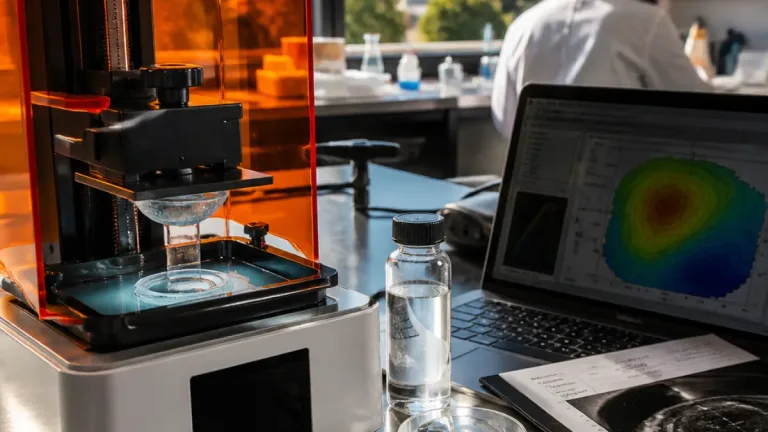
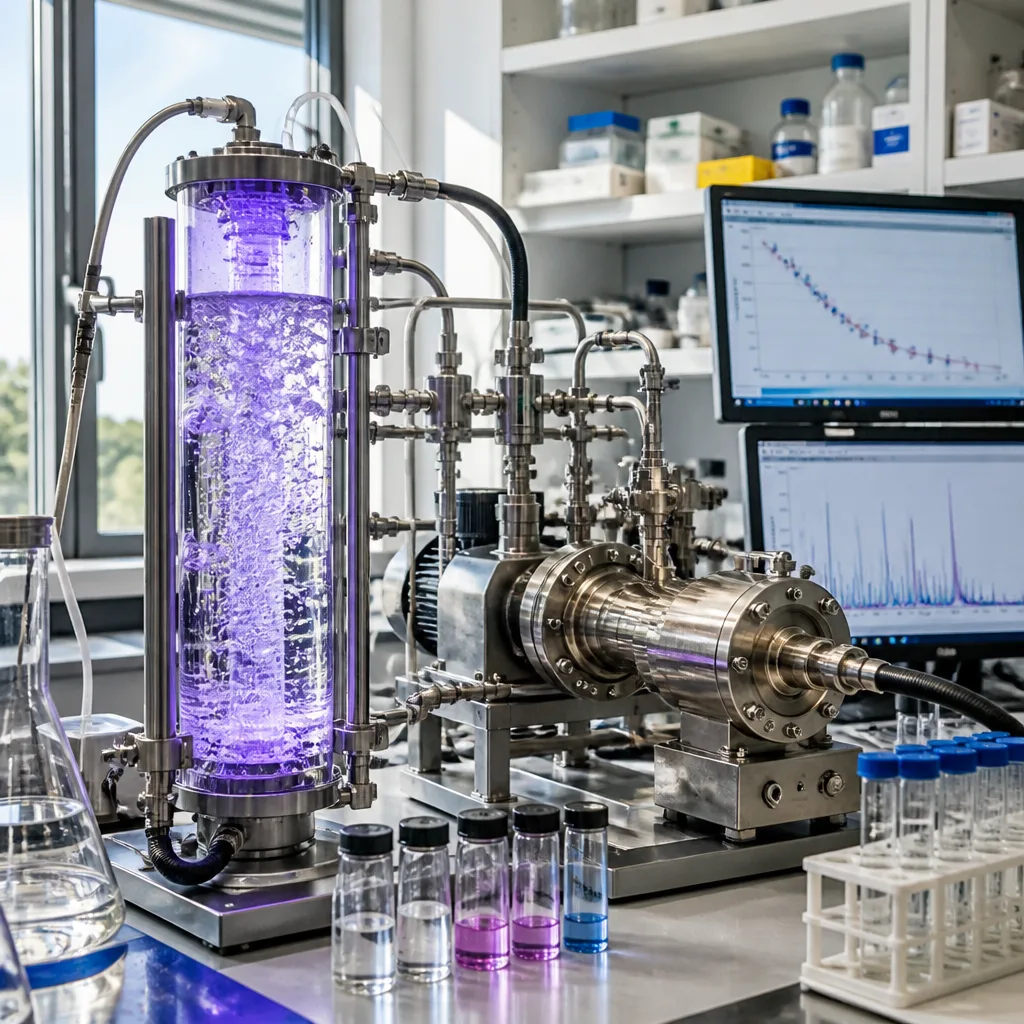
- Hydrodynamic cavitation, which forms and collapses microscopic vapour bubbles in flowing water; and
- Cold atmospheric plasma paired with gas dispersion, producing reactive species along rising bubbles.
Specialists at the Helmholtz Centre for Environmental Research (UFZ) verified that treated water showed evidence of PFAS breakdown and the release of fluoride, a telltale sign that carbon–fluorine bonds had been split. While the approaches remain pre-commercial, the researchers say they could eventually help industries treat PFAS-laden wastewater at the source, rather than shifting the contamination from one medium to another.
Breaking chemistry’s toughest bond
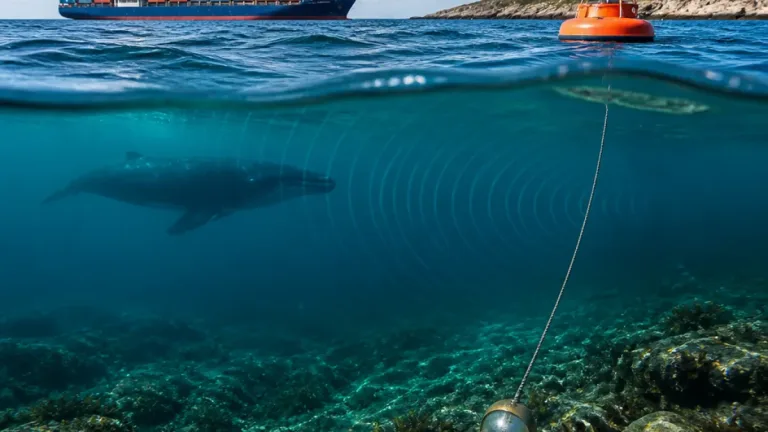
More than 10,000 short- and long-chain compounds fall under the PFAS umbrella. Their chemical resilience arises from carbon–fluorine bonds, among the strongest in organic chemistry, which resist both natural degradation and conventional treatment. Some PFAS have been suspected of damaging genetic material and increasing cancer risk, although the biological effects of many individual compounds remain uncertain. The chemicals can reach aquatic environments via wastewater, and researchers report they have now spread worldwide. Recently, high PFAS concentrations were detected in Germany’s Elbe River, raising potential risks for ecosystems and people.
As part of Germany’s National Water Strategy to protect water resources and secure drinking supplies, HZDR has focused on methods that do more than capture PFAS — aiming instead to irreversibly degrade them. A preliminary study launched in 2022, led by postdoctoral researcher Dr. Ysabel Huaccallo-Aguilar, evaluated whether hydrodynamic cavitation could break down PFAS in water by exploiting the violent conditions created during bubble collapse.
“In hydrodynamic cavitation, we pass PFAS-enriched water through a constriction, generating small vapor bubbles,” explains Dr. Sebastia
When these bubbles implode, they generate fleeting hotspots of very high temperature and pressure, along with reactive radicals that can attack PFAS molecules. The second technique — cold atmospheric plasma with gas dispersion — drives ionized gases and reactive species through rising bubbles, increasing contact with dissolved contaminants. According to UFZ’s analyses, both methods produced chemical signatures consistent with PFAS degradation, including fluoride release during treatment.
From proof-of-concept to practice
Neither technology is yet ready for commercial deployment, but their intended application is clear: retrofit or integrate into industrial wastewater treatment to prevent PFAS from entering waterways. That aim reflects a shift in strategy from simply removing or concentrating PFAS (and creating a disposal challenge) to a destructive pathway that permanently reduces the total PFAS load.
| Approach | Mechanism | Status | Verified outcome |
|---|---|---|---|
| Hydrodynamic cavitation | Bubble collapse creates extreme local heat/pressure and radicals | Lab-scale testing | PFAS degraded; fluoride released |
| Cold plasma + gas dispersion | Reactive plasma species carried by rising bubbles | Lab-scale testing | PFAS degraded; fluoride released |
The promise — and the challenge — is translating high-energy, small-scale effects into efficient, reliable systems that can manage variable water chemistries and flow rates. Researchers will need to quantify energy demands, characterize any by-products, and demonstrate consistent mass balance for fluorine to confirm complete mineralization rather than partial transformation. The independent confirmation of fluoride generation is an important indicator that carbon–fluorine bonds are being cleaved, but practical deployment will require engineering around throughput, maintenance, and safety.
Why it matters
PFAS contamination is difficult to reverse once it spreads through watersheds. Approaches that destroy PFAS where they are generated could reduce downstream burdens on utilities and ecosystems. HZDR’s work fits a broader push to keep these persistent molecules out of the environment, addressing the concern that conventional practices can simply relocate the problem. While questions remain about scalability and cost, the reported results suggest a path forward that targets the root chemical stability of PFAS — moving beyond capture toward elimination.