Nearly 50,000 species are currently considered at risk of extinction by the International Union for Conservation of Nature, and conservationists are debating how best to use limited resources to protect biodiversity. One strategy gaining attention is the focus on "umbrella species," animals whose needs encompass the habitats of many other organisms.
Why the umbrella idea matters
Advocates argue that protecting species with large habitat requirements can deliver broader conservation benefits. These animals typically need extensive space to feed and reproduce; preserving that space can incidentally safeguard countless co‑occurring species and ecosystems. The approach has been invoked for both terrestrial and marine environments.
"saving one species to save them all"
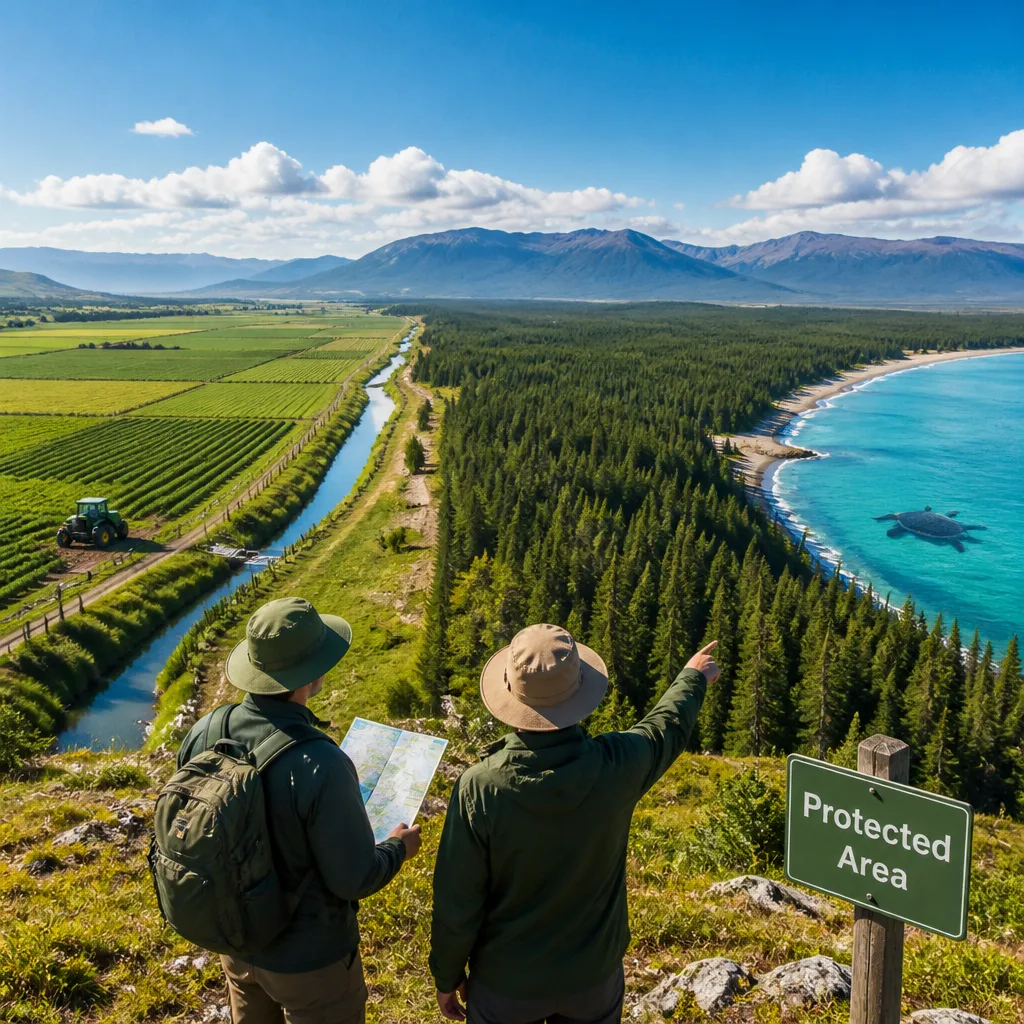
The concept is illustrated by several well‑known examples. The giant panda’s protected areas overlap substantially with other China‑endemic species; research cited by the source suggests about 96 per cent of panda habitat coincides with species unique to China. In Asia, the Bengal tiger has been used as a focal point for keeping tropical forest landscapes intact. Sea turtles serve a similar anchoring role in seascapes, using beaches, the seafloor and open ocean during their life cycles.
Context: a planet under strain
Conservation urgency is driven by a suite of human pressures. The World Wide Fund for Nature notes that roughly 40 per cent of the planet’s land is dedicated to food production, and agriculture consumes about 70 per cent of freshwater withdrawn for human use. Those competing demands, together with habitat destruction, pollution and climate change, are cited as the reasons modern extinction rates are many times higher than background levels.
- Umbrella species typically require large, contiguous habitats.
- Protecting their ranges can provide incidental protection for many other species.
- Examples span ecosystems: pandas and tigers on land; sea turtles in marine systems.
The umbrella approach is not presented as a universal solution. Rather, it is offered as one pragmatic method to maximise the conservation return on limited funding and personnel. Because it directs effort toward widely overlapping habitats, the strategy can be efficient — but its success depends on careful selection of target species and on whether those species’ needs truly encompass the conservation priorities for a given region.
| Metric | Reported value |
|---|---|
| Species at risk (IUCN) | Nearly 50,000 |
| Land used for food production | 40% |
| Agriculture’s freshwater use | 70% |
For policymakers and conservation planners, the umbrella species concept offers a potentially powerful tool to extend protection across many species when resources are constrained. Its effective application will require rigorous ecological assessment to confirm that protecting the focal species actually preserves the intended suite of habitats and organisms.