Copper Mountain has launched a 10-year carbon sequestration study that seeks methods to increase native plant diversity on ski runs, researchers said during the resort’s Ski Conservation Summit on July 15.
From master's thesis to industry project
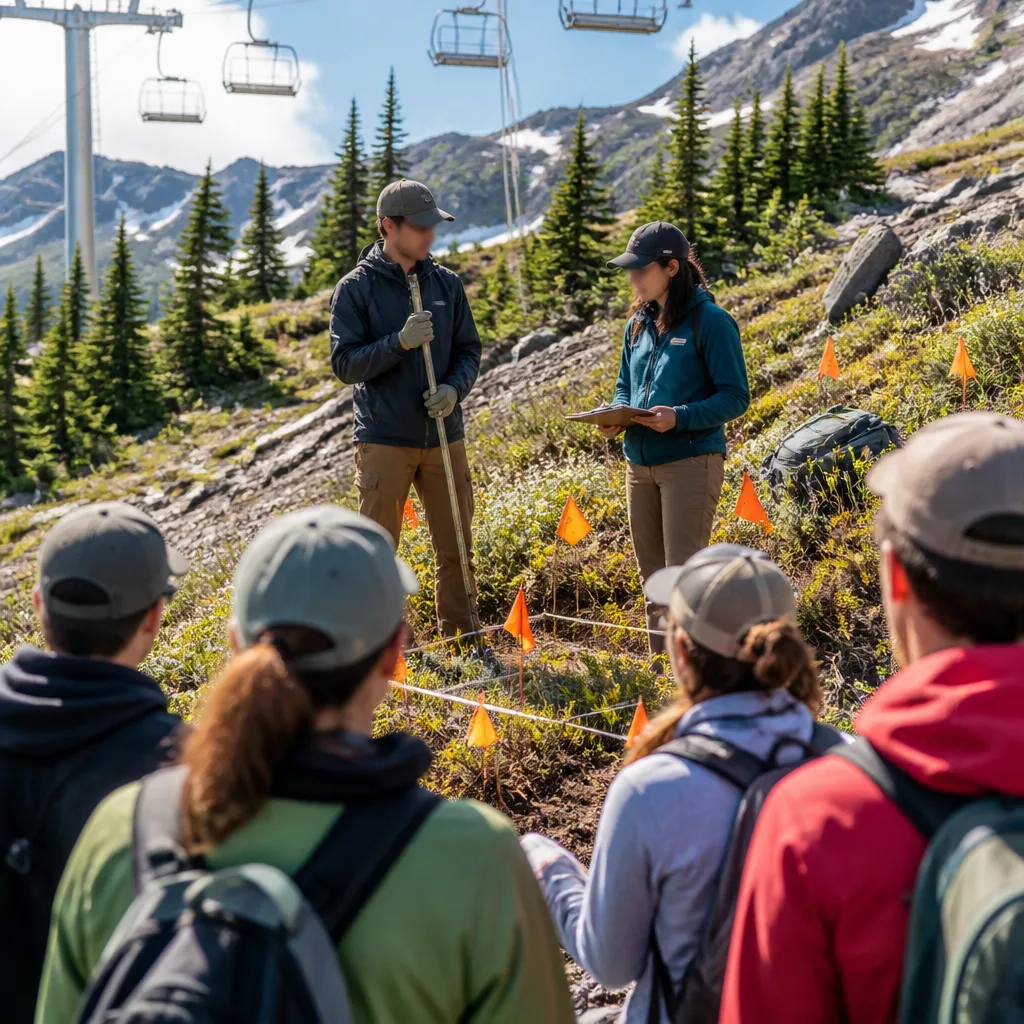
The initiative grew in part from graduate research at Western Colorado University. Katherine Riesberg, a university master's student and local skier, carried out fieldwork as part of her ecology thesis on the resort’s slopes. She described the project as an ideal match for her interests in outdoor recreation and plant conservation.
“I was absolutely jazzed when I first heard about this project,” Riesberg told a crowd gathered on the steep, rock slope of the Bittersweet Trail.
The summit drew roughly 90 participants, including university researchers, U.S. Forest Service land managers, representatives from conservation nonprofits and professionals from across the ski industry. Attendees included operators from Colorado resorts and executives from major companies.
Why soil carbon matters
Presenters at the summit highlighted how last winter’s record-low snowpack and drought sharpened concerns about slope conditions. Western Colorado University ecologist and graduate adviser Jennie DeMarco displayed a core sample from the study plots that was so dry it fell apart when handled, underscoring how changing moisture regimes are affecting mountain soils.
“This is one of my favorite studies because it is a great example of what we need right now when we’re thinking about conservation and climate action — and that’s collective action,” DeMarco said.
DeMarco framed the research as a model for cooperative work across institutions, involving academia, federal agencies, nonprofits and private operators to find practical ways to manage land as climates shift.
Broad participation
Representatives at the summit included Colorado resorts and major ski companies that can influence management practices beyond Copper Mountain. Organizers noted the value of shared knowledge as resorts adapt to decreased snowpacks and longer dry periods.
- Local and regional ski resorts represented included Eldora Mountain, Arapahoe Basin, Steamboat Resort, Winter Park and Sunlight Mountain.
- Major companies present included Vail Resorts, Alterra Mountain Co. and POWDR.
- Participants came from universities, federal land managers and conservation nonprofits.
| Participant type | Examples |
|---|---|
| Colorado resorts | Eldora, Arapahoe Basin, Steamboat, Winter Park, Sunlight |
| Major operators | Vail Resorts, Alterra Mountain Co., POWDR |
The research itself aims to quantify how changes in vegetation cover and species composition influence soil carbon storage on trails that are regularly disturbed by grooming and summer maintenance. While the project began in 2022, organisers cast it as a long-term experiment to develop replicable strategies for enhancing native biodiversity on managed ski terrain.
For managers facing lower snowfall and more frequent drought, the study offers a way to test whether restoring native plant communities can both improve ecological resilience and contribute to carbon storage in mountain soils. Those outcomes could inform how resorts and land managers balance recreation, wildfire risk and conservation on federal and private lands.
As the study proceeds, its organisers emphasise the importance of sharing results across the industry and with public land stewards to scale practices that prove effective under changing climate conditions.
What’s next: Researchers will continue monitoring test plots over the coming years, comparing vegetation treatments and soil carbon measurements to determine which approaches offer the best conservation and climate benefits on ski slopes.