Ancient, sealed water recovered from deep Canadian mine
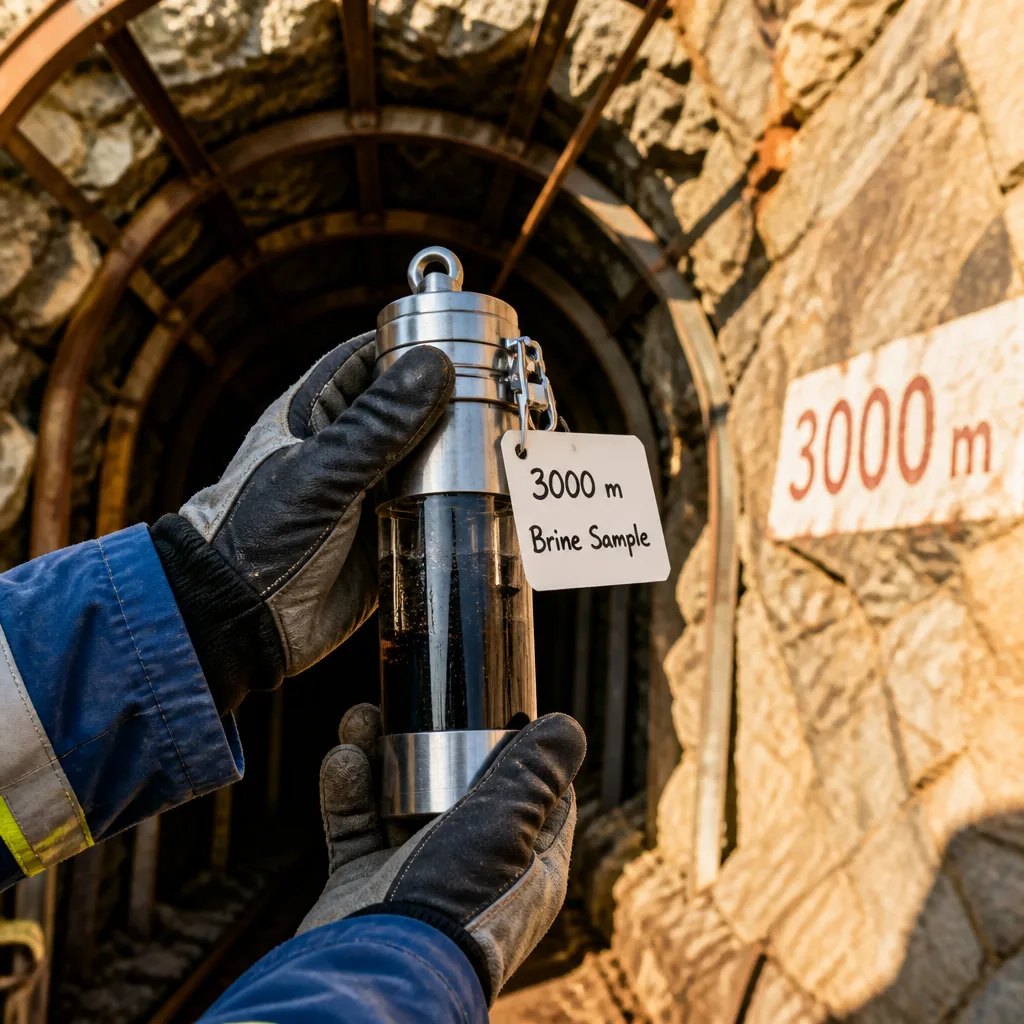
Scientists have recovered a pocket of water nearly three kilometres below surface at Ontario’s Kidd Creek mine in Timmins that has been isolated inside rock for about two billion years. The fluid is dense and saline, contains gases accumulated over geologic time, and supports a microbial community that has existed without sunlight or surface inputs for the duration of its isolation.
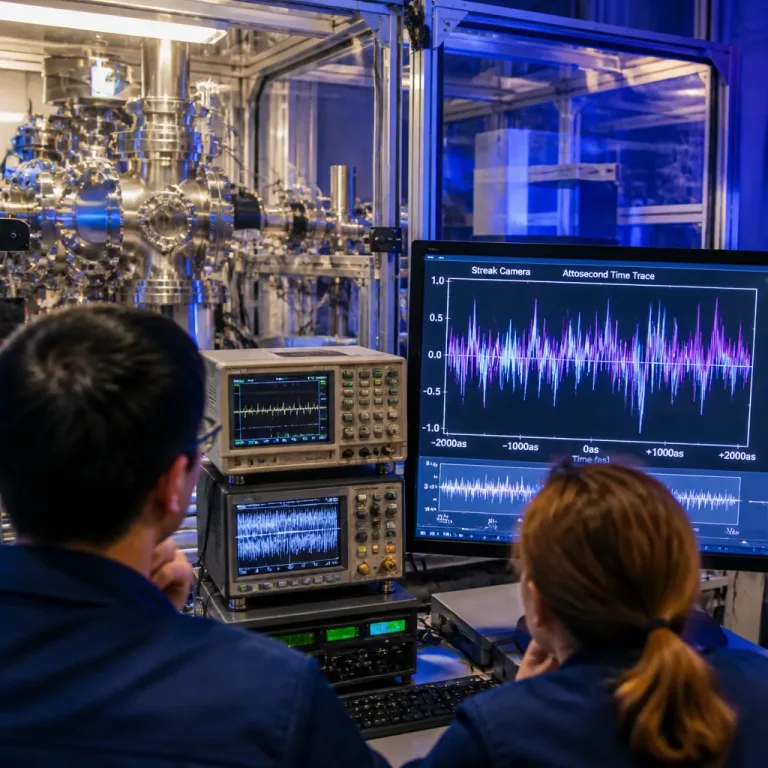
The work was led by University of Toronto geologist Barbara Sherwood Lollar. Her team constrained the age of the fluid by measuring noble gases — notably helium, neon, argon and xenon — that build up in trapped water as surrounding rock undergoes radioactive decay. The quantity and isotopic composition of those noble gases provide a clock that placed the water’s isolation somewhere between about 1.5 and 2.6 billion years, with the most publicised estimate near two billion years.
How the age was determined and what it means
Dating water is not the same as dating organic remains. Instead of carbon-based clocks, researchers read the accumulation of noble gases produced by decay in the host rock. Longer entrapment yields larger inventories of these inert gases, allowing scientists to estimate how long a sample has been sealed from the surface.
| Depth | Reported age |
|---|---|
| 2.4 km (previous sample) | ~1.5 billion years |
| ~3.0 km (new sample) | ~1.5–2.6 billion years (commonly cited ≈2.0 Ga) |
Biology in isolation and astrobiology implications
Significantly, the pocket is not sterile. Microbial life persists in the briny water, deriving energy from chemical processes rather than sunlight. That finding confirms that long-term, self‑sustaining ecosystems can exist in the deep subsurface under markedly different conditions from the surface biosphere.
- Sustained ecosystem: microbes surviving for geologic time without photosynthesis.
- Planetary context: chemistry and energetics inform searches for life on Mars and icy moons.
- Methodology: noble gas geochronology is a key tool for dating ancient fluids.
The discovery has direct relevance for astrobiology. If life can persist independently in a closed, deep subsurface environment on Earth, similar habitats on Mars or beneath the ice shells of moons such as Europa and Enceladus become more plausible targets for life‑detection missions. The chemical makeup of the Kidd Creek fluid helps constrain what metabolic pathways could sustain such communities and what signatures might indicate their presence.
Context within Canadian and global research
Kidd Creek is one of the deepest base‑metal mines in the world, and previous samples from around 2.4 kilometres depth yielded water aged roughly 1.5 billion years. Drilling deeper produced the older fluid; results were first presented publicly at the American Geophysical Union meeting in 2016 and subsequently drew international attention.
Beyond the headline age, the find underscores the value of deep mine access for fundamental science. Such subsurface sampling provides rare windows into ancient fluids and the communities they harbour — data that cannot be obtained from surface observations alone. It also reinforces the need for careful sampling protocols: trapped fluids can be contaminated by drilling, and noble gas measurements require high‑integrity samples to read the geological clock correctly.
The Kidd Creek fluids form a compelling natural laboratory. Their combination of extreme age, isolation, brine chemistry and resident microbes offers a constrained case study for how life can persist in the absence of sunlight and how geochemical energy sources can sustain ecosystems over billion‑year timescales. Those lessons will shape where and how scientists look for life beyond Earth, while also advancing understanding of Earth’s deep biosphere.